

A Deep Dive into the 1977-1981 Pontiac Firebird Automatic Transmission Mount
Keep your classic Firebird's drivetrain secure and learn to spot the signs of a failing transmission mount.
- A clunking noise on acceleration is the most common sign of a failed transmission mount.
- Replacement is a simple, DIY-friendly job that can be done in about an hour with basic tools.
- Choose a standard rubber mount for a stock ride or a polyurethane mount for high-performance use, but expect more vibration with polyurethane.
- There are no specific recalls or TSBs from NHTSA for this part on the 1977-1981 Firebird.
Understanding Your Firebird's Transmission Mount
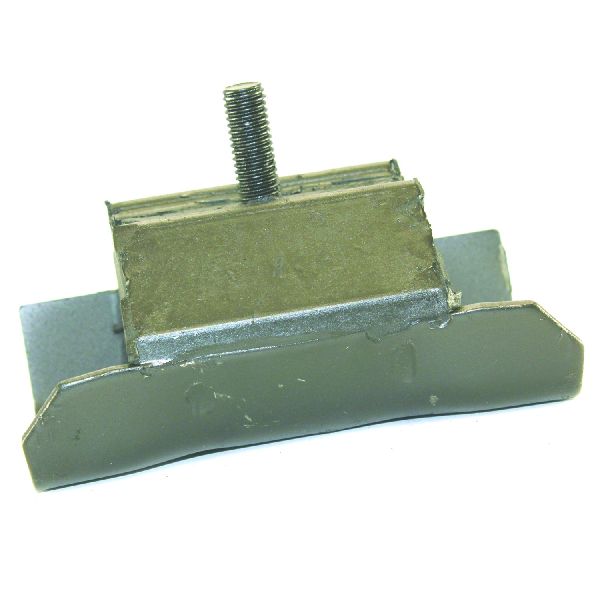
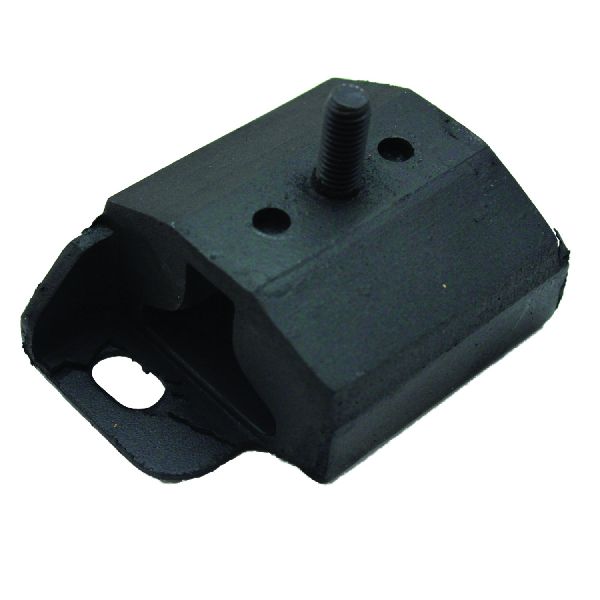
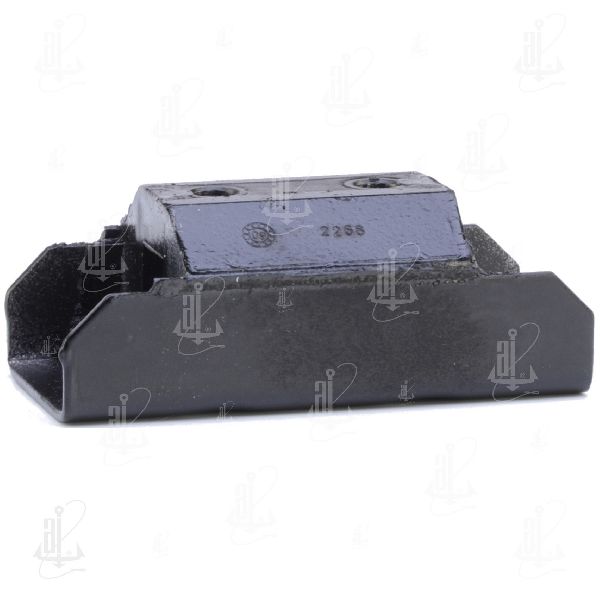
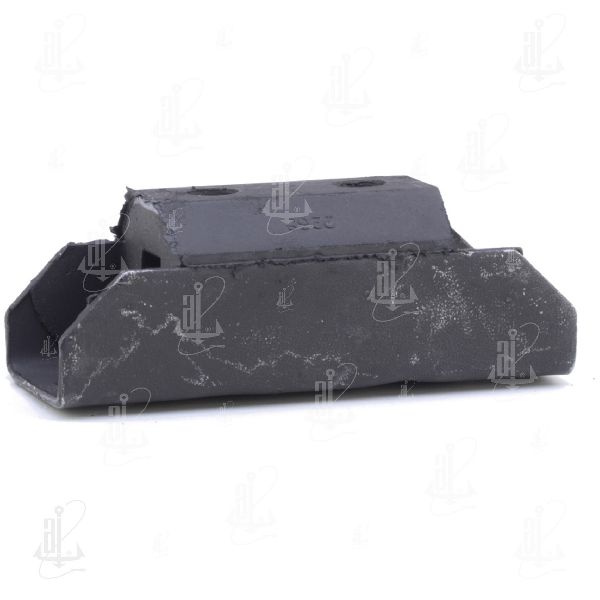
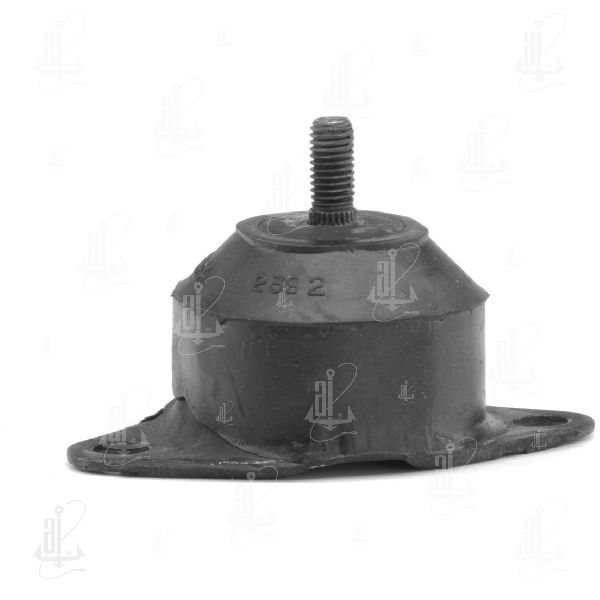
The automatic transmission mount is the only part connecting your transmission to the car's frame. For second-generation Firebirds like yours, this is typically a simple, single-stud mount that bolts to the transmission crossmember. Its job is to hold the heavy transmission in place while also dampening the vibrations that the engine and transmission naturally create. Over decades, the original rubber can dry rot, get soaked with oil and other fluids, or simply tear from the stress of holding the drivetrain in place. When it fails, you'll start to notice some distinct problems.
Symptoms of a Failing Transmission Mount
A bad transmission mount will make its presence known. Here are the most common signs that yours needs to be replaced:
- Clunking or Thumping Noises: The most common symptom is a loud "clunk" or "thump" when you accelerate, brake hard, or shift from park into drive or reverse. This is the sound of the transmission lifting and hitting the bottom of the car's floor pan.
- Excessive Vibrations: If you feel new or worsening vibrations through the floor, seat, or steering wheel, it could be a sign that the mount's rubber is no longer absorbing drivetrain vibrations. This can be most noticeable under load, like when accelerating onto a highway.
- Visible Movement: A mechanic can often spot a bad mount by having someone lightly press the accelerator with the brake on while the car is in gear. You may see the entire engine and transmission assembly move or lift excessively. You can also inspect the mount from under the car; if the rubber is cracked, separated from the metal, or looks collapsed, it's time for a replacement.
Is It Safe to Drive with a Bad Transmission Mount?
While your transmission is unlikely to fall out, driving with a completely failed mount is not recommended. The excessive movement can put stress on engine mounts, driveshaft U-joints, exhaust pipes, and even transmission fluid lines, leading to more expensive repairs down the road. It's best to address the issue as soon as you notice symptoms.
Choosing the Right Aftermarket Mount
For a vehicle from this era, new OEM (Original Equipment Manufacturer) parts are generally not available. Aftermarket parts are your primary option, and they fall into two main categories: standard rubber and performance polyurethane.
Standard Replacement (Good)
Brands: Anchor, DEA, Pioneer Cable
These brands produce standard replacement mounts made from rubber, similar to the original factory part. They offer a stock-like feel, effectively absorbing vibrations for a comfortable ride. Forum discussions show mixed opinions on budget brands like Anchor and DEA, with some users reporting premature failure or fitment issues, while others have used them without problems. Pioneer is sometimes mentioned as being closer to OEM quality. For a stock Firebird that is driven normally, a standard rubber mount is an affordable and appropriate choice.
Performance Upgrade (Better)
Brands: Prothane, Daystar, Lakewood
These brands offer mounts made from polyurethane, a much stiffer and more durable material than rubber. A polyurethane mount will significantly reduce drivetrain movement, which is ideal for performance applications with more powerful engines. Lakewood mounts often include a safety interlock feature that prevents separation even if the polyurethane fails. The main trade-off is that you will feel more vibration and noise inside the car. For a street/strip car or one with a modified engine, a polyurethane mount is a worthwhile upgrade for its durability and performance benefits.
Pro Tip: If you're replacing a failed mount, it's a good idea to inspect your engine mounts as well. Failed engine mounts can put extra stress on the transmission mount, causing it to fail prematurely.
Cost to Replace a 1977-1981 Firebird Transmission Mount
This is one of the more affordable repairs you can make. The parts are inexpensive, and the labor is straightforward.
| Item | Estimated Cost |
|---|---|
| New Aftermarket Mount (Rubber) | $11 - $20 |
| New Aftermarket Mount (Polyurethane) | $25 - $35 |
| Shop Labor | $75 - $150 |
| Total Estimated Cost | $86 - $185 |
Frequently Asked Questions
Can I replace the transmission mount myself?
Yes, this is a very DIY-friendly job for someone with basic tools. The process involves supporting the transmission with a jack and a block of wood, unbolting the old mount from the crossmember and transmission, and bolting the new one in place. It can typically be done in under an hour.
Should I choose a rubber or polyurethane mount?
For a stock or daily-driven car, a standard rubber mount provides the best balance of comfort and durability. If your Firebird has a high-performance engine or you use it for racing, a polyurethane mount is a better choice for its strength and ability to control torque, but expect more cabin vibration.
Are there any recalls for the transmission mount on this Firebird?
No, searches of the National Highway Traffic Safety Administration (NHTSA) database did not find any recalls or technical service bulletins (TSBs) related to the transmission mount for the 1977-1981 Pontiac Firebird.
Will a bad transmission mount cause shifting problems?
In severe cases, yes. If the transmission is allowed to move too much, it can affect the alignment of the shift linkage, potentially causing difficulty in shifting or feeling like the transmission is out of position.
Technical Specifications
OEM Part Numbers: 527847 356515 356513 356514
The mount for this application is typically a single-stud design that bolts to the transmission tailshaft housing with two bolts and to the crossmember with one nut. The primary materials are steel and either rubber or polyurethane.
We Have This Part in Stock


The information in this article is provided for general reference and educational purposes only. Vehicle specifications, procedures, and part compatibility can vary by production date, trim level, and region. Always consult your vehicle's factory service manual and verify part numbers before purchasing or performing repairs. Safety-critical components such as airbags, seat belts, and braking systems should be installed by a qualified professional.
- 🛍️ Shop This Part
- Understanding Your Firebird's Transmission Mount
- Symptoms of a Failing Transmission Mount
- Is It Safe to Drive with a Bad Transmission Mount?
- Choosing the Right Aftermarket Mount
- Standard Replacement (Good)
- Performance Upgrade (Better)
- Cost to Replace a 1977-1981 Firebird Transmission Mount
- Frequently Asked Questions
- 🎟️ Get 5% Off