

A/C Compressor Replacement Guide for the 1977-1982 Buick Riviera
Get your classic Riviera's air conditioning blowing cold again by choosing the right new compressor.
- A failing compressor can contaminate the entire A/C system. Always buy a kit and replace the compressor, accumulator, and orifice tube together.
- ACDelco is a top-tier aftermarket choice for reliability, while Four Seasons and Global Parts are more budget-friendly options.
- No specific recalls or TSBs are active for this part on your Riviera; failures are due to age and wear.
- Properly flushing the system of old oil and debris is critical to the lifespan of the new compressor.
Symptoms of a Failing A/C Compressor
When the A/C compressor in your Riviera starts to fail, it will usually give you a few warning signs. Ignoring them can lead to more damage in the A/C system. Here’s what to look and listen for:
- No Cold Air: The most obvious symptom is when your A/C blows air that's warm or not as cold as it used to be. This can happen when the compressor isn't pressurizing the refrigerant correctly.
- Loud Noises: A grinding, squealing, or rattling sound when you turn the A/C on is a bad sign. This often points to failing internal bearings or a problem with the compressor's clutch.
- Clutch Problems: The compressor's clutch is supposed to engage when you turn on the A/C. You should hear a 'click'. If the clutch doesn't move, is stuck, or cycles on and off too frequently, the compressor won't work properly.
- Visible Leaks: The compressor has seals that can leak refrigerant oil. You might see a greasy, dirty film on the compressor body. A significant leak will cause a loss of cooling performance.
System Contamination is a Big Deal
If your old compressor failed internally, it likely sent tiny metal shavings throughout the entire A/C system. Just replacing the compressor isn't enough. You MUST flush the system and replace the accumulator and orifice tube to prevent the new compressor from failing immediately. This is why most parts are sold as kits.
Choosing the Right Aftermarket Compressor
For a classic car like the 1977-1982 Riviera, you won't find new OEM parts on a shelf. Aftermarket parts are your main option. They generally fall into a few quality tiers.
Tier 1: Premium Aftermarket (ACDelco)
ACDelco is GM's own parts brand. While a new ACDelco part today isn't identical to what was installed in 1979, it's designed to meet original equipment standards. They have a strong reputation for reliability and proper fit. If you want the closest thing to original quality and peace of mind, ACDelco is a top choice. Many ACDelco units for this era are remanufactured.
Tier 2: Standard Aftermarket (Four Seasons)
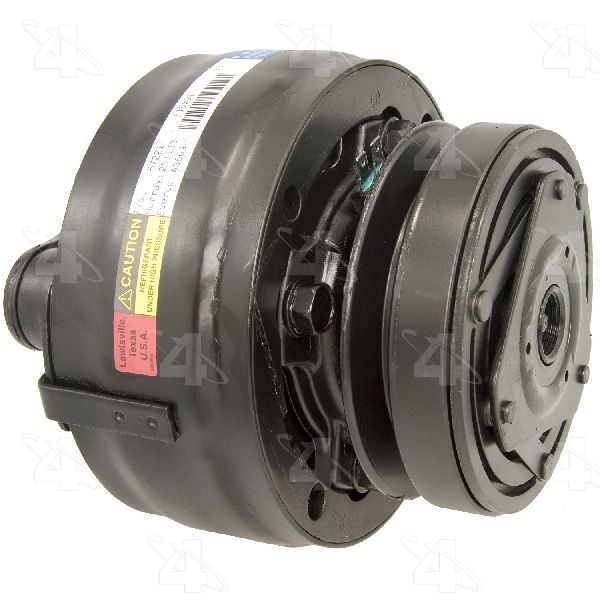
Four Seasons is one of the biggest names in aftermarket A/C parts. Their quality can be a topic of debate on car forums; some mechanics and owners use them for years without issue, while others have experienced premature failures. They are a widely available and generally affordable option that often comes in comprehensive kits, which is a plus. A new Four Seasons compressor is often a safer bet than a remanufactured one from a lesser-known brand.
Tier 3: Economy Aftermarket (Global Parts)
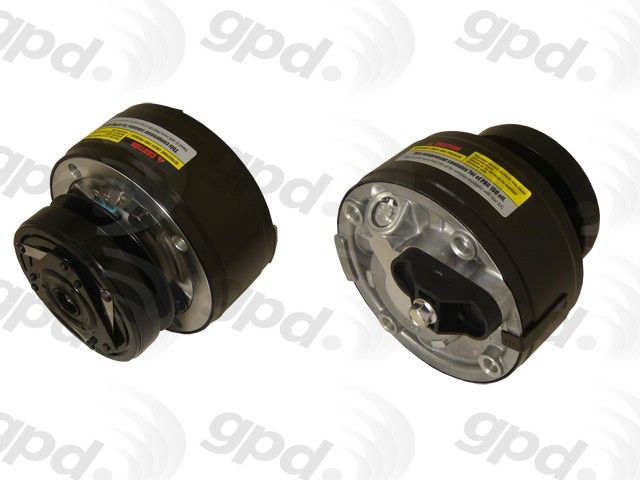
Global Parts Distributors (GPD) offers budget-friendly A/C components. They are a viable option if cost is your primary concern. Reviews are mixed, which is common for economy parts; some work perfectly fine for years, while others may have a shorter lifespan. If choosing an economy brand, it is absolutely critical to flush the system and replace all associated components like the accumulator, orifice tube, and seals.
Pro Tip: Buy the Kit, Not Just the Compressor
Your compressor's warranty will almost always require you to replace the accumulator/drier and the orifice tube. Buying a kit that includes the compressor, accumulator, orifice tube, and necessary O-rings is the smartest way to ensure a successful repair. It saves you the hassle of ordering separate parts and fulfills warranty requirements.
Cost to Replace Your Riviera's A/C Compressor
| Part Type | Estimated Cost | Notes |
|---|---|---|
| New Aftermarket Compressor Kit | $200 - $350 | Recommended. Includes compressor, accumulator, orifice tube, and seals. Prices vary by brand. |
| Remanufactured Compressor | $180 - $250 | Can be a good value, but quality varies. Stick to reputable brands like ACDelco. |
| Shop Labor | $250 - $500 | Includes system evacuation, recharge, and installation. Labor rates vary. |
| Total Professional Job | $450 - $850 | Using a new aftermarket kit installed by a professional shop. |
Frequently Asked Questions
Do I have to convert from R12 to R134a refrigerant? 🎬 Watch: Step-by-step walkthrough of an R12 to R134a conversion.
You don't have to, but you probably should. R12 refrigerant is no longer produced, extremely expensive, and requires a special license to handle. R134a is the modern standard. Conversion involves using different fittings, flushing the old mineral oil, and using a compatible PAG or Ester oil. Most new aftermarket compressors come pre-filled with oil compatible with R134a.
Can I replace just the A/C clutch? 🎬 Watch: How to replace the A/C pulley and clutch assembly.
Sometimes, yes. If the compressor itself is good but the clutch has failed, you can replace just the clutch assembly. However, if the compressor is old, it may be more cost-effective in the long run to replace the entire unit, especially since many failures involve internal wear that you can't see.
What is an accumulator and why must I replace it? 🎬 See this DIY guide for replacing the accumulator and orifice tube.
The accumulator, or receiver/drier, is like a filter for the A/C system. It absorbs moisture and traps debris. Once it's exposed to air during the compressor replacement, it becomes saturated and can't do its job. A new, clean accumulator is essential to protect your new compressor and ensure the system works efficiently.
Were there any recalls on the 1977-1982 Riviera A/C compressor?
No specific A/C compressor recalls or Technical Service Bulletins (TSBs) were found for the 1977-1982 Buick Riviera. This is common for vehicles of this age, as digital records are not as comprehensive. Any major issues would have been addressed decades ago.
Helpful Videos
Technical Specifications
OEM Part Numbers: 1520008 1520206 1520231 152232 57221 57227 57231 58221 58227
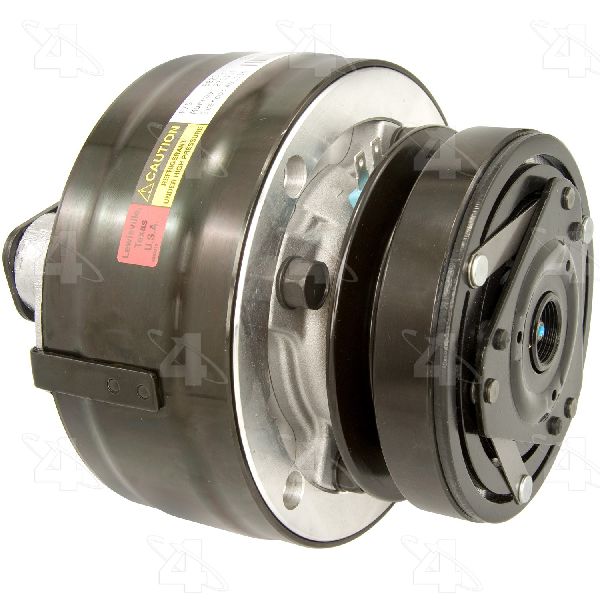
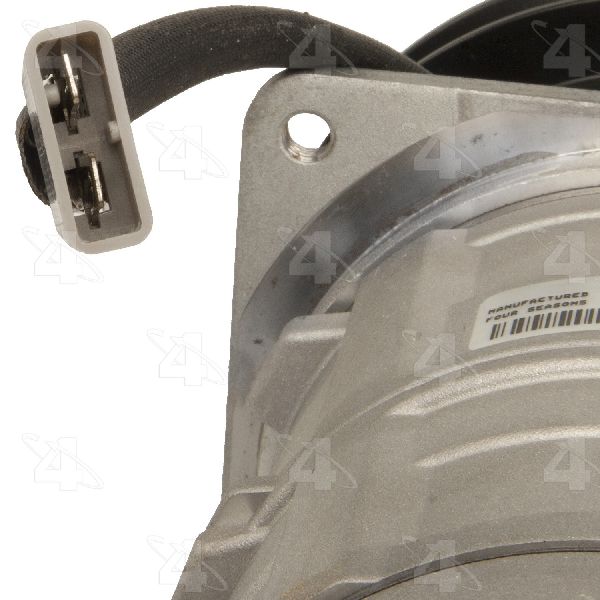
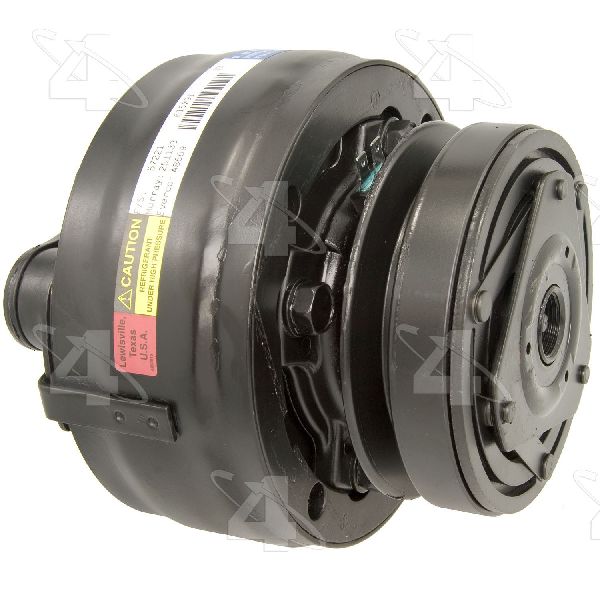
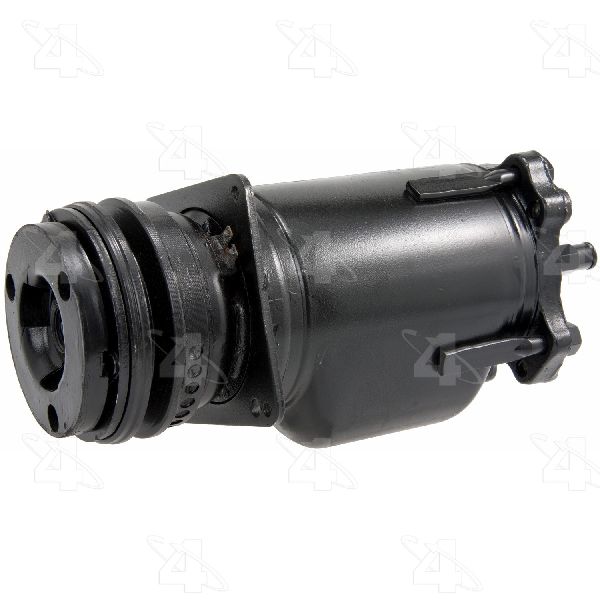
The 1977-1978 models typically used the larger GM A6 compressor, while the 1979-1982 models often used the more compact R4 compressor. Always verify your specific model, as parts were often interchanged. Check for pulley type (V-belt), number of grooves (single), and whether a control switch is mounted on the compressor body.
We Have This Part in Stock

The information in this article is provided for general reference and educational purposes only. Vehicle specifications, procedures, and part compatibility can vary by production date, trim level, and region. Always consult your vehicle's factory service manual and verify part numbers before purchasing or performing repairs. Safety-critical components such as airbags, seat belts, and braking systems should be installed by a qualified professional.
- 🎬 Helpful Videos
- 🛍️ Shop This Part
- Symptoms of a Failing A/C Compressor
- System Contamination is a Big Deal
- Choosing the Right Aftermarket Compressor
- Tier 1: Premium Aftermarket (ACDelco)
- Tier 2: Standard Aftermarket (Four Seasons)
- Tier 3: Economy Aftermarket (Global Parts)
- Pro Tip: Buy the Kit, Not Just the Compressor
- Cost to Replace Your Riviera's A/C Compressor
- Frequently Asked Questions
- 🎟️ Get 5% Off