

A Guide to the 1977-1982 Chevrolet Impala Transmission Control Solenoid
Fix stalling, shuddering, and poor fuel economy by understanding the transmission lock-up solenoid in your Impala.
- A bad TCC solenoid can cause engine stalling at stops or poor fuel economy on the highway.
- Replacement is a messy but manageable DIY job; it's best to also change the transmission filter and fluid at the same time.
- For a vehicle this old, a new aftermarket part from a reputable brand like Standard Ignition is a more reliable choice than a used part.
- There are no known recalls or specific TSBs for this part on the 1977-1982 Impala.
Is Your Impala Stalling or Getting Bad Gas Mileage?
If you own a 1977-1982 Impala, you might experience issues like the engine stalling when you come to a stop, or noticing your engine running at high RPMs on the freeway. These are common signs that your automatic transmission control solenoid, also known as the Torque Converter Clutch (TCC) solenoid, may be failing. This part was introduced on transmissions of this era, like the Turbo-Hydramatic 200, 350, and 200-4R, to improve fuel economy. When it fails, it can cause noticeable driving problems.
Common Symptoms of a Bad TCC Solenoid
A failing TCC solenoid typically gets stuck in one of two positions: open or closed. The symptoms you experience will depend on how the part has failed.
- Engine Stalls When Stopping: If the solenoid is stuck in the "locked" position, it fails to disengage the torque converter as you slow down. This feels like driving a manual car and forgetting to push in the clutch, causing the engine to shudder and stall.
- Poor Fuel Economy & High RPMs: If the solenoid is stuck in the "unlocked" position, it will never engage the lock-up clutch. Your car will drive, but the engine RPMs will be higher than normal at cruising speeds, hurting your fuel mileage and causing the transmission to run hotter.
- Shuddering at Highway Speeds: A faulty or intermittent solenoid can cause the car to shudder or vibrate at highway speeds, often described as feeling like you're driving over rumble strips.
Choosing the Right Aftermarket Solenoid
For a classic vehicle like the 1977-1982 Impala, new original equipment (OEM) parts are generally no longer available. Your only options are typically a used part from a salvage yard or a new aftermarket part. Given that this is an electronic component, a new aftermarket part is often the more reliable choice. Here’s a look at the available brands:
- Good - Pioneer Cable / ATP: These brands are known for providing affordable replacement parts. Reviews for ATP solenoids are mixed; some users report they work well, while others have noted issues with fitment or receiving opened packages. Pioneer is more known for cables, where reviews are also mixed on material quality. These can be a good budget option, but inspect the part carefully before installation.
- Better - Standard Ignition (SMP): Standard is a well-regarded aftermarket manufacturer with a long history of producing quality electronic components that meet or exceed OE specifications. They are often trusted by professional mechanics for their reliability and proper fit. For a critical component like a transmission solenoid, spending a little more on a brand with a strong reputation for quality control can provide more peace of mind.
Pro Tip: Change the Filter and Gasket
Since replacing the solenoid requires removing the transmission pan, it is the perfect time to also replace the transmission fluid, filter, and pan gasket. This is a critical maintenance step that helps ensure the health and longevity of your entire transmission.
Cost to Replace a 1977-1982 Impala TCC Solenoid
| Part/Service | Estimated Cost |
|---|---|
| New Aftermarket Solenoid | $46.76 - $120.19 |
| Shop Labor | $100 - $250 |
| Total Professional Replacement | $150 - $370 |
| DIY Cost (Part + Fluid/Filter) | $75 - $175 |
Cost estimates are approximate and can vary based on your location and the specific rates of your repair shop.
Frequently Asked Questions (FAQ)
Can I replace the transmission solenoid myself?
Yes, this is a job many DIYers can handle. It involves safely jacking up the car, draining the transmission fluid, removing the oil pan, and swapping the solenoid which is usually held by a clip or small bolts. The biggest challenge is the mess from the transmission fluid. If you are comfortable with that, it is a very manageable repair.
Are there any recalls for this part on my Impala?
Searches of the NHTSA database and other recall sources did not show any specific recalls for the automatic transmission control solenoid for the 1977-1982 Chevrolet Impala. Recalls found for Impala transmissions are for much newer models.
What happens if I don't replace a bad solenoid?
If it's stuck unlocked, you will continue to have poor fuel economy and cause extra heat and wear on your transmission. If it's stuck locked, your engine will constantly stall at stops, making the car dangerous and difficult to drive. Ignoring the problem can lead to more significant transmission damage over time.
What kind of transmission fluid should I use?
For this era of GM transmission, DEXRON-III/Mercon compatible fluid is typically the correct type. However, always check your owner's manual or a reliable service guide for the exact specification for your vehicle's transmission (THM350, THM200-4R, etc.) as requirements can vary.
Technical Specifications
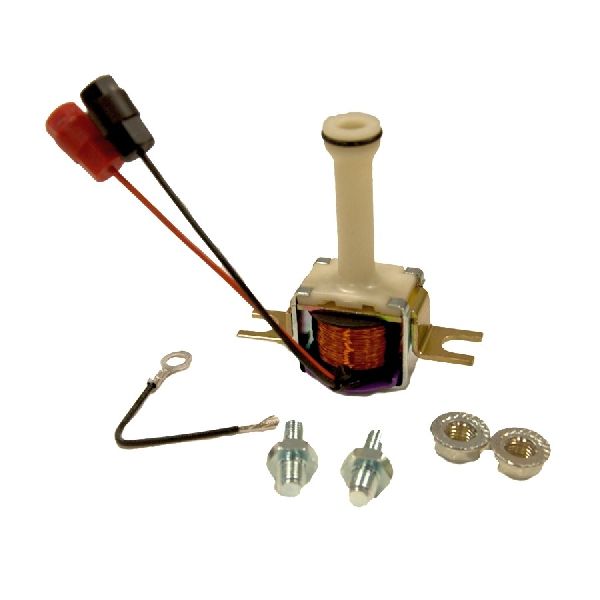
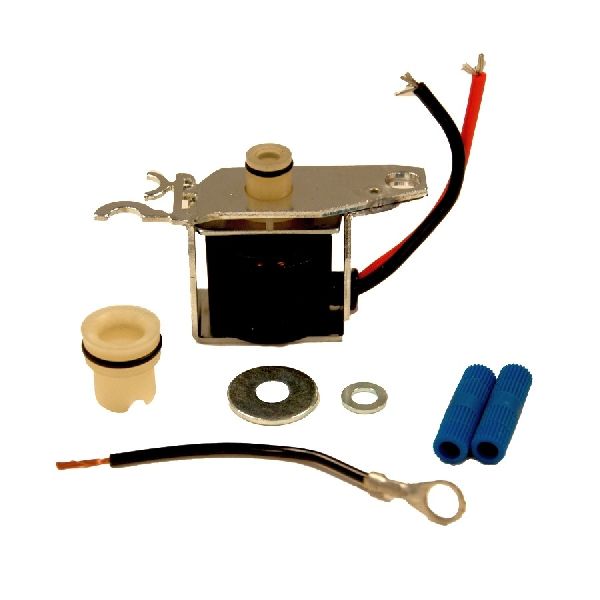
Typically a 2-terminal solenoid located inside the transmission oil pan, compatible with GM THM350C, THM200C, and THM200-4R transmissions.
We Have This Part in Stock


The information in this article is provided for general reference and educational purposes only. Vehicle specifications, procedures, and part compatibility can vary by production date, trim level, and region. Always consult your vehicle's factory service manual and verify part numbers before purchasing or performing repairs. Safety-critical components such as airbags, seat belts, and braking systems should be installed by a qualified professional.