

Dodge D150 Ignition Coil Guide: 1977-1982 Replacement Options
Choosing the right ignition coil for your classic Dodge D150 is simple once you know what to look for.
- A failing ignition coil on a D150 causes no-start, misfires, stalling, and poor power.
- Replacement is very easy and DIY-friendly, typically taking less than 30 minutes.
- For reliability, choose a quality aftermarket brand like MSD, Standard Ignition (SMP), or NGK.
- Consider replacing the inexpensive ballast resistor at the same time as the coil for preventative maintenance.
Is Your D150's Ignition Coil Failing?
The ignition coil on a 1977-1982 D150 is a tough part, but they don't last forever. When a coil starts to go bad, it can be a slow failure or it can stop working suddenly. The symptoms often get worse as the coil gets weaker. Look for these common signs of a failing ignition coil.
- No Start or Hard Starting: The engine cranks but won't fire up, or takes a long time to start. This is a classic symptom of a dead or weak coil.
- Engine Misfires: You might feel the engine shaking or jerking, especially when idling or accelerating. This happens because a weak spark isn't strong enough to burn all the fuel in the cylinder.
- Poor Acceleration: The truck feels sluggish and lacks power when you press the gas pedal.
- Backfiring: Loud popping sounds from the exhaust can happen when unburnt fuel from a misfire ignites in the hot exhaust pipe.
- Engine Stalling: The engine may stall unexpectedly, especially when you come to a stop. As the coil's condition worsens, stalling can become more frequent.
Mopar-Specific Diagnosis Tip
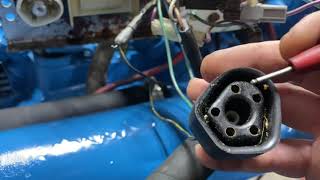
A common diagnostic trick for these older Dodge ignition systems can help you determine if the coil is the problem. Turn the key to the 'On' position, then turn it 'Off'. If you see a single spark from the coil wire at that moment, but get no spark while cranking the engine, the problem is more likely the pickup coil inside the distributor, not the main ignition coil. 🎬 Watch: How to test the pickup coil inside your distributor. If you get no spark at all, the coil, ignition control module, or ballast resistor are the main suspects.
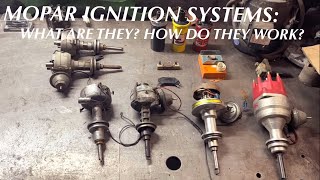
🎬 Watch: A step-by-step guide to diagnosing Chrysler electronic ignition systems.Choosing the Right Aftermarket Coil
For a vehicle from this era, finding a new OEM Mopar part is nearly impossible. The market consists almost entirely of aftermarket brands, which can be broken down into a few quality tiers.
Performance Brands (MSD, Accel)
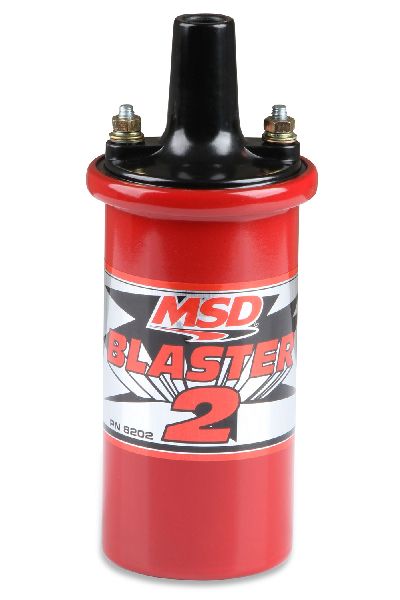
If you've made performance upgrades to your engine or simply want the highest output, brands like MSD are a popular choice. Forum users consistently recommend MSD for its reliability and performance. Accel is another performance brand, but it has a mixed reputation; many owners report premature failures and suggest keeping your old coil as a backup if you choose Accel.
OE-Quality Brands (Standard Ignition, NGK)
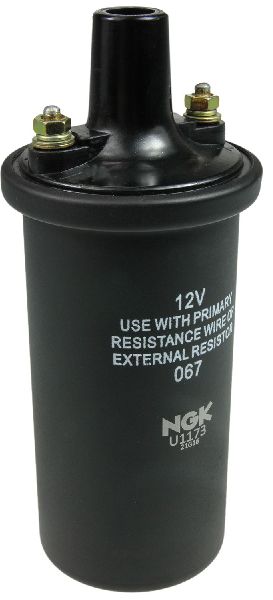
These brands aim to meet or exceed original factory specifications. Standard Motor Products (SMP) has a long history of being a top-quality aftermarket supplier. For best results, stick with their standard line (often in a red box) or their premium Blue Streak line. NGK is another excellent choice, well-respected for making reliable ignition components.
Standard Replacement Brands (Spectra, Walker, DriveWire, etc.)
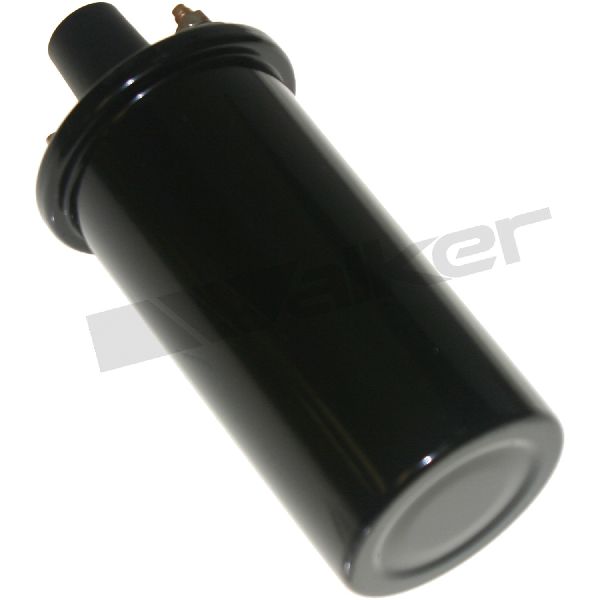
Brands like Spectra, Walker Products, and WAI Global offer affordable, direct-fit replacements that get the job done for a daily driver or stock vehicle. They are a good value option if you're on a budget and don't need high-performance output.
A Note on Ballast Resistors
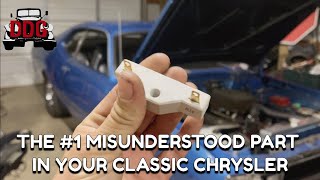
Your D150's original ignition system uses a ballast resistor. This small ceramic part reduces voltage to the coil during normal operation to prevent it from overheating. Some aftermarket coils, especially performance models, are designed to work with a full 12 volts and do not require a ballast resistor. Always check the new coil's instructions to see if you need to keep or bypass the ballast resistor.
🎬 See this video for a deep dive into ballast resistors.Known Issues, Recalls, and Bulletins
Searches of the National Highway Traffic Safety Administration (NHTSA) database show no recalls or technical service bulletins (TSBs) specifically related to the ignition coil for the 1977-1982 Dodge D150. The electronic ignition system as a whole can be sensitive to bad grounds or failing ballast resistors, which can sometimes be misdiagnosed as a bad coil.
| Part Type | Price Range | Notes |
|---|---|---|
| New Aftermarket | $20.40 - $85.56 | Price depends on brand, from standard replacements to high-performance models. |
| New OEM (Mopar) | N/A | Generally not available new. May be found as New Old Stock (NOS) at a high cost. |
| Shop Labor | $50 - $100 | A very quick job for a professional mechanic, typically less than an hour of labor. |
Frequently Asked Questions (FAQ)
Is replacing the ignition coil a difficult job?
No, this is a very easy job for a DIY mechanic. The coil is mounted externally on the engine or firewall and is held on by one or two bolts. The process involves disconnecting the battery, removing a few wires, swapping the coil, and reconnecting everything. It can usually be done in under 30 minutes with basic hand tools.
Do I need a special type of coil for my truck?
For a stock truck, any standard replacement coil designed for your year and engine will work fine. If you have a modified engine with other ignition upgrades (like an MSD ignition box), it's best to match the coil brand to your other components for best performance.
What is a ballast resistor and do I need to replace it with the coil?
The ballast resistor is a ceramic block that lowers the voltage going to the coil while the engine is running. A failing ballast resistor is a common cause of stalling or a no-start condition on these trucks. It's inexpensive and a good idea to replace it when you replace the coil, unless your new coil's instructions say it's not needed.
What are the threaded posts on the coil for?
On these older canister-style coils, the two small threaded posts are the primary terminals. One is the positive (+) terminal that receives power from the ignition switch (via the ballast resistor), and the other is the negative (-) terminal that connects to the ignition control module. The large central tower is the secondary terminal for the high-voltage wire going to the distributor cap.
Helpful Videos
![No Spark Troubleshooting [Mopar Electronic Ignition with Ballast Resistor]](https://img.youtube.com/vi/RiC8OaSXMs8/mqdefault.jpg)
Technical Specifications
This vehicle uses a single, canister-style, oil-filled or epoxy-filled ignition coil as part of a distributor-based ignition system. It typically features two primary threaded posts (+/-) and a single secondary tower for the distributor wire.
We Have This Part in Stock


The information in this article is provided for general reference and educational purposes only. Vehicle specifications, procedures, and part compatibility can vary by production date, trim level, and region. Always consult your vehicle's factory service manual and verify part numbers before purchasing or performing repairs. Safety-critical components such as airbags, seat belts, and braking systems should be installed by a qualified professional.
- 🎬 Helpful Videos
- 🛍️ Shop This Part
- Is Your D150's Ignition Coil Failing?
- Mopar-Specific Diagnosis Tip
- Choosing the Right Aftermarket Coil
- Performance Brands (MSD, Accel)
- OE-Quality Brands (Standard Ignition, NGK)
- Standard Replacement Brands (Spectra, Walker, DriveWire, etc.)
- A Note on Ballast Resistors
- Known Issues, Recalls, and Bulletins
- Frequently Asked Questions (FAQ)
- 🎟️ Get 5% Off