

A Practical Guide to the Starter on Your 1977-1982 Ford F-350
Don't get stranded—learn the signs of a failing starter and how to choose the right replacement for your classic Ford truck.
- Symptoms like a 'single click' often point to the inexpensive fender-mounted solenoid, not the starter itself. Check this first.
- For trucks with V8 engines, upgrading to a high-torque 'mini-starter' is the best way to solve common heat-related starting issues (heat soak).
- Always check your battery, ground straps, and cable connections before buying parts; poor connections are a frequent cause of starting problems on these trucks.
- You must order a starter that specifically matches your truck's engine and transmission (manual or automatic) to ensure proper fitment.
Is Your F-350 Starter Failing?
A bad starter can leave you stranded. The signs are often obvious, but they can sometimes be confused with a weak battery or a bad solenoid. Before you decide to replace the starter, always make sure your battery is fully charged and that the battery cables and ground connections are clean, tight, and free of corrosion. Many starting problems on these classic trucks are traced back to simple electrical issues.
Common Symptoms of a Bad Starter:
- Single Loud Click, Then Nothing: You turn the key and hear one distinct "click" from the engine bay, but the engine doesn't crank. This is a classic symptom that often points to the fender-mounted solenoid, but can also be the starter itself.
- Slow, Labored Cranking: The engine turns over, but it sounds sluggish and weak, as if the battery is dying. This is especially common when the engine is hot, a condition known as "heat soak."
- Grinding or Whirring Noise: If you hear a grinding sound when you try to start the engine, or a high-pitched whirring after the engine has started, the starter gear may not be engaging or disengaging correctly with the flywheel.
- Starter Stays On: In some cases, the starter may continue to run even after the engine is on and you've released the key. This can be caused by a faulty solenoid that has welded itself in the closed position.
- No Sound at All: If you turn the key and get nothing—no click, no crank—the problem could be the starter, but it's also important to check the ignition switch, neutral safety switch, and all wiring.
Pro Tip: Check the Solenoid First!
Your 1977-1982 F-350 uses a fender-mounted starter solenoid (or relay) that is a very common failure point. These solenoids are inexpensive and easy to replace. Many owners waste time and money replacing a good starter when the true culprit was a bad $25 solenoid. It is highly recommended to test or replace this part before, or at the same time as, the starter.
Choosing the Right Aftermarket Starter
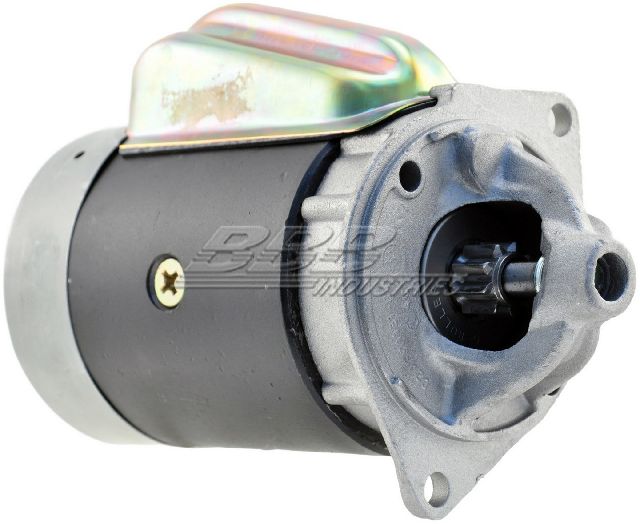
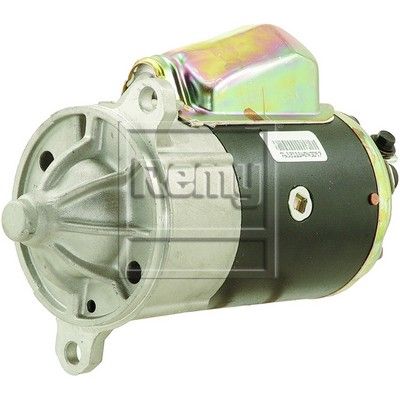
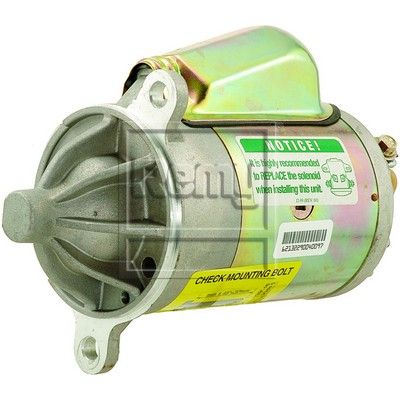
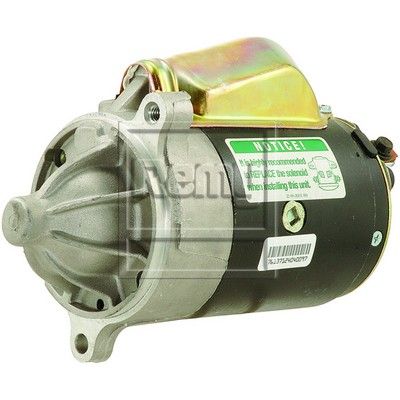
For a truck this age, original Ford (OEM) starters are generally not a practical option, as they are likely discontinued. The market consists almost entirely of aftermarket parts. When choosing, you have two main options:
- Standard Replacement: These are designed to be a direct, like-for-like replacement for the original factory starter. They are a cost-effective choice for stock trucks.
- High-Torque / Gear Reduction Starter: Often called "mini-starters," these are a popular upgrade. They are smaller, lighter, and more powerful than the original design. Their modern gear-reduction technology provides more cranking power with less electrical draw, making them the best solution for the common "heat soak" problem where the starter struggles to crank a hot engine.
A Note on Aftermarket Brands
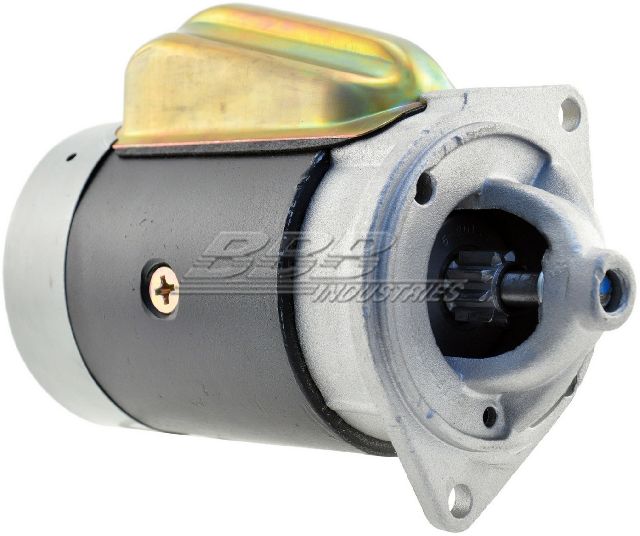
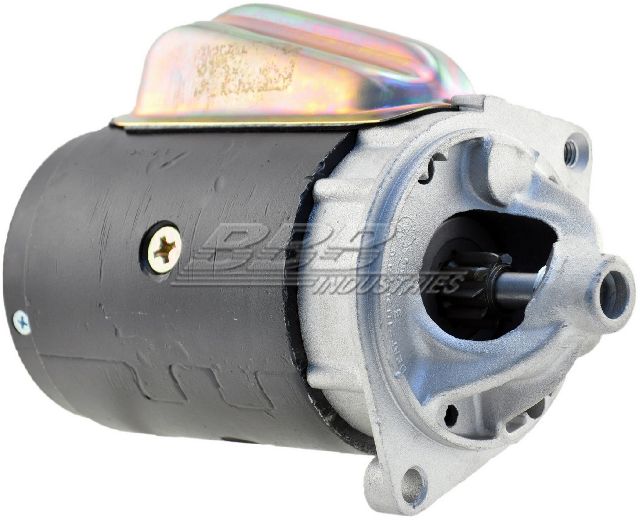
Brands like BBB Industries, Remy, and WAI Global are common suppliers of starters for your F-350. Forum discussions among classic truck owners show mixed experiences with the quality and longevity of aftermarket electrical parts, regardless of the brand. Many recommend purchasing a new unit rather than a remanufactured one, and buying from a local parts store that offers a lifetime warranty can make handling a potential failure much easier.
CRITICAL: The most important factor is ensuring you order the correct part for your truck's specific engine and transmission type (manual vs. automatic), as the starters are not interchangeable.
Starter Replacement Cost for 1977-1982 Ford F-350
The cost to replace your starter will vary based on the part you choose and whether you do the work yourself.
| Part or Service | Estimated Cost |
|---|---|
| New Aftermarket Starter | $111 - $173 |
| Shop Labor | $120 - $250 |
| Total Professional Replacement | $231 - $423 |
Frequently Asked Questions
How do I know if it's the starter or the fender solenoid?
A common test is to carefully use a screwdriver to bridge the two large terminals on the fender solenoid. If the starter cranks, the starter motor is likely good, and the problem is with the solenoid or the wiring leading to it. If it still doesn't crank, the issue is more likely the starter, battery cables, or a bad ground. Always disconnect the battery before performing any replacement.
What is starter "heat soak"?
Heat soak is a very common issue on these trucks, especially those with big block V8s. The factory starter sits close to the hot exhaust manifold. After a long drive, the heat "soaks" into the starter, increasing its internal electrical resistance. This makes it struggle to draw enough power to crank the hot engine, resulting in slow, labored cranking until it cools down. The best fix is upgrading to a high-torque, gear-reduction mini-starter.
Is replacing the starter a DIY job?
Yes, for someone with moderate mechanical skill, this is a very doable job. It involves disconnecting the battery, safely raising the vehicle, removing a few wires, and unbolting the starter. However, access can be tight, especially for the top mounting bolt which is often hidden and difficult to reach. Having a good set of wrenches, sockets, and extensions is essential.
Are there any recalls or TSBs for the starter?
No, there are no specific recalls or Technical Service Bulletins (TSBs) from Ford or the NHTSA for starter motor failures on the 1977-1982 Ford F-350. Any starting system issues on a vehicle of this age are considered a result of normal wear and tear.
Technical Specifications
OEM Part Numbers: Largely obsolete and vary by engine/transmission. Consult a vintage parts catalog for specific applications.
Fitment is determined by engine (e.g., 351M/400, 460, etc.) and transmission type (manual or automatic). High-torque gear reduction models are a common upgrade.
We Have This Part in Stock

The information in this article is provided for general reference and educational purposes only. Vehicle specifications, procedures, and part compatibility can vary by production date, trim level, and region. Always consult your vehicle's factory service manual and verify part numbers before purchasing or performing repairs. Safety-critical components such as airbags, seat belts, and braking systems should be installed by a qualified professional.