

Ford Granada Ignition Switch Guide: 1977-1982 Symptoms and Replacement
If your Granada has electrical gremlins or won't start, the ignition switch could be the culprit.
- Symptoms like stalling, no-start, and flickering dash lights often point to a failing ignition switch.
- This is a DIY-friendly repair that can be done in about an hour with basic tools.
- For best results and fitment, choose a Motorcraft replacement part if available.
- Do not drive the vehicle if you suspect a bad ignition switch, as it can stall in traffic, creating a safety hazard.
Is Your Ford Granada's Ignition Switch Failing?

The ignition switch is a common wear item on older vehicles like the 1977-1982 Ford Granada. Over decades of use, the electrical contacts inside can wear out, causing a range of frustrating problems. Identifying a bad switch can be tricky because the symptoms often mimic other issues, but there are several classic signs to watch for.
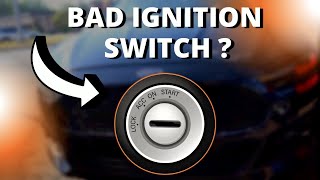
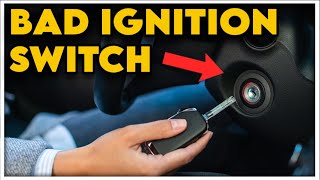
🎬 Watch: A visual guide to bad ignition switch symptomsTop 5 Symptoms of a Bad Ignition Switch
- Engine Won't Start or Cranks Unreliably: You turn the key and nothing happens—no clicking, no cranking. Or, it might start one day and not the next. This happens when the switch fails to send power to the starter.
- Car Stalls While Driving: This is a serious safety issue. A worn switch can lose contact over bumps or vibrations, cutting power to the ignition and fuel systems and causing the engine to shut off.
- Flickering Dashboard Lights & Accessories: If your dash lights, radio, or heater fan cut in and out when you jiggle the key, it's a strong sign the switch's internal contacts are failing.
- Starts then Immediately Stalls: The engine might fire up in the "Start" position but die as soon as you release the key to the "On" position. This indicates the switch isn't maintaining power to the ignition system.
- Key is Hard to Turn or Feels 'Sticky': While this can also be a lock cylinder issue, binding in the switch can make it difficult to turn the key through its positions.
Known Issues & Recalls
While Ford issued a major recall for ignition switches in the 1990s, it affected 1988-1993 models and does not apply to the 1977-1982 Granada. No specific recalls or widespread Technical Service Bulletins (TSBs) are documented for the ignition switch on this generation of Granada. However, owners have reported a unique starting problem where the engine only tries to fire when the key is released from the 'crank' position, which can be traced to faulty wiring related to the ignition switch and ballast resistor.
Choosing the Right Aftermarket Ignition Switch

For a vehicle of this era, you won't find new OEM parts from a Ford dealer. Your options are new aftermarket parts. The two most common brands you'll encounter are Motorcraft and Standard Ignition (Standard Motor Products).
Motorcraft: This is Ford's own parts brand. Even though it's sold in the aftermarket, it's considered OEM-quality. Mechanics and Ford enthusiasts consistently recommend using Motorcraft for electrical parts whenever possible. They are built to the original specifications, ensuring proper fit and function. For an electrical part as critical as the ignition switch, Motorcraft is the top-tier choice for reliability.
Standard Ignition (SMP): Standard is a well-known and generally reliable aftermarket manufacturer. Their parts are a cost-effective alternative and widely available. However, with some aftermarket electrical parts, there can be minor differences in manufacturing tolerances that may lead to issues like loose terminal connections compared to their OEM counterparts. For a Granada, a Standard switch is a perfectly acceptable replacement, but if you prioritize perfect fit and maximum longevity, Motorcraft is the preferred option.
Pro Tip: While you are replacing the ignition switch, it's a good time to inspect the lock cylinder (where you insert the key). If it's worn or sticky, replacing both at the same time can save you from having to take the steering column apart again later.
Cost of Replacing a Ford Granada Ignition Switch
| Part Type | Estimated Cost |
|---|---|
| New Aftermarket (Standard, etc.) | $39 - $56 |
| New Aftermarket (Motorcraft) | $45 - $65 |
| Shop Labor | $110 - $170 |
| Total (DIY) | $39 - $65 |
| Total (Installed at Shop) | $149 - $235 |
Cost estimates are for the part and labor only and do not include taxes or diagnostic fees. Labor is estimated at 1 hour.
Frequently Asked Questions (FAQ)

Is this a difficult repair to do myself?
For most home mechanics, this is a straightforward job. It typically requires removing the plastic covers around the steering column and using a simple tool like a paperclip to release the lock cylinder before accessing the switch. The difficulty is low, and it usually takes less than an hour.
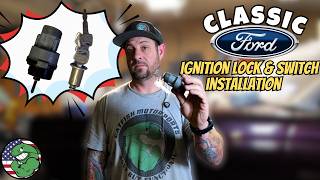
🎬 See this easy walkthrough for installing a classic Ford switchWhat tools do I need to replace the ignition switch?
You will likely need a basic screwdriver set to remove the steering column covers and a paperclip or a small punch to depress the retaining pin on the lock cylinder. No other special tools are usually required.
My key is stuck in the ignition. Is that the switch?
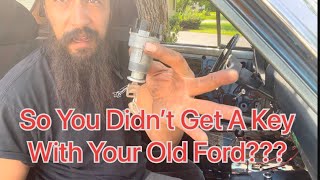
It could be, but it's more likely an issue with the mechanical lock cylinder that the key fits into. 🎬 Watch: How to replace a lock cylinder without the key The two parts work together. Often, they are replaced at the same time since you have to remove the cylinder to get to the switch anyway.
Can I still drive my Granada with a bad ignition switch?
It is not recommended. If the switch is failing, it could stall the engine while you are driving, which would also cause you to lose power steering. This is a major safety risk. It could also leave you stranded if the car decides not to start at all.
Helpful Videos
Technical Specifications
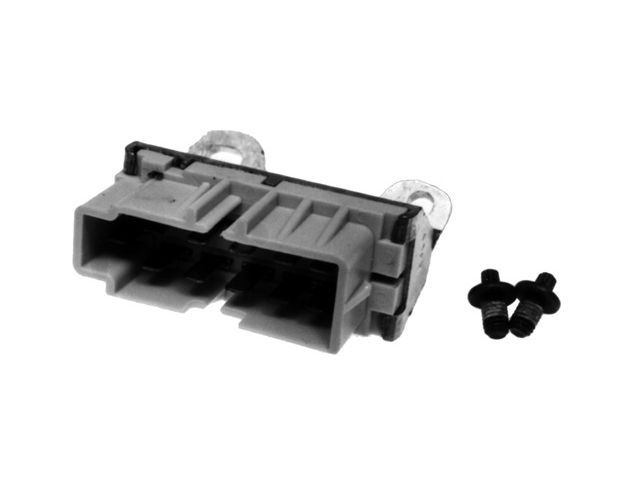
OEM Part Numbers: D7OZ-11572-A
Electrical switch mounted on the steering column, activated by the ignition lock cylinder.
We Have This Part in Stock


The information in this article is provided for general reference and educational purposes only. Vehicle specifications, procedures, and part compatibility can vary by production date, trim level, and region. Always consult your vehicle's factory service manual and verify part numbers before purchasing or performing repairs. Safety-critical components such as airbags, seat belts, and braking systems should be installed by a qualified professional.