

Ford Thunderbird Starter Motor Guide: 1977-1982
Don't let a weak or dead starter keep your classic Thunderbird parked.
- Always check the battery and fender-mounted solenoid first; they can cause similar symptoms and are common failure points on these cars.
- Upgrading to a modern gear-reduction 'mini starter' is highly recommended for better performance, header clearance, and heat resistance.
- Verify your exact engine and transmission combination before ordering, as Ford used different starters for different drivetrains.
- For modified engines, a performance-tier starter from a brand like Powermaster, MSD, or Ford Performance is a worthwhile investment.
Is Your Thunderbird's Starter Failing?
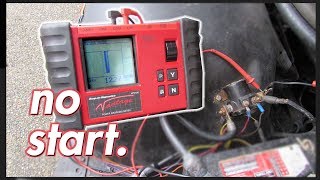
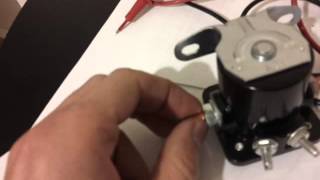
A failing starter on a 1977-1982 Thunderbird gives clear warning signs. Because these cars use a fender-mounted starter solenoid (a type of relay), it's important to know whether the starter itself or the solenoid is the problem. 🎬 Watch: How to diagnose and test your Ford starter solenoid. Often, the symptoms are very similar.
Common Failure Symptoms:
- Single Loud Click, Then Nothing: You turn the key and hear one sharp "CLACK" from the engine bay, but the engine doesn't crank. This often means the fender solenoid is working, but the starter motor itself is failing to spin.
- Rapid Clicking Sound: A fast "click-click-click-click" noise when you turn the key usually points to a weak battery or bad battery cables, not the starter. Always check your battery and connections first. 🎬 Listen: Hear the difference between starter and battery clicking sounds.
- Slow, Labored Cranking: If the engine turns over very slowly, like it's struggling, the starter motor may be worn out and drawing too much power. This can also be a sign of poor electrical connections.
- Grinding Noise: A harsh grinding sound during or after cranking can mean the starter gear is damaged or not properly disengaging from the flywheel. This can cause serious damage if ignored.
- No Sound at All: If you turn the key and get silence, the problem could be the fender solenoid, a bad ignition switch, or a completely dead starter motor.
Pro Tip: Check the Solenoid First
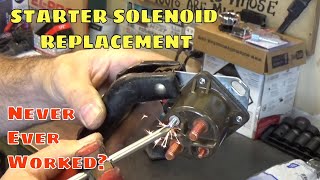
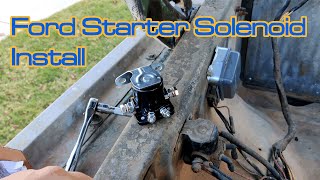
These Thunderbirds have a small, boxy solenoid mounted on the passenger-side inner fender. This part fails frequently and is much cheaper and easier to replace than the starter. 🎬 See this quick walkthrough on replacing the fender-mounted solenoid. If you can have a friend turn the key while you listen, a click from this box means it's getting the signal. If it doesn't click, the solenoid itself could be the culprit.
Choosing the Right Aftermarket Starter
For a classic vehicle like the 1977-1982 Thunderbird, original Ford (Motorcraft) starters are no longer produced. The market consists entirely of new and remanufactured aftermarket parts. This is actually good news, as modern technology offers significant upgrades over the original 1970s design.
Stock Style vs. Mini Starters (Gear Reduction)
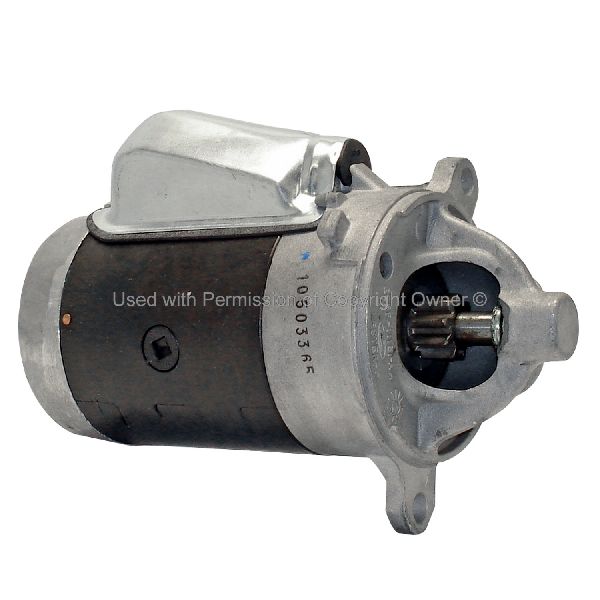
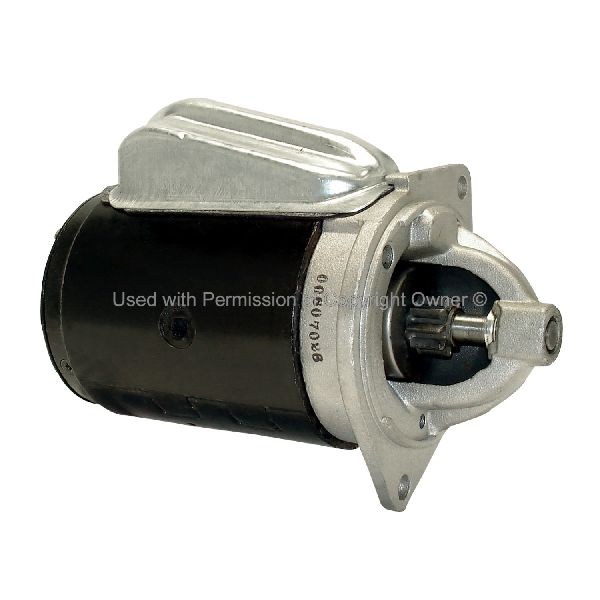
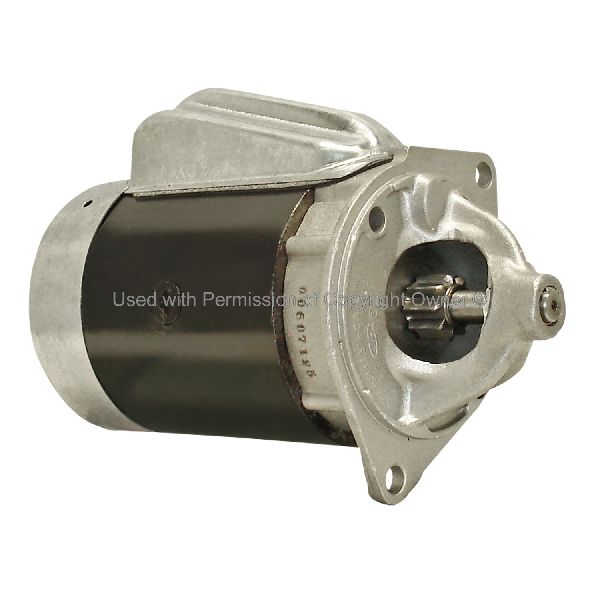
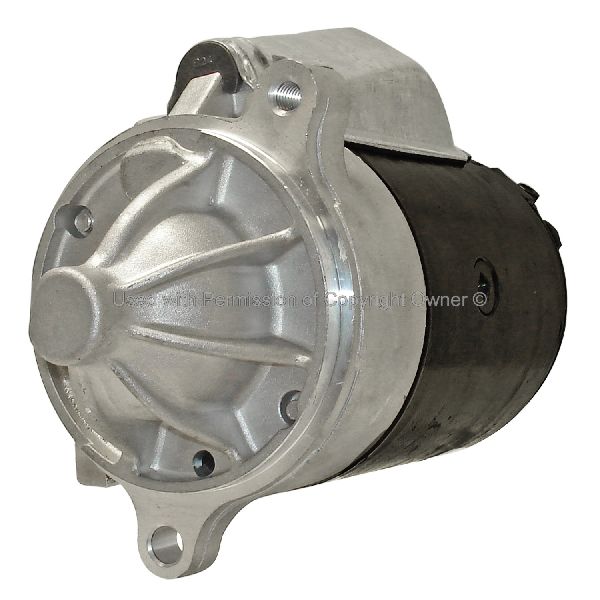
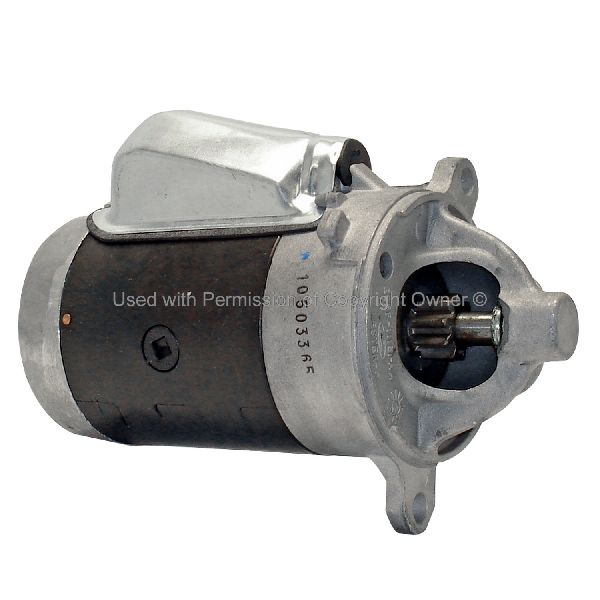
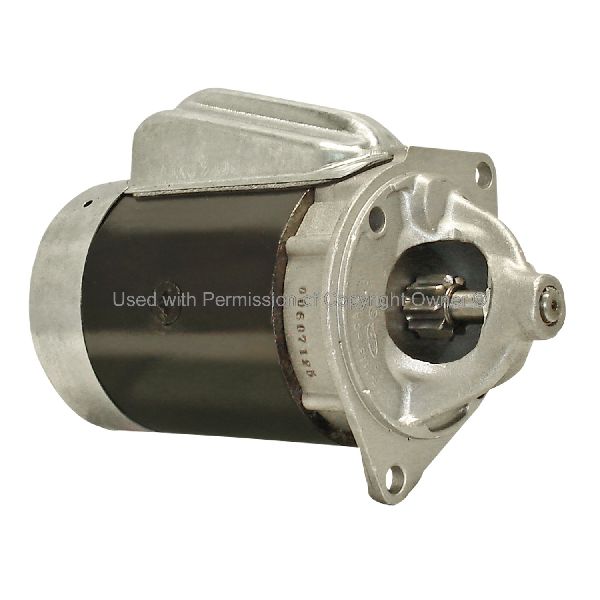
The original starters are large, heavy, direct-drive units that use wound copper fields. Modern aftermarket replacements often use a gear reduction design with permanent magnets. These are often called "mini starters."
- Advantages of Mini Starters: They are smaller, lighter, and draw less amperage from the battery. They also produce more torque, making them excellent for engines with higher compression or for solving "heat soak" problems where a hot starter struggles to crank. The smaller size also provides better clearance for aftermarket exhaust headers.
- Disadvantages: They have a distinct, higher-pitched starting sound that is different from the original 1970s Ford sound, which may be a concern for owners seeking 100% originality.
Aftermarket Brand Tiers
The brands available offer a range of quality and performance. Choosing the right one depends on your budget and how you use your Thunderbird.
Performance Tier (High-Torque Mini Starters):
These are ideal for modified engines, cars with headers, or for owners who want maximum reliability and cranking power. They are typically smaller, lighter, and more resistant to heat.
- MSD & Powermaster: Both are top-tier brands specializing in high-torque, gear-reduction mini starters. They are well-regarded for their power and durability, especially for engines with higher compression.
- Ford Performance: Offers its own high-quality mini starter that provides excellent torque and header clearance, making it a very popular and reliable upgrade.
Standard Replacement Tier:
These brands offer a good balance of quality and price for stock or mildly modified vehicles. They are available in both original-style and mini-starter designs.
- ACDelco: A well-known brand offering both new and remanufactured starters. While a reputable name, be aware that ACDelco is often a relabeler of parts made by other manufacturers, and quality can vary.
- MPA (Motor Parts of America): A major supplier of remanufactured starters to many auto parts stores. Quality is generally considered standard, suitable for daily-driver repairs.
Budget Tier:
These brands can be a cost-effective solution, but quality and longevity can be inconsistent. They may be suitable for a weekend cruiser on a tight budget.
- Proform: Offers powerful mini starters for a low price, but some users report issues with mounting hardware and long-term reliability.
- Mr. Gasket: Primarily known for gaskets and accessories, their starter offerings are typically budget-focused. They are more well-known for starter heat shields, which can be a good addition to any starter brand if you have headers.
Common Ordering Mistake
Ford used different starters depending on the engine (302, 351W, 351M/400) and transmission (manual or automatic). This affects the flywheel tooth count (often 157 or 164 teeth) and the depth of the starter drive. Always verify your engine and transmission combination before ordering. Using the wrong starter can result in grinding or a no-start condition. If possible, compare the new starter to your old one before installation.
Cost of Replacing a Thunderbird Starter
The cost depends on the type of starter you choose and whether you do the work yourself or hire a professional.
| Part/Service | Estimated Cost |
|---|---|
| New Aftermarket Starter | $60 - $400 |
| Shop Labor | $125 - $300 |
| Total Professional Replacement | $185 - $700 |
Frequently Asked Questions
Can I drive my Thunderbird with a bad starter?
No. If the starter is completely dead, the engine will not be able to start, leaving you stranded. If it is failing intermittently, you risk it failing to start at any time.
Is it hard to replace the starter on a 1977-1982 Thunderbird?
For a DIY mechanic, this is a relatively simple job. It requires safely jacking up the car, disconnecting the battery, and removing a few wires and two or three bolts from underneath the vehicle. Access is generally good on these cars.
Do I need a special starter if I have headers?
It is highly recommended. The original Ford starters are very large and can be too close to aftermarket headers, causing "heat soak." A modern gear-reduction mini starter (like those from Powermaster, MSD, or Ford Performance) is much smaller, providing better clearance and preventing hot-start problems.
What's the difference between a new and a remanufactured starter?
A new starter is built with all-new components. A remanufactured (or "reman") starter is an original unit that has been disassembled, cleaned, and had its worn-out components (like brushes, bearings, and the solenoid) replaced. For many standard replacement brands, remanufactured is the most common option. Performance brands like MSD and Ford Performance are typically sold new.
Helpful Videos
Technical Specifications
OEM Part Numbers: D2HF-11001-EA
Key specifications to check are flywheel/flexplate tooth count (commonly 157 or 164-tooth for automatics), mounting bolt pattern, and starter drive depth. These vary by engine (302, 351W, 351M, 400) and transmission combination. The original design is a direct-drive, wound-field motor, while many aftermarket replacements are permanent magnet gear reduction (PMGR) types.
We Have This Part in Stock

The information in this article is provided for general reference and educational purposes only. Vehicle specifications, procedures, and part compatibility can vary by production date, trim level, and region. Always consult your vehicle's factory service manual and verify part numbers before purchasing or performing repairs. Safety-critical components such as airbags, seat belts, and braking systems should be installed by a qualified professional.
- 🎬 Helpful Videos
- 🛍️ Shop This Part
- Is Your Thunderbird's Starter Failing?
- Common Failure Symptoms:
- Pro Tip: Check the Solenoid First
- Choosing the Right Aftermarket Starter
- Stock Style vs. Mini Starters (Gear Reduction)
- Aftermarket Brand Tiers
- Common Ordering Mistake
- Cost of Replacing a Thunderbird Starter
- Frequently Asked Questions
- 🎟️ Get 5% Off