

A Guide to the 1977-1982 Pontiac Firebird Engine Oil Pressure Switch
Understanding why your Firebird's oil gauge is erratic or the warning light is on.
- A faulty oil pressure switch is a very common and simple-to-fix issue on 1977-1982 Firebirds.
- You must order the correct part: a "switch" for a warning light or a "sender" for a pressure gauge.
- Symptoms of a bad switch (erratic gauge) can be alarming but often do not indicate a real engine problem.
- Owners of 1977 models with the 400ci engine should be aware of a TSB regarding oil pressure loss on hard turns due to a non-baffled oil pan.
Is Your Firebird's Oil Pressure Gauge Lying to You?
A faulty oil pressure switch is a common issue on second-generation Firebirds. Before you suspect a major engine problem, it's important to know the signs of a bad switch. Because these cars are now classics, the original sensors are prone to failure from age, heat, and vibration. The symptoms of a bad switch can be alarming, but the fix is often simple and inexpensive.
Symptoms of a Failing Oil Pressure Switch
A bad oil pressure switch can mimic the signs of a serious engine problem. Here’s what to look for:
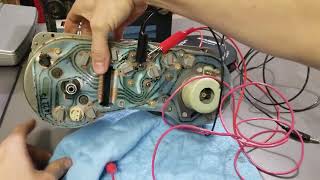
- Erratic Gauge Readings: The most common symptom is an oil pressure gauge that behaves strangely. It might be stuck at zero, pegged at its maximum reading, or jump around randomly while you drive. 🎬 Watch: Diagnostic steps to test and repair your oil gauge.
- Flickering Oil Warning Light: If your Firebird has a warning light instead of a gauge, it might flicker, especially at idle, or stay on constantly even when you know the oil level is correct.
- Visible Oil Leak: The switch itself can develop a leak. You may see oil on the sensor, on the electrical connector, or dripping onto the engine block or ground below it.
Important Note on Warning Lights
Never ignore an oil pressure warning light or a gauge that reads zero while the engine is running. While it could be a bad sensor, it could also be real, catastrophic oil pressure loss. Always check your oil level immediately. If the level is fine, but the warning persists and you hear ticking or knocking noises from the engine, turn it off immediately and do not drive it.
Known Issues for 1977-1982 Firebirds
While no recalls exist for the oil pressure switch itself, a notable General Motors Technical Service Bulletin (TSB) was issued in February 1977. It affects certain 1977 Firebirds with the 400 cubic inch V8 engine. These engines could experience a severe loss of oil pressure during hard acceleration or on steep hills because the original oil pan did not have a baffle. This is not a sensor failure, but a mechanical issue that the sensor correctly reports. The fix was to install a new, baffled oil pan.
Choosing the Right Aftermarket Switch
Original GM parts for these cars are mostly unavailable. Aftermarket parts are your main option, and quality can vary. It is critical to order the correct part for your car's dashboard configuration.
- For a Warning Light: You need a simple "oil pressure switch".
- For a Gauge: You need an "oil pressure sending unit" or "sender".
They look similar but function differently. Installing the wrong one will result in an incorrect reading or no reading at all.
🎬 See how to test your Firebird's oil and coolant gauges.Brand Quality Comparison
Based on owner experiences and brand reputation for classic vehicles, here is a breakdown of the available brands:
- Standard Ignition (SMP): This is a well-regarded brand in the classic car community. They have a long history of producing quality electronic components that meet or exceed original specifications and are often made in North America. For many owners, this is the go-to choice for a reliable replacement that will perform correctly.
- Rostra Powertrain: Rostra is a certified manufacturer known for producing OE and aftermarket electronic components, particularly for transmissions. While they are a legitimate electronics supplier, there is less specific community feedback regarding their oil pressure senders for this specific vehicle compared to Standard Ignition.
- Global Parts: This brand likely represents an economy or standard-grade option. For a critical sensor, it's often worth spending a few extra dollars for a brand with a more established track record like Standard Ignition to ensure accuracy and longevity.
| Item | Estimated Cost |
|---|---|
| New Aftermarket Switch/Sender | $12 - $62 |
| New OEM (AC Delco) Switch/Sender | $80 - $95 |
| Shop Labor to Install | $50 - $75 |
Installation Tip
The oil pressure switch is typically located on the driver's side of the engine block, either near the oil filter or behind the distributor. It's a simple replacement you can do at home. The job is easiest during an oil change, as some oil will spill when the old switch is removed. Use a proper oil pressure switch socket for easy removal and installation without damaging the new part. Ensure the threads have sealant before installing, and do not overtighten.
🎬 Learn how to test an oil pressure sensor with basic tools.Frequently Asked Questions
Can I drive my Firebird with a bad oil pressure switch?
You can, but with extreme caution. If you are certain the switch is bad and the engine is not making any unusual noises (like ticking or knocking), you can drive the car short distances. However, you are driving without a functioning oil pressure warning system. It is highly recommended to replace the faulty switch as soon as possible to avoid risking engine damage.
Why is it important to order a switch for a gauge vs. a light?
A switch for a warning light is a simple on/off device. It closes a circuit to turn the light on when pressure is low. A sender for a gauge is a variable resistor; it sends a varied signal that the gauge translates into a specific pressure reading. They are not interchangeable. Using the wrong one will make your gauge or light not work at all.
Where is the oil pressure switch located on my Firebird's engine?
The location can vary depending on the engine and year. The two most common locations for Pontiac V8s of this era are on the side of the engine block near the oil filter housing, or at the top of the engine at the rear, behind the distributor. You will see a small, can-shaped sensor with a single wire attached to it.
My gauge drops to zero on hard turns. Is that the TSB issue?
Yes, that is a classic symptom of the issue described in the 1977 TSB for 400ci engines. The g-forces from the turn cause the oil in the un-baffled pan to slosh away from the oil pump pickup, momentarily starving the engine of oil. The sensor is accurately reporting a real drop in pressure. This is a serious condition that should be addressed by installing a baffled oil pan.
Helpful Videos
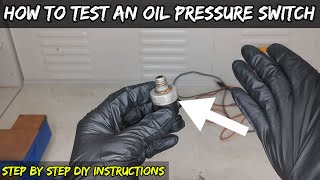
Technical Specifications
Varies by application (warning light vs. gauge). Most are single-terminal switches or senders. Thread size is typically 1/8" NPT.
We Have This Part in Stock


The information in this article is provided for general reference and educational purposes only. Vehicle specifications, procedures, and part compatibility can vary by production date, trim level, and region. Always consult your vehicle's factory service manual and verify part numbers before purchasing or performing repairs. Safety-critical components such as airbags, seat belts, and braking systems should be installed by a qualified professional.
- 🎬 Helpful Videos
- 🛍️ Shop This Part
- Is Your Firebird's Oil Pressure Gauge Lying to You?
- Symptoms of a Failing Oil Pressure Switch
- Important Note on Warning Lights
- Known Issues for 1977-1982 Firebirds
- Choosing the Right Aftermarket Switch
- Brand Quality Comparison
- Installation Tip
- Frequently Asked Questions
- 🎟️ Get 5% Off