

Engine Timing Set: A Guide for the 1977-1982 Pontiac Grand Prix
Understanding the common timing set issues in your Grand Prix is the first step to restoring its performance and reliability.
- You MUST identify your specific engine (Pontiac, Chevy, Olds, Buick) before ordering, as timing sets are not interchangeable.
- The original factory timing set with a nylon cam gear is a known failure point; replacing it with any all-metal aftermarket set is a crucial reliability upgrade.
- Symptoms of failure include engine rattle, poor performance, and plastic/metal shavings in the oil.
- Driving with a suspected bad timing chain is not recommended, as a failure can cause catastrophic and expensive engine damage.
First, Identify Your Engine
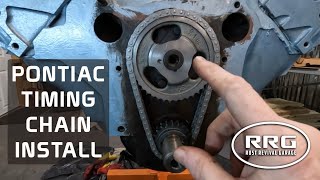
Before buying a new timing set, you must know which engine is in your 1977-1982 Grand Prix. During this period, GM used several different engines across its brands. Your car could have a Pontiac V8 (like the 301 or 350), a Chevrolet V8, an Oldsmobile V8, or a Buick V6. Parts are not interchangeable. A key identifier for a Pontiac V8 is a single bolt in the center of the camshaft sprocket. 🎬 Watch: Step-by-step guide to replacing your Pontiac timing chain Check your vehicle's documentation or engine block codes to be certain.
The Original Nylon Gear Problem
Many factory Pontiac V8 engines of this era were built with a camshaft sprocket that had nylon-coated teeth. This design was intended to make the engine run quieter. However, after decades of heat and oil exposure, this nylon becomes brittle, cracks, and breaks off. The pieces fall into the oil pan and can clog the oil pump pickup screen, starving the engine of oil and causing major failure. Because of this known issue, almost any aftermarket timing set with all-metal gears is a significant upgrade in durability.
Symptoms of a Failing Timing Set
If your original timing set is wearing out, you'll likely notice one or more of these signs:
🎬 See a breakdown of common bad timing chain symptoms- Engine Rattle: A rattling or scraping noise from the front of the engine is the most common symptom. It is often most noticeable when the engine is idling or during a cold start.
- Poor Performance: As the chain stretches, it can slightly alter the valve timing. This can cause a loss of power, rough idling, and engine misfires.
- Metal or Plastic in Oil: During an oil change, you might find small pieces of nylon from the original cam gear or metal shavings from a worn chain in the oil pan. This is a definite sign of a problem.
- Wandering Ignition Timing: If you check the ignition timing with a timing light, a stretched chain will cause the timing mark on the harmonic balancer to jump around erratically.
Choosing the Right Aftermarket Timing Set
With the original nylon gears being a liability, replacing your timing set is a smart move. The brands available offer different levels of quality and performance.
Standard & OE-Quality Replacements
For a daily driven or stock Grand Prix, a quality standard replacement set is an excellent choice. These are far more durable than the original nylon-toothed parts.
- Cloyes, Melling, and Sealed Power: These brands are well-respected for providing durable, reliable timing components that meet or exceed original specifications. They are the go-to choice for most stock rebuilds and offer excellent value and longevity. While Cloyes is a top name, some users have noted that Melling can sometimes have tighter tolerances on their standard sets.
Performance Street Upgrades
If you have modified your engine with a performance camshaft or plan to drive it hard, a more robust timing set is a good investment.
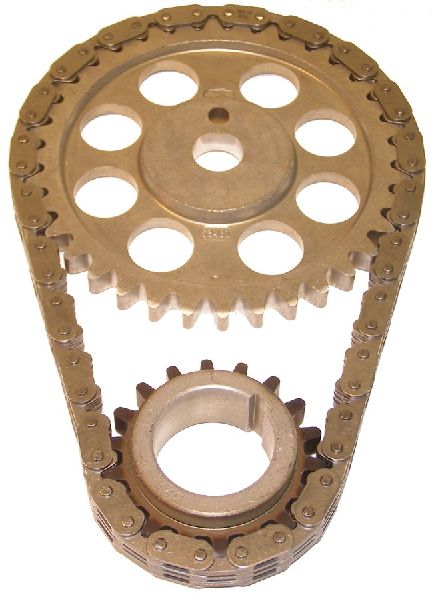
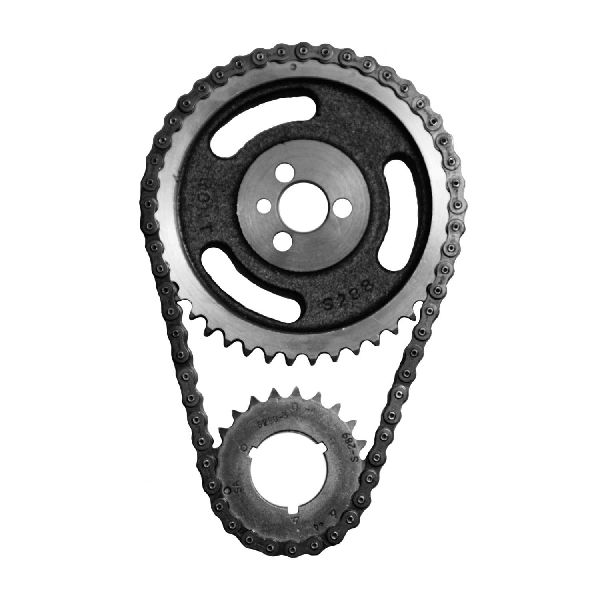
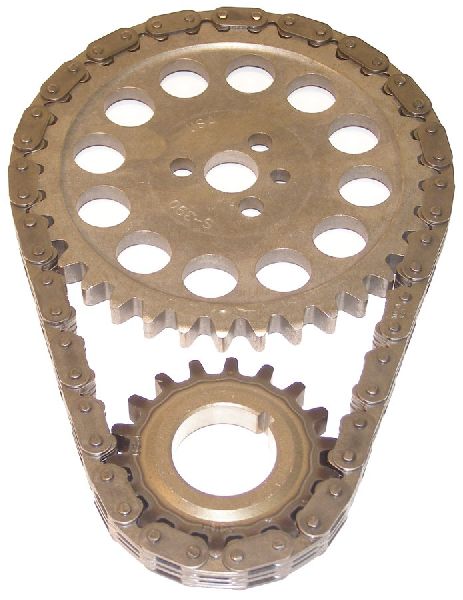
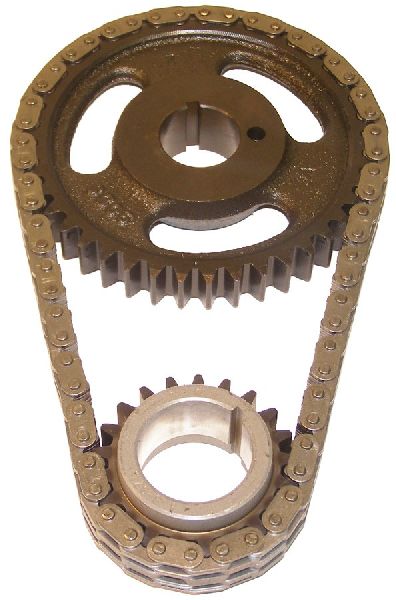
- Melling Select Performance & Cloyes True-Roller: These product lines typically feature double-roller chains and all-steel sprockets. A double-roller chain is stronger and less prone to stretching under high-RPM or high-load conditions. Many performance sets also offer multiple keyways on the crank sprocket, allowing for precise camshaft timing adjustments.
- Edelbrock: Edelbrock also offers performance-oriented double-roller sets. However, owner experiences are mixed. While some have had good long-term results, others have reported quality control issues like improperly machined gears that do not fit correctly.
Pro Tip: Always replace the timing chain and both sprockets as a matched set. Installing a new chain on old, worn sprockets will cause the new chain to wear out very quickly.
Cost of a New Engine Timing Set (1977-1982 Pontiac Grand Prix)
| Part Type | Estimated Cost |
|---|---|
| New Aftermarket Timing Set | $24 - $296 |
| Shop Labor for Installation | $400 - $750 |
Cost estimates are for parts and labor only and do not include taxes, fees, or costs for other related repairs.
Frequently Asked Questions (FAQ)
Was there a recall for the timing set on the 1977-1982 Grand Prix?
No, there were no official recalls or Technical Service Bulletins (TSBs) from Pontiac or the NHTSA for the failing nylon timing gears on these vehicles. The issue is well-known in the Pontiac community but was never addressed with a formal recall program.
How can I be sure I'm ordering the right timing set?
The most important step is to correctly identify your engine. The timing set for a Pontiac 301 V8 is different from one for a Chevy 350 V8. Check engine block casting numbers or consult a mechanic if you are unsure. Providing your vehicle's VIN when ordering can help, but physical verification of the engine is best for older cars like these.
Should I get a standard chain or a double-roller chain?
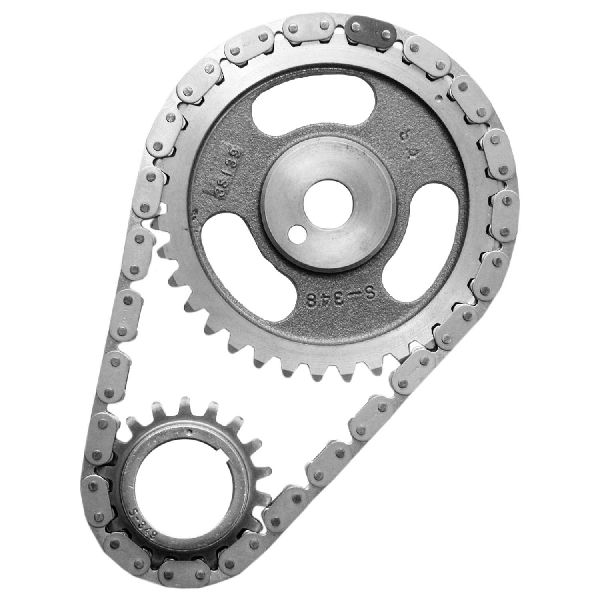
For a stock engine used for normal driving, a quality standard "link belt" or silent-type chain set from a reputable brand like Melling or Cloyes is perfectly adequate and a huge upgrade over the original. If you have a high-performance camshaft, stiffer valve springs, or plan on racing, a double-roller chain is recommended for its superior strength and resistance to stretching.
Can I replace the timing set myself?
This job is possible for an experienced DIY mechanic. It requires draining the coolant, removing the radiator, water pump, harmonic balancer, and front engine cover. Special tools, like a harmonic balancer puller, are needed. The most critical part of the installation is correctly aligning the timing marks on the crankshaft and camshaft sprockets. If you are not comfortable with this level of work, it is best to have it done by a professional shop.
🎬 Watch: How to correctly install the timing chain coverHelpful Videos
Technical Specifications
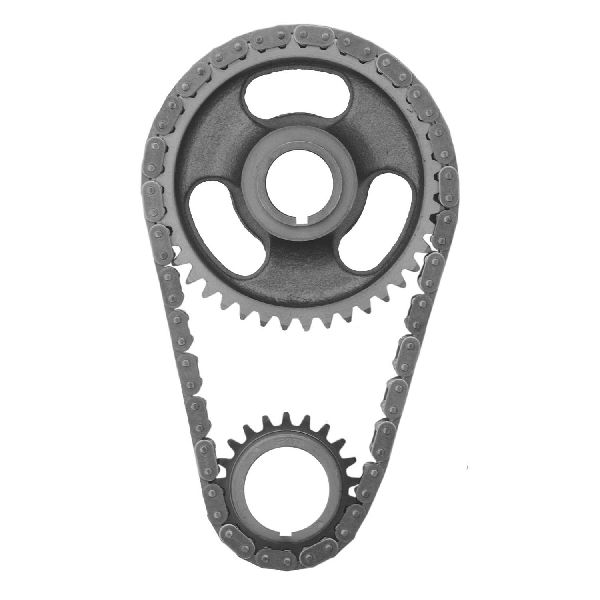
Vehicle may be equipped with a Pontiac, Chevrolet, Oldsmobile, or Buick engine. Pontiac V8 engines use a timing set with a single-bolt camshaft sprocket. Aftermarket options include standard link-belt chains and heavy-duty double-roller chains.
We Have This Part in Stock

The information in this article is provided for general reference and educational purposes only. Vehicle specifications, procedures, and part compatibility can vary by production date, trim level, and region. Always consult your vehicle's factory service manual and verify part numbers before purchasing or performing repairs. Safety-critical components such as airbags, seat belts, and braking systems should be installed by a qualified professional.
- 🎬 Helpful Videos
- 🛍️ Shop This Part
- First, Identify Your Engine
- The Original Nylon Gear Problem
- Symptoms of a Failing Timing Set
- Choosing the Right Aftermarket Timing Set
- Standard & OE-Quality Replacements
- Performance Street Upgrades
- Cost of a New Engine Timing Set (1977-1982 Pontiac Grand Prix)
- Frequently Asked Questions (FAQ)
- 🎟️ Get 5% Off