

Chrysler New Yorker Engine Water Pump Guide (1977-1983)
Keep your classic Chrysler's engine from overheating by choosing the right water pump.
- You must buy a pump that matches your specific engine (Slant 6 or V8) as they are not interchangeable.
- Driving with a bad water pump is not recommended as it can lead to catastrophic engine damage from overheating.
- Since OEM parts are unavailable, a new aftermarket pump is the standard replacement. Brands like Gates or Dayco offer a good balance of price and quality.
- While replacing the pump, it is highly recommended to also replace the thermostat, belts, and coolant hoses.
Understanding Your New Yorker's Water Pump
The 1977-1983 Chrysler New Yorker models used several different engines, primarily the 225 Slant 6, 318 V8, and 360 V8. While these engines are different, they all rely on a simple, mechanically driven water pump mounted to the front of the engine. This part is crucial for engine health. When it fails, it can no longer circulate coolant, causing the engine to overheat quickly, which can lead to severe damage like warped cylinder heads or a blown head gasket.
Engine-Specific Parts
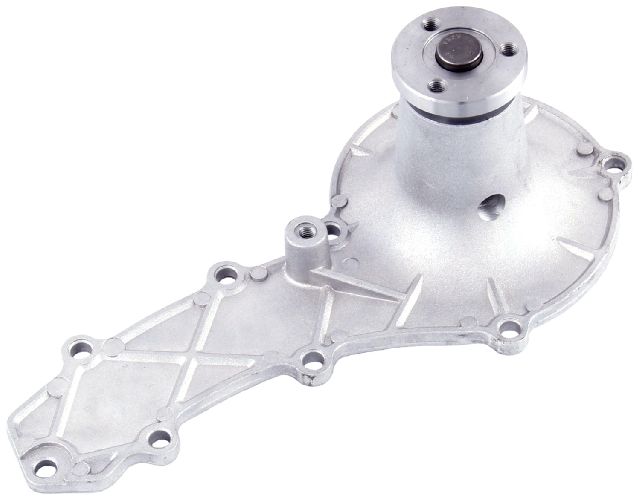
The water pump for a Slant 6 engine is different from one for a V8. Always confirm that the part you are buying is listed for your specific engine size and year. The 1983 model year is particularly tricky as Chrysler introduced a new front-wheel-drive platform alongside the traditional rear-wheel-drive models; parts are not interchangeable.
Signs of a Failing Water Pump
A failing water pump on your New Yorker will give you clear warning signs. Do not ignore them.
- Coolant Leaks: This is the most common symptom. You might see puddles of green or orange fluid under the front of your engine. A slow leak might leave a crusty trail of dried coolant running down from the pump's "weep hole," a small hole designed to leak when the internal seal fails.
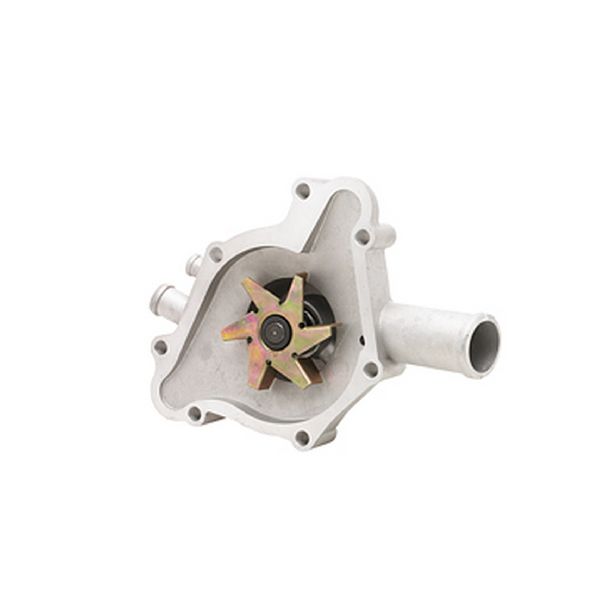
- Overheating Engine: If your temperature gauge climbs into the red zone, the pump may not be circulating coolant. This can be due to a corroded or broken internal impeller.
- Unusual Noises: A high-pitched squeal or a low, grinding noise from the front of the engine that changes with engine speed can indicate a failing water pump bearing.
- Wobbly Fan/Pulley: With the engine off, try to move the fan attached to the water pump. If there is noticeable wobble or play, the bearing inside the pump is worn out and failure is imminent.
Choosing a New Aftermarket Water Pump
Original Chrysler (Mopar) water pumps for this era are generally not available as new parts. You will be buying a new aftermarket pump, which is the standard and most practical choice for these vehicles. Quality can vary, so it's helpful to understand the brands.
Brand Tiers
- Standard/OE Quality (Good): Brands like Gates, Dayco, and ACDelco are well-known and generally provide reliable, affordable replacement parts that meet or exceed original specifications. They offer a good balance of quality and price for a daily driver or stock vehicle.
- Economy (Acceptable): Brands such as GMB, US Motor Works, and WJB often provide the most budget-friendly options. While functional, some user reviews suggest being cautious, as quality can sometimes be inconsistent with casting or components. These may be suitable for a limited-use vehicle where budget is the primary concern.
- Performance/High-Flow (Better): Brands like Edelbrock and other high-flow specialists (e.g., FlowKooler) are popular in the Mopar community. They often feature improved impeller designs for better coolant flow, especially at low RPMs and in traffic. This can be a worthwhile upgrade if you experience cooling issues or have a modified engine.
| Brand Tier | Estimated Price Range |
|---|---|
| Economy (GMB, US Motor Works, WJB) | $33 - $50 |
| Standard (Gates, Dayco, ACDelco) | $45 - $75 |
| Performance (Edelbrock, Proform, PRW) | $70 - $98+ |
Pro Tip: While You're In There
Replacing the water pump is the perfect time to also replace the thermostat, radiator hoses, and fan belts. These items are inexpensive and you'll already have the cooling system drained and accessible. It's cheap insurance against future problems.
Frequently Asked Questions
Is it hard to replace the water pump myself?
For someone with mechanical experience and the right tools, this is a very doable DIY project. Access on these older, rear-wheel-drive cars is generally good. The job involves draining the coolant, removing belts, the fan, and the pulley, then unbolting the pump. The most critical step is thoroughly cleaning the old gasket material from the engine block to ensure a leak-free seal with the new pump.
Do I need a special high-flow water pump?
For a stock engine in good condition, a standard replacement pump is usually sufficient. However, if you live in a hot climate, frequently sit in traffic, or if your New Yorker tends to run warm, a high-flow pump from a brand like Edelbrock or FlowKooler can provide extra cooling efficiency and peace of mind.
Should I use a sealant on the new gasket?
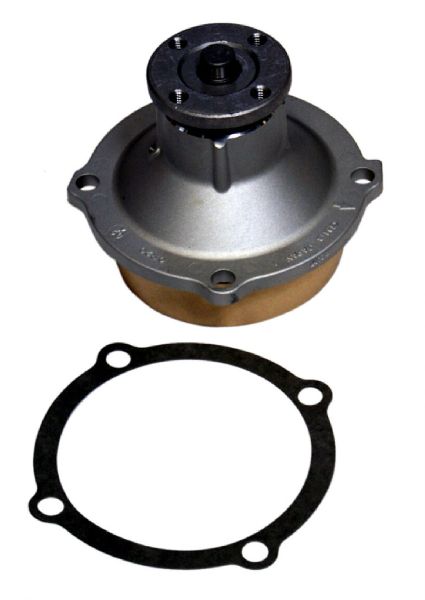
It depends on the gasket type. Some modern gaskets are designed to be installed dry. However, many mechanics apply a very thin layer of RTV silicone sealant to both sides of the gasket to help hold it in place and ensure a good seal. Always follow the instructions included with your new water pump.
Were there any recalls for the water pump on these cars?
No recalls or widespread Technical Service Bulletins (TSBs) were found for the water pump on the 1977-1983 Chrysler New Yorker. Any issues you experience now are due to the age and wear of the original or replacement components.
Technical Specifications
OEM Part Numbers: 3780108 3780109 4106034 4131243 2808679
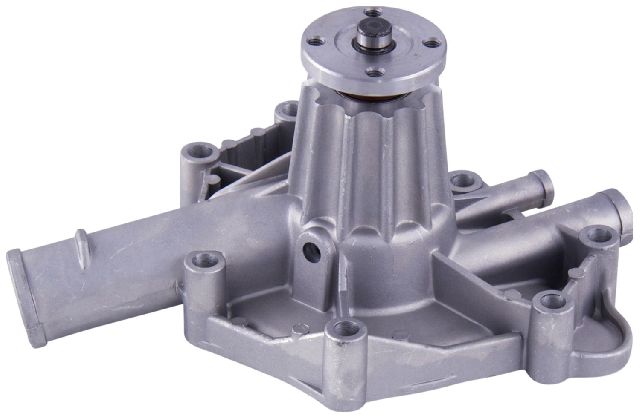
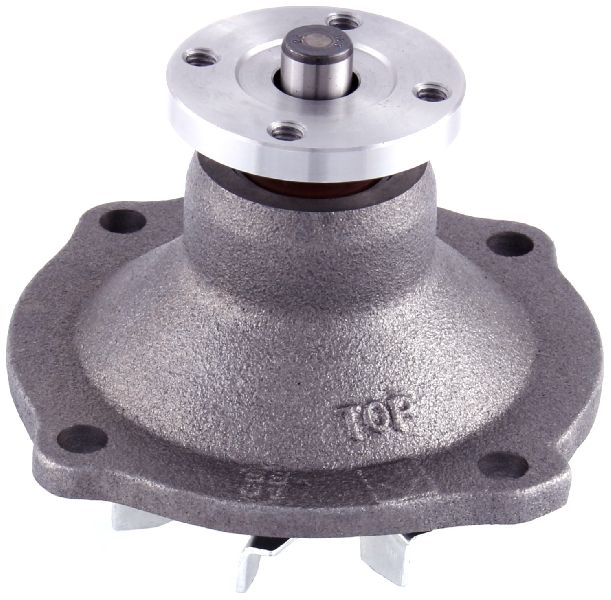
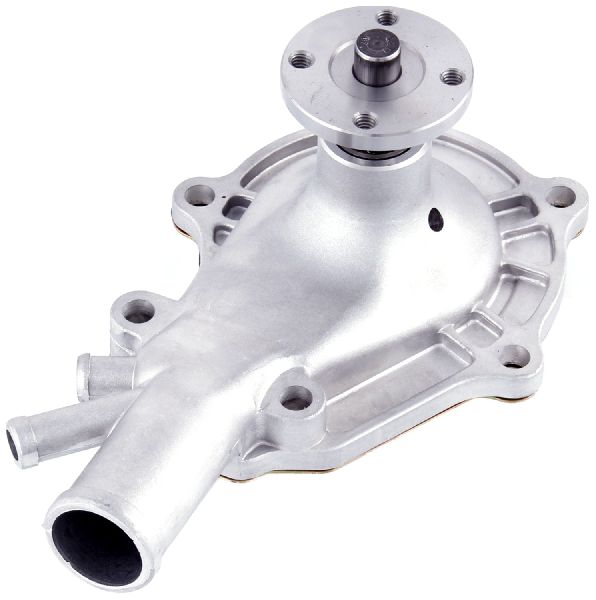
Fitment is specific to the engine type (225ci Slant 6, 318ci V8, 360ci V8) and sometimes the presence of air conditioning. The key difference is the housing shape and the position of the lower radiator hose outlet (driver's side for V8s). Impeller material can be stamped steel, cast iron, or aluminum.
We Have This Part in Stock

The information in this article is provided for general reference and educational purposes only. Vehicle specifications, procedures, and part compatibility can vary by production date, trim level, and region. Always consult your vehicle's factory service manual and verify part numbers before purchasing or performing repairs. Safety-critical components such as airbags, seat belts, and braking systems should be installed by a qualified professional.