

Ford F-100 Ignition Coil Guide: 1977-1983
Everything you need to know about choosing the right new ignition coil for your classic Ford truck.
- Symptoms like stalling when hot and no-start are very common, but can also be caused by a bad Dura-Spark ignition module.
- For a stock truck, a standard aftermarket coil from a reputable brand like NGK is a reliable and sufficient choice; expensive performance coils are not necessary.
- Replacement is extremely easy and can be done in under 30 minutes with basic tools, making it an ideal DIY task.
- New OEM Ford parts are generally unavailable; new aftermarket coils are the standard and accepted replacement option.
Is Your Ignition Coil Failing? Common Symptoms
A bad ignition coil on these older Ford trucks will cause problems you'll definitely notice. Because one coil provides spark for the entire engine, a failure will affect everything, not just one cylinder like in modern vehicles. Watch for these signs:
- No-Start or Hard Starting: The most common symptom. The engine cranks over but won't fire up, or it takes a very long time to catch. A completely dead coil means no spark at all.
- Engine Stalling: The truck might start and run, then suddenly die, especially after it warms up. This can be a classic sign of the coil overheating and failing internally.
- Rough Idle and Misfires: The engine may shake, sputter, or run unevenly. You might hear coughing sounds or feel vibrations that weren't there before.
- Poor Performance and Power Loss: Your truck may feel sluggish and weak when you accelerate. It might struggle to get up to speed or maintain power on hills.
- Backfiring: Loud bangs from the exhaust can happen when unburned fuel from a misfire ignites in the hot exhaust pipes.
Pro Tip: Check the Ignition Module First!
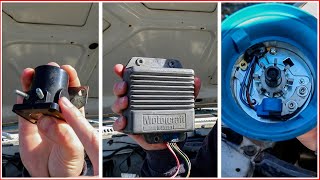
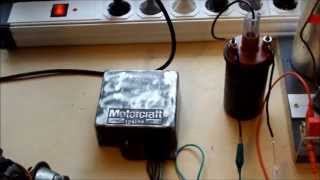
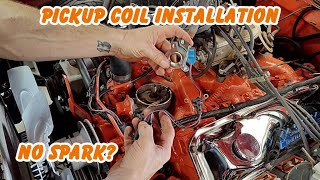
Many ignition coil symptoms are identical to the symptoms of a failing Dura-Spark ignition control module. This module, usually a silver box mounted on the driver's side inner fender, is a very common failure point on these trucks. Forum users and mechanics frequently report that the module fails more often than the coil. Before you spend money on a new coil, it's wise to test 🎬 Watch this guide on how to bench test your ignition module. or replace the ignition module, especially if your truck dies when it gets hot and restarts after cooling down.
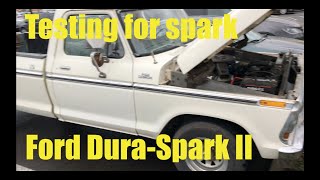
🎬 See how to troubleshoot the Dura-Spark system if your truck stalls.Choosing the Right Aftermarket Coil
Finding a new OEM Motorcraft coil for a truck this age is nearly impossible. The standard for repair is a new aftermarket part. For a daily driver or work truck with a stock engine, you don't need an expensive high-performance coil. A quality standard replacement is perfectly fine. Here’s a look at the available brands:
- Tier 1: OEM Quality (NGK): NGK is a well-respected brand known for making high-quality ignition components that meet or exceed original specifications. If you want a reliable, fit-and-forget part that you can trust, NGK is a solid choice.
- Tier 2: Performance Upgrade (Accel): Accel is known for performance parts, and their coils often claim higher voltage output for a "hotter" spark. While some owners of modified engines prefer them, forum discussions show that for a stock F-100, there's little to no noticeable performance gain, and some have even reported idle issues. They are a valid option but not a necessary upgrade.
- Tier 3: Standard Replacement (Spectra, Walker Products): Brands like Spectra and Walker offer affordable, standard replacement coils. They are popular budget-friendly choices. However, some user reviews and forum posts mention mixed results with long-term reliability compared to higher-tier brands. They can be a good option if budget is the main concern.
| Part Type | Price Range | Notes |
|---|---|---|
| New Aftermarket | $27.06 - $48.91 | The standard replacement. Price varies by brand. |
| New OEM (NOS) | $100+ | Very rare, typically only found through specialty sellers. Not necessary for most owners. |
| Used OEM | $10 - $30 | Available at salvage yards, but not recommended due to unknown age and condition. |
| Shop Labor | $50 - $100 | Replacement is very fast, so labor should be minimal (0.5-1.0 hours). |
Frequently Asked Questions (FAQ)
Is it hard to replace the ignition coil on my F-100?
No, it's very easy. The coil is typically mounted on the engine with a simple bracket. You just need to disconnect the battery, unplug two small wires, unplug the main spark plug wire from the distributor, and unbolt the bracket. It's a great DIY job that usually takes less than 30 minutes with basic hand tools.
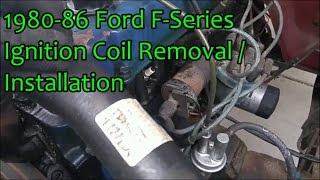
🎬 Watch this quick walkthrough of the ignition coil replacement process.Are there any recalls for the ignition coil on this truck?
No. A search of the National Highway Traffic Safety Administration (NHTSA) database shows no recalls for the ignition coil on the 1977-1983 Ford F-100. This is expected for a vehicle of this age.
Do I need a high-performance or high-voltage coil?
For a stock engine, no. The original Dura-Spark system is very capable, and a standard replacement coil provides plenty of spark. A high-voltage coil won't provide a noticeable increase in power or fuel economy on an otherwise stock truck. Save your money unless you have a highly modified engine.
What other parts should I check or replace with the coil?
Since you're working on the ignition system, it's a good time to inspect other related parts. Check the distributor cap and rotor for cracks, corrosion, or carbon tracking. Also, inspect the spark plug wires for cracks or damage. If these parts are old, replacing them along with the coil is good preventative maintenance. And remember to check the ignition module first!
Helpful Videos
Technical Specifications
OEM Part Numbers: FD476
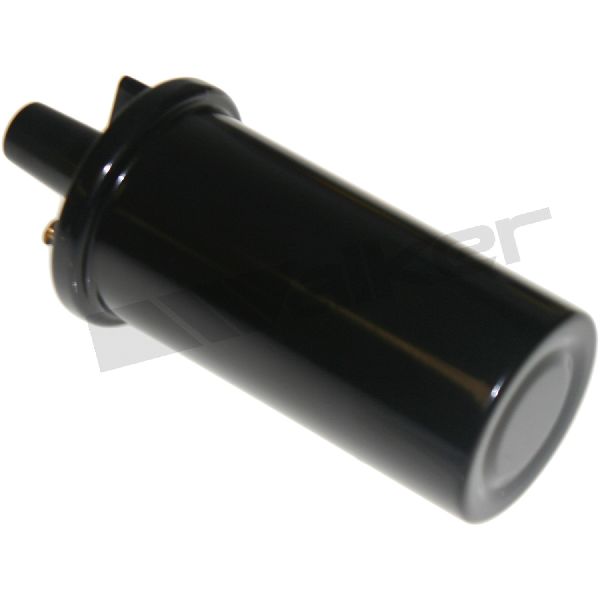
This vehicle uses a single, external, oil-filled canister-style ignition coil with two male primary terminals. It is compatible with Ford's Dura-Spark electronic ignition system.
We Have This Part in Stock

The information in this article is provided for general reference and educational purposes only. Vehicle specifications, procedures, and part compatibility can vary by production date, trim level, and region. Always consult your vehicle's factory service manual and verify part numbers before purchasing or performing repairs. Safety-critical components such as airbags, seat belts, and braking systems should be installed by a qualified professional.