

A Guide to Replacing the Starter on Your 1977-1983 Ford F-100
Don't let a bad starter leave you stranded; understand the common issues and find the right part for your classic Ford truck.
- The fender-mounted solenoid is a common failure point and should be replaced with the starter.
- Always test the battery and check for clean, tight cable connections before replacing the starter.
- Heat soak, which causes slow cranking when the engine is hot, is a well-known issue with these trucks.
- Starter replacement is a very feasible DIY job for most owners, requiring only basic tools.
Is Your F-100 Starter Failing?
The original starters on these trucks are now over 40 years old and prone to failure. Recognizing the signs early can save you from being stranded. The most common issue is "heat soak," where the starter gets hot from the nearby exhaust manifold, increases its electrical resistance, and struggles to crank a warm engine. It might start fine again after cooling down for 15-30 minutes.
Common Failure Symptoms:
- Single Loud Click, No Crank: This is a very common symptom for these trucks. It often points to the fender-mounted starter solenoid, but it can also mean the starter itself has failed.
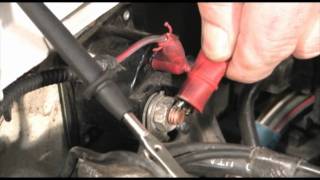
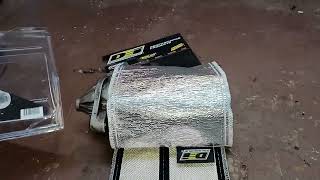
- Slow Cranking (Especially When Hot): If the engine turns over sluggishly, like the battery is weak, it's a classic sign of heat soak affecting the starter. 🎬 Watch: How to fix starter heat soak for under $30.
- Grinding or Whirring Noise: A grinding sound during cranking can indicate a problem with the starter gear or the flywheel teeth. A high-pitched whirring after the engine starts could mean the starter is not disengaging properly.
- No Noise, No Crank: If you turn the key and nothing happens, the issue could be a dead battery, bad cables, a failed solenoid, or a completely dead starter.
Don't Forget the Solenoid!
The fender-mounted starter solenoid is a frequent point of failure and is often the real cause of a no-start condition. Aftermarket solenoids are known for having inconsistent quality. Because it's an inexpensive part, it is highly recommended to replace the solenoid whenever you replace your starter to ensure the reliability of the entire starting circuit.
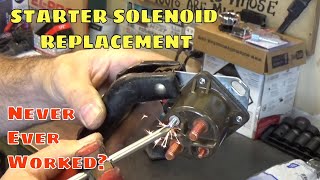
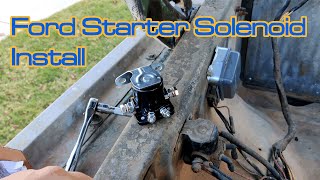
🎬 See how to test and replace your fender-mounted solenoid.Choosing the Right Aftermarket Starter
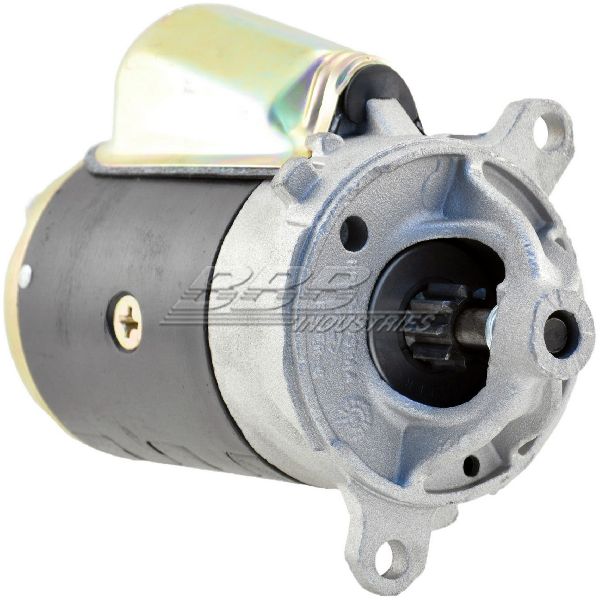
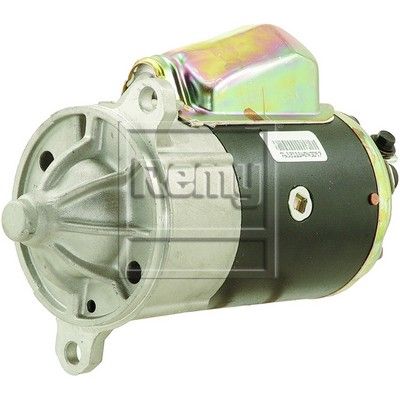
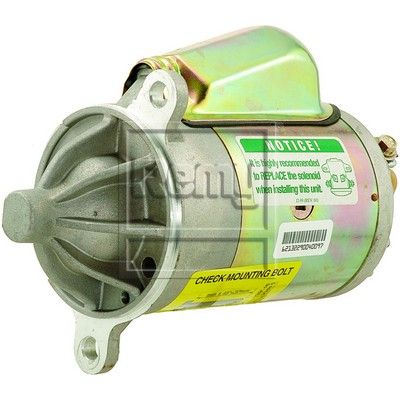
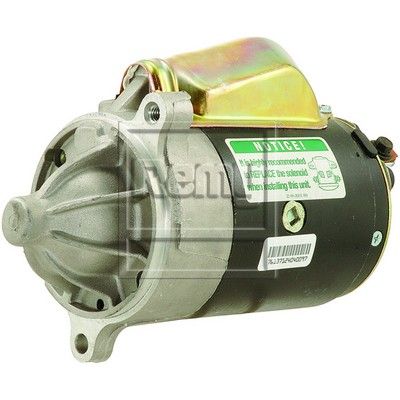
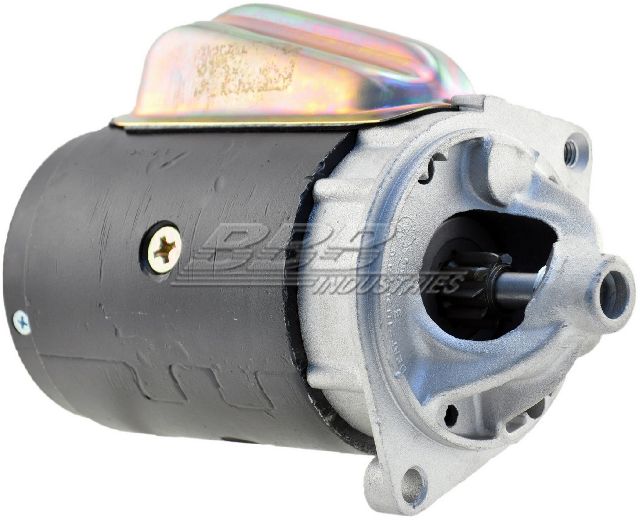
For a 1977-1983 F-100, new OEM (Original Equipment Manufacturer) parts are generally not available. The market is served by new and remanufactured aftermarket brands. While aftermarket quality can sometimes be a concern, for a vehicle of this age, they are the most practical and available option. Brands like Bosch and Remy are established names in the aftermarket, while WAI Global and BBB Industries also supply parts for these trucks. Owner reviews suggest that quality can be inconsistent across all aftermarket brands, so opting for a part with a good warranty is a wise choice.
| Part Type | Estimated Price Range |
|---|---|
| New Aftermarket Starter | $111.07 - $189.74 |
| Remanufactured Starter | $75 - $205 |
| Fender-Mounted Solenoid | $20 - $40 |
| Shop Labor for Installation | $100 - $250 |
Pro Tip: Check the Basics First
Before buying a new starter, make sure your battery is fully charged and have it tested. Clean the battery terminals and all ground connections, as corrosion and loose cables are a very common cause of starting problems on these trucks. A bad ground connection can make a good starter seem faulty.
Frequently Asked Questions (FAQ)
Is replacing the starter on an F-100 a difficult job?
No, for most 1977-1983 F-100s, this is a straightforward DIY job that can be done in about an hour with basic hand tools. It involves disconnecting the battery, raising the truck for access, removing two main bolts, and detaching the main power cable.
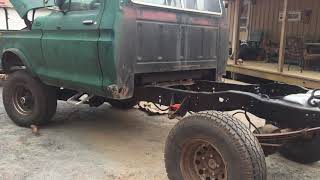
🎬 Watch: Step-by-step guide to removing and replacing your F-100 starter.My truck just clicks once. Is it the starter or the solenoid?
A single, loud click usually points to the fender-mounted solenoid. This means the solenoid is receiving the signal from the key but is either failing to send power to the starter, or the starter itself is dead. Rapid clicking, on the other hand, usually indicates a weak battery.
Are there any recalls or bulletins for the starter on my truck?
Searches of the NHTSA database and for Technical Service Bulletins (TSBs) did not find any specific recalls or TSBs related to the starter motor or solenoid for the 1977-1983 Ford F-100. Recalls for this model year focused on other areas like the carburetor and steering gear.
What is 'starter run-on' and what should I do?
If your starter motor continues to run after the engine has started, it's a sign the solenoid is stuck in the 'on' position. This is a critical failure that can quickly destroy the starter and damage the engine's flywheel. If this happens, disconnect the battery immediately to prevent further damage.
Helpful Videos
Technical Specifications
OEM Part Numbers: D7TZ-11002-A E0TZ-11002-B E3TZ-11002-B
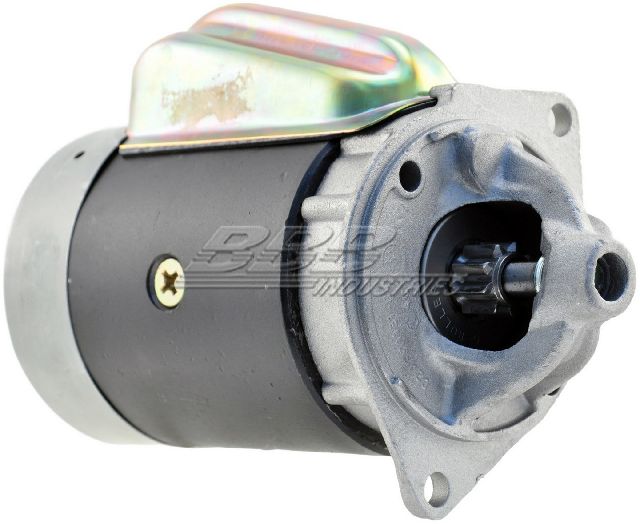
The 1977-1983 Ford F-100 uses an external, fender-mounted starter solenoid, separate from the starter motor itself. The starter is typically a direct-drive design, though modern aftermarket replacements may be a more efficient gear-reduction type. It mounts to the engine block with two bolts.
We Have This Part in Stock

The information in this article is provided for general reference and educational purposes only. Vehicle specifications, procedures, and part compatibility can vary by production date, trim level, and region. Always consult your vehicle's factory service manual and verify part numbers before purchasing or performing repairs. Safety-critical components such as airbags, seat belts, and braking systems should be installed by a qualified professional.