

Choosing the Right Spark Plug Wire Set for Your 1977-1983 Ford F-250
Get your classic Ford V8 or inline-six running smoothly by picking the perfect spark plug wire set.
- Always replace spark plug wires as a complete set, one wire at a time, to avoid mixing up the firing order.
- For this generation F-250, aftermarket brands like MSD, Accel, and Taylor offer excellent performance, while NGK and Standard provide reliable OEM-quality replacements.
- Ensure the wire set you buy is specifically for your truck's engine (351M, 400, 460, etc.) to guarantee correct lengths.
- Use dielectric grease inside the boots to seal out moisture and make future removal easier.
Signs of Failing Spark Plug Wires on Your F-250
The ignition system on these classic Ford trucks is simple but tough. However, the spark plug wires live in a harsh environment. Exposed to high engine heat and vibration, they eventually wear out. When they start to fail, you'll notice.
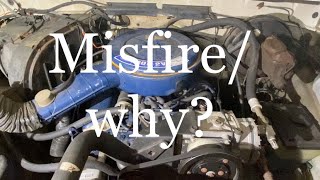
- Rough Idle: The engine may shake or vibrate more than usual when you're stopped. This happens because one or more cylinders isn't firing consistently. 🎬 Watch: Troubleshooting a misfire and rough idle on a 351M
- Engine Misfires: You might feel a stutter or hesitation from the engine, especially when you accelerate. This is a classic sign that spark isn't reaching a plug reliably.
- Reduced Power and Fuel Economy: If your truck feels sluggish or you're filling up the tank more often, weak spark could be the cause. An engine that doesn't burn its fuel completely wastes both gas and power.
- Difficulty Starting: Worn wires can make it harder for the engine to turn over, especially in damp weather. The weak spark struggles to ignite the fuel mixture.
- Visible Damage: Pop the hood and look at the wires. If you see any cracks, burns, or melted spots on the wire insulation or boots, it's time for a new set. Sometimes you can even see a faint blue spark arcing from a bad wire to a metal engine part in the dark.
Known Issues for This Generation
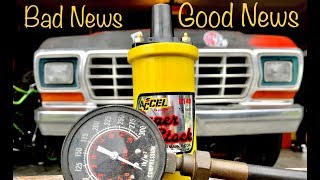
While no specific recalls or Technical Service Bulletins (TSBs) for spark plug wires on 1977-1983 F-250s are active, problems with the ignition system are common due to age. Forum discussions often point to the ignition control module (ICM) and ignition coil as other potential failure points that can cause similar symptoms to bad wires. If you replace your wires and still have a misfire, these are the next parts to inspect.
Choosing the Right Aftermarket Wires
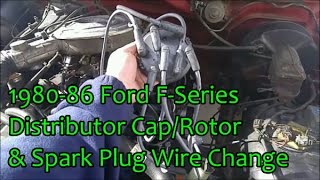
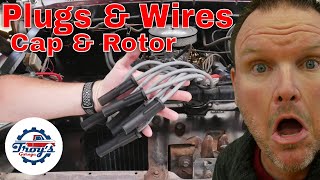
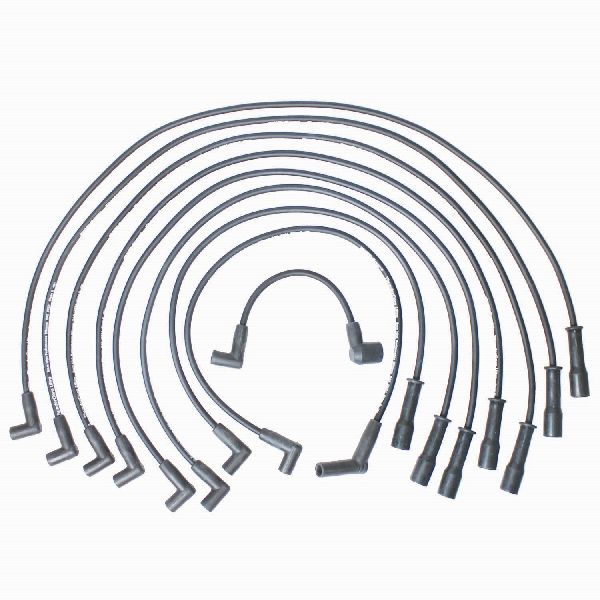
For a truck of this era, OEM Motorcraft wires can be difficult to find. The good news is that the aftermarket offers a wide range of excellent options. The key is to buy a set made specifically for your engine (e.g., 351M, 400, 460 V8, or 300 I6) to ensure the lengths are correct. 🎬 See this walkthrough for replacing wires, cap, and rotor Here’s how the brands break down:
| Brand Tier | Brands | Best For |
|---|---|---|
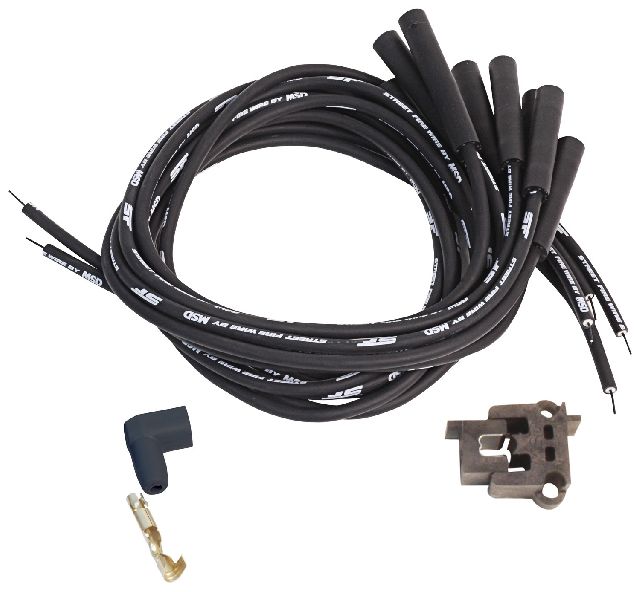
| Performance | MSD, Accel, Taylor Cable, Granatelli | Owners looking for maximum spark delivery, often for modified engines. These wires typically have very low resistance and thick 8mm or 8.5mm silicone jackets for heat protection. MSD and Taylor are frequently recommended in forums for their quality and durability. |
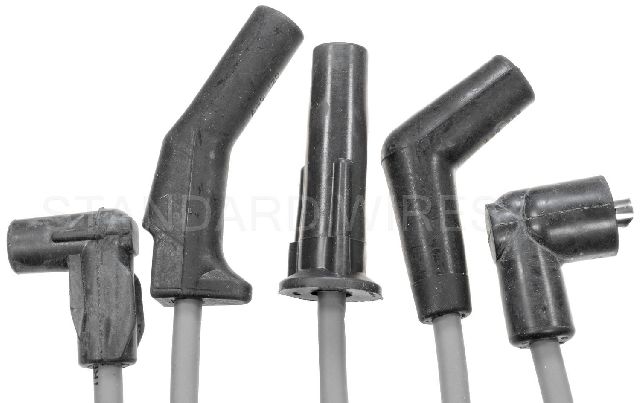
| OEM Quality | NGK, Denso, Standard (SMP) | A reliable, stock-style replacement for a daily driver or work truck. These brands focus on meeting or exceeding original factory specifications for fit and performance, providing excellent durability and radio frequency interference (RFI) suppression. |
| Value | Walker Products and other house brands | Budget-friendly options that get the job done. While they may not have the same lifespan or heat resistance as premium brands, they are a cost-effective solution for a truck that sees light duty. |
What About Wire Diameter?
You'll see wires listed as 8mm, 8.5mm, or even 10mm. A thicker wire generally has better insulation, protecting it from engine heat and preventing voltage from arcing to ground. For most stock or mildly modified F-250s, a quality 8mm wire is perfectly fine. If you have aftermarket headers that run close to the spark plugs, upgrading to a thicker wire like an MSD 8.5mm or one with ceramic boots can prevent them from melting.
Frequently Asked Questions
Do I have to replace all the wires at once?
Yes. Spark plug wires are exposed to the same heat and conditions, so they tend to degrade at the same rate. If one has failed, the others are likely not far behind. Always replace them as a complete set to ensure reliable performance.
What is dielectric grease and do I need to use it?
Dielectric grease is a non-conductive silicone grease that you should apply to the inside of the spark plug wire boots. It helps seal out moisture, prevents corrosion, and makes it much easier to remove the wires during your next tune-up. Most quality wire sets include a small packet.
Will new wires fit in my truck's original wire looms/separators?
Most standard 8mm wires will fit perfectly. If you upgrade to a thicker 8.5mm performance wire, you may need to slightly enlarge the openings on the stock plastic wire separators or purchase new ones designed for the larger diameter. Keeping wires separated is important to prevent them from cross-firing.
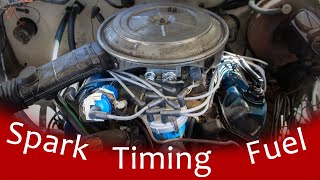
🎬 Watch: Fixing a rough idle on the Duraspark II systemHow do I make sure I don't mix up the wires during installation?
The best method is to replace the wires one at a time. Remove one old wire, match its length to a new wire from the set, apply dielectric grease, and install the new wire before moving to the next cylinder. This prevents mistakes in the firing order.
Helpful Videos
Technical Specifications
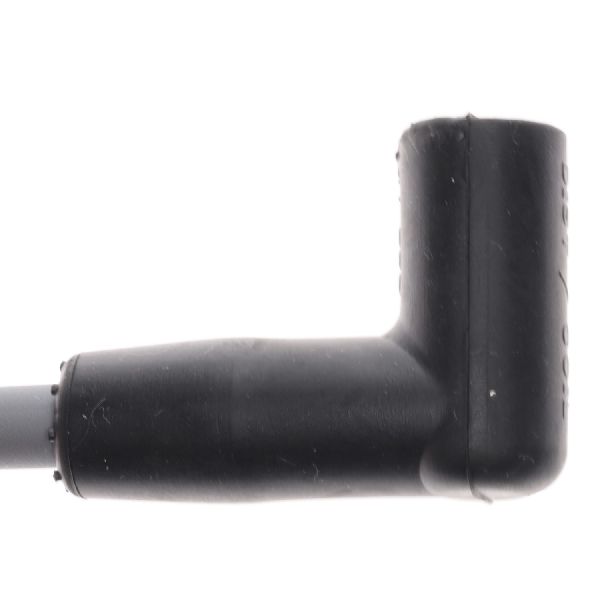
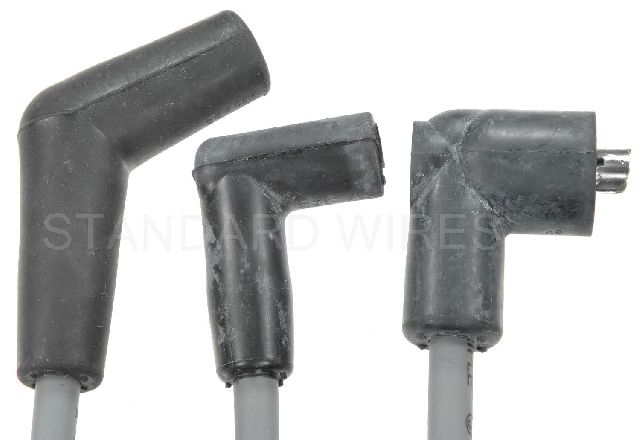
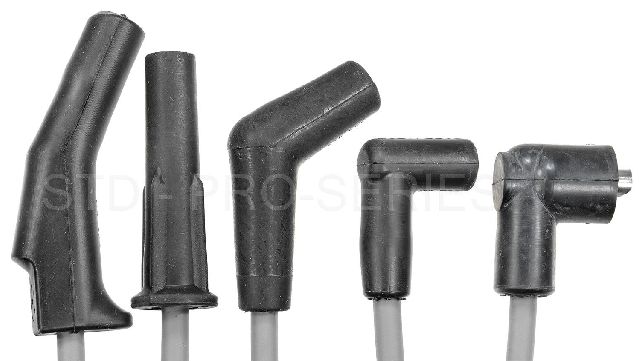
The key specifications for a 1977-1983 Ford F-250 spark plug wire set are engine-specific fitment (for V8 or I6 engines), wire core type (spiral core is common for RFI suppression), wire diameter (typically 8mm for stock, 8.5mm+ for performance), and boot material (silicone is preferred for high-heat resistance).
We Have This Part in Stock

The information in this article is provided for general reference and educational purposes only. Vehicle specifications, procedures, and part compatibility can vary by production date, trim level, and region. Always consult your vehicle's factory service manual and verify part numbers before purchasing or performing repairs. Safety-critical components such as airbags, seat belts, and braking systems should be installed by a qualified professional.