

Spark Plug Guide for the 1977-1984 BMW 320i (E21)
Keep your classic E21's M10 engine running strong by choosing the right spark plugs.
- Stick with standard copper core spark plugs from Bosch or NGK for best performance and reliability on the M10 engine.
- Avoid expensive iridium or platinum plugs, as they are unnecessary and may not work as well in this older engine design.
- Check the spark plug gap before installation; it should be between .024” and .028” (0.6-0.7 mm).
- Replacing spark plugs is a simple, inexpensive DIY job that can prevent larger issues like catalytic converter damage.
Signs of Failing Spark Plugs
Worn or fouled spark plugs can cause a number of noticeable problems in your 320i. Because these engines are from an era of simpler engine management, they are quite sensitive to the condition of the spark plugs. Ignoring these signs can lead to poor performance, reduced fuel economy, and potentially damage other components like the catalytic converter.
- Rough Idling: The engine may shake or vibrate more than usual when stopped. 🎬 See how to adjust the mixture and idle settings.
- Engine Misfires: You might feel a hesitation or stumble from the engine, especially under acceleration. 🎬 Watch this walkthrough to fix a rough idling engine. This is a very common symptom of a bad plug.
- Difficulty Starting: A weak spark makes it harder for the engine to fire up, especially when cold.
- Reduced Power and Acceleration: The car may feel sluggish or slow to respond when you press the gas pedal.
- Worse Fuel Economy: When the fuel and air mixture doesn't burn completely, your car uses more fuel than it should.
Don't Ignore Misfires
A consistent engine misfire allows unburned fuel to enter the exhaust system. This can overheat and damage your catalytic converter, which is a much more expensive repair than changing spark plugs.
Choosing the Right Aftermarket Spark Plugs
For the 1977-1984 BMW 320i, you don't need expensive, fancy spark plugs. The M10 engine was designed for simple, effective copper core spark plugs. While platinum and iridium plugs are available and offer a longer lifespan, they are not necessary for these engines and may not provide any noticeable performance benefit. In fact, some owners report that these older engines run best on the standard type of plugs they were designed for.
OEM vs. Aftermarket Quality
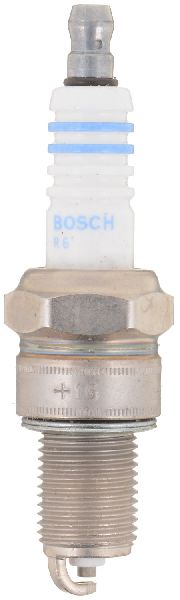
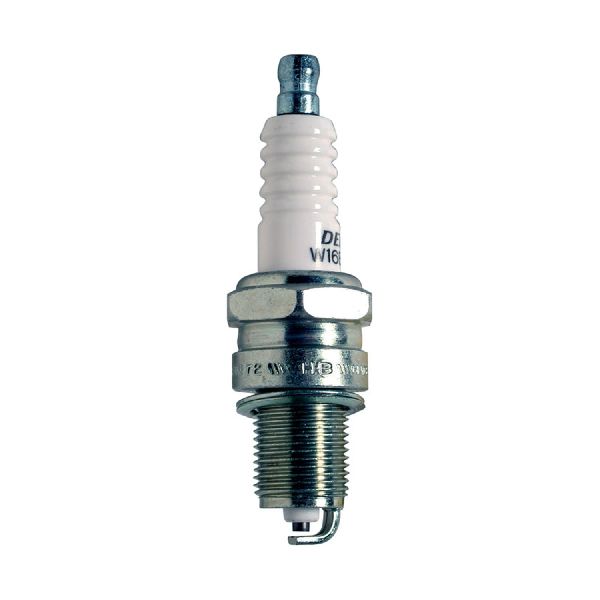
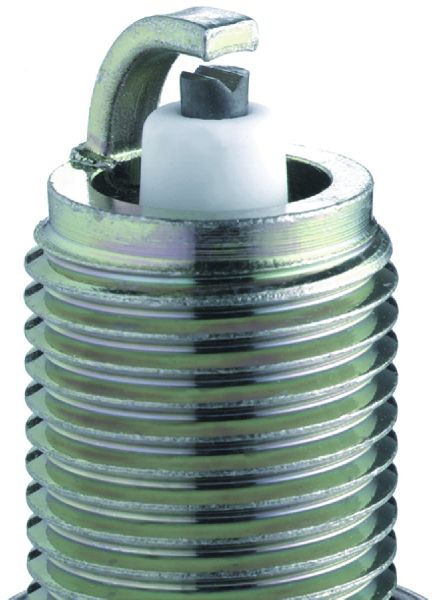
The original equipment (OEM) spark plugs for your 320i were made by Bosch. Aftermarket brands like Bosch and NGK are considered OEM-quality suppliers for BMW and are highly recommended by specialists and owners. Many owners have a slight preference for NGK, but both are excellent choices. Brands like Denso are also well-regarded, while some owners have expressed caution about using Champion plugs in their classic BMWs.
| Tier | Brands | Notes |
|---|---|---|
| Premium / OEM-Equivalent | Bosch, NGK | Both are original suppliers to BMW and are the most recommended choices for reliability and performance in the M10 engine. You cannot go wrong with either. |
| Quality Aftermarket | Denso | A well-respected Japanese brand offering quality plugs that are a suitable alternative to Bosch or NGK. |
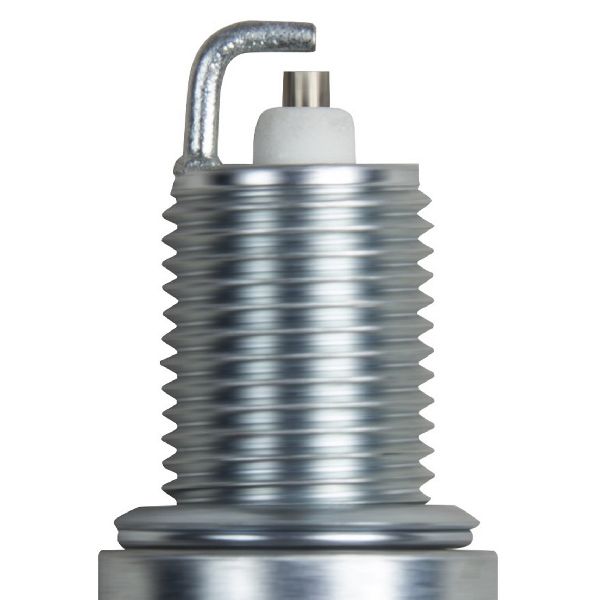
| Standard Aftermarket | Autolite, ACDelco, Champion | While functional, these brands are not typically associated with European vehicles. Some enthusiasts specifically advise against using Champion plugs. It's generally best to stick with the German or Japanese brands for a BMW. |
Pro Tip: Stick to Copper
For the E21 320i, standard copper plugs like the Bosch W9D / WR9DS or NGK BP5ES / BPR5ES are the correct choice. They are inexpensive and provide the best performance for this engine design. Save your money and avoid platinum or iridium plugs, as they can sometimes cause running issues in these older cars.
Known Issues, Recalls, and TSBs
A search of the National Highway Traffic Safety Administration (NHTSA) database and other sources shows no recalls or vehicle-specific Technical Service Bulletins (TSBs) for spark plugs on the 1977-1984 BMW 320i. Spark plugs are considered a standard maintenance item, and issues are resolved by routine replacement rather than recalls.
Frequently Asked Questions (FAQ)
What is the correct spark plug gap for a 1977-1984 BMW 320i?
The correct gap varies slightly by year. For 1977-1979 models, the recommended gap is .024” - .028” (0.6 – 0.7 mm). For 1980-1983 models, it is also .024” - .028” (0.6 – 0.7 mm). Always double-check the gap on new plugs before installation.
How often should I change the spark plugs?
For standard copper spark plugs used in this era, a good replacement interval is every 15,000 to 30,000 miles, or every 2-3 years. Since they are inexpensive and easy to change, frequent replacement is good preventative maintenance.
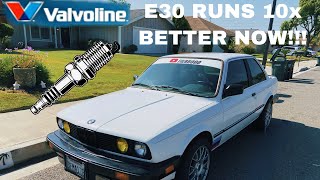
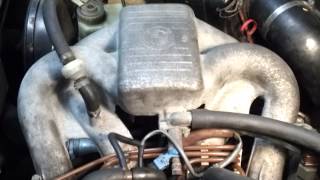
🎬 Watch this easy tune-up guide for the M10 engine.Do I need anti-seize on the new spark plug threads?
This is a topic of debate. Some mechanics apply a small amount to prevent the plugs from getting stuck in the aluminum cylinder head. However, some plug manufacturers, like NGK, advise against it because their plugs have a special plating that prevents seizing, and using anti-seize can cause you to over-tighten the plug. If you do use it, use it very sparingly and reduce the final torque setting slightly.
Do I need a special tool to change the spark plugs?
You will need a standard ratchet with an extension and a spark plug socket. For the M10 engine, this is typically a 13/16" (21mm) socket. A torque wrench is also highly recommended to ensure you tighten the new plugs correctly, usually to about 15-20 lb-ft (22-28 Nm).
Helpful Videos


Technical Specifications
OEM Part Numbers: 12121272128 12121269333
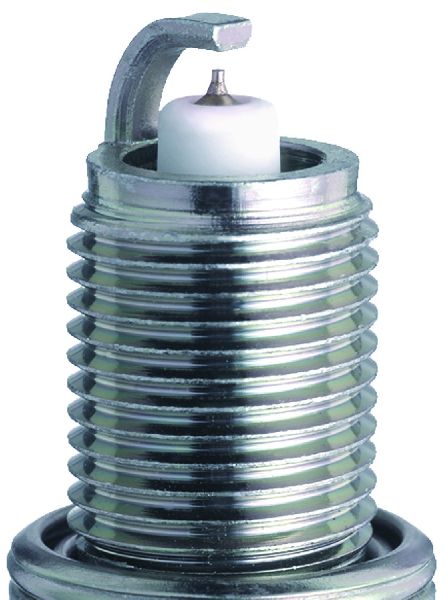
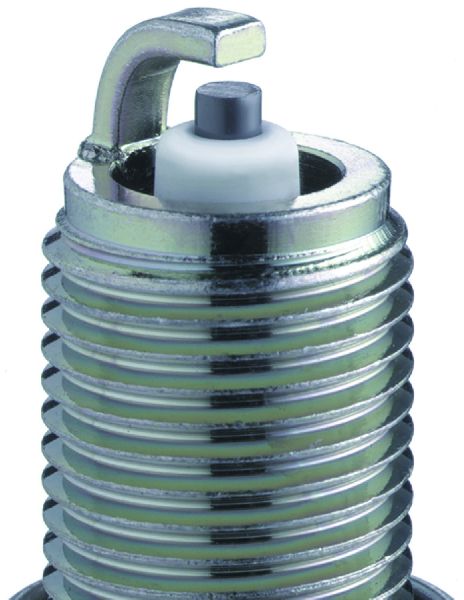
Spark Plug Type: Standard Copper Core Thread Size: M14x1.25 Thread Length: 19mm Socket Size: 13/16" (21mm) or 20.8mm Recommended Gap ('77-'83): .024" - .028" (0.6 - 0.7 mm) Recommended Brands/Models: Bosch WR9DS, NGK BPR5ES
We Have This Part in Stock

The information in this article is provided for general reference and educational purposes only. Vehicle specifications, procedures, and part compatibility can vary by production date, trim level, and region. Always consult your vehicle's factory service manual and verify part numbers before purchasing or performing repairs. Safety-critical components such as airbags, seat belts, and braking systems should be installed by a qualified professional.