

Engine Oil Pressure Switch Guide for the 1977-1984 Dodge D150
Fix your flickering oil light or faulty gauge with this guide to choosing and replacing the right oil pressure switch for your classic Dodge truck.
- A flickering light or faulty gauge is the most common symptom, but always verify actual oil pressure with a mechanical gauge before replacing the switch.
- If you see oil leaking directly from the switch body, it has failed and must be replaced.
- Replacement is a simple DIY job requiring a deep socket, typically located near the distributor on V8 models.
- For this truck, quality aftermarket brands like Standard Ignition and Rostra are reliable and affordable choices.
Is Your Oil Light On? Understanding the Problem
Seeing the oil pressure light on your Dodge D150's dash can be alarming. It could signal a serious internal engine problem, or it could just be a faulty switch. The switch itself is a common failure point due to age, heat, and vibration. It can start to leak oil or send incorrect signals. Before you worry about a major engine repair, it's important to figure out if the switch is the real culprit.
Symptoms of a Failing Oil Pressure Switch
A bad oil pressure switch has a few classic symptoms. If you see any of these, the switch is the first place you should look.
- Flickering or Incorrect Oil Light: The most common symptom is an oil pressure light that flickers, stays on all the time, or never comes on at all. You might notice the light comes on at idle but goes off as you accelerate. 🎬 Watch: 7 reasons your oil light might blink at idle.
- Faulty Gauge Readings: If your truck has an oil pressure gauge instead of a light, a bad sending unit (the gauge version of a switch) can cause the needle to read zero, max out, or jump around randomly.
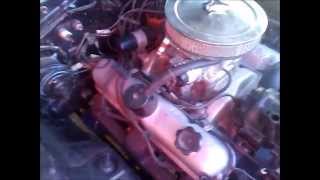
- Visible Oil Leak: The switch can fail internally and leak oil. If you see oil seeping from the body of the sensor 🎬 See what a leaking 318 oil pressure sender looks like. or its electrical connector, it needs to be replaced immediately.
First, Verify the Actual Oil Pressure
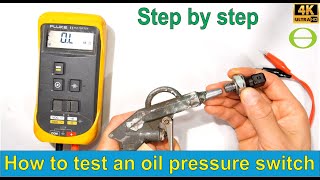
If your oil light comes on, don't assume it's just the switch. The safest first step is to stop the engine and check your oil level. If the level is fine, it is highly recommended to have the engine's oil pressure tested with a mechanical gauge. 🎬 Watch this tutorial on how to test an oil pressure switch. This will confirm whether you have a real, engine-damaging pressure problem or just a simple faulty sensor. Driving with low oil pressure can destroy your engine quickly.
Choosing the Right Aftermarket Part
For a vintage truck like the 1977-1984 D150, new OEM Mopar parts are generally not available. The aftermarket is your primary source. The good news is that an oil pressure switch is a simple component, and several reputable aftermarket brands offer reliable replacements.
Brand Tiers for Your D150:
- Tier 1 (Well-Known Aftermarket): Standard Ignition (Standard Motor Products) is a long-established brand in the aftermarket with a reputation for quality control and extensive testing. They are a trusted choice for a reliable, direct-fit replacement.
- Tier 2 (Reputable Aftermarket): Rostra Powertrain is a large manufacturer that also produces parts for original equipment manufacturers (OEMs). While well-known for transmission components, they also produce a range of sensors and switches that offer good quality and value.
For a simple switch on this truck, both Standard Ignition and Rostra are solid choices. The decision often comes down to price and availability. Given the low cost of the part, it's a wise piece of preventative maintenance to replace if you suspect it's the original.
Typical Costs for a 1977-1984 Dodge D150
| Part/Service | Estimated Cost |
|---|---|
| New Aftermarket Switch | $8.97 - $40.70 |
| Shop Labor | $50 - $115 |
| New OEM Switch | Not Generally Available |
Frequently Asked Questions
Where is the oil pressure switch located on my D150?
On most V8 engines (like the 318), the oil pressure sending unit is located on the top of the engine block at the rear, near the distributor. It will look like a small, bell-shaped sensor with a single wire connected to it. Always check a repair manual for your specific engine and year to be sure.
Is a flickering oil light always a bad switch?
Not always. It can be a sign of a failing switch, but it can also indicate genuinely low oil pressure, especially at idle. Other causes include a low oil level, old/thin oil, or a worn oil pump. This is why it's critical to test with a mechanical gauge before concluding the switch is the only problem.
What tools do I need to replace the switch?
You will typically need a deep socket and a ratchet. A special oil pressure switch socket with a slot for the wire can be helpful but is not always necessary. The socket size may vary, so be prepared to test fit. It's also a good idea to have some shop towels ready to clean up any spilled oil.
Do I need to use sealant or Teflon tape on the threads?
Yes. If the new switch does not come with a thread sealant pre-applied, you should wrap the threads with 2-3 layers of Teflon tape or apply a suitable thread sealant. This ensures a leak-free seal. Do not overtighten the switch, as the threads are tapered and can damage the engine block.
Helpful Videos
Technical Specifications
Common aftermarket part numbers include Standard Motor Products PS59T. The switch uses a tapered pipe thread (NPT) and typically has a single electrical terminal. The location on V8 models is generally on the top rear of the engine block.
We Have This Part in Stock


The information in this article is provided for general reference and educational purposes only. Vehicle specifications, procedures, and part compatibility can vary by production date, trim level, and region. Always consult your vehicle's factory service manual and verify part numbers before purchasing or performing repairs. Safety-critical components such as airbags, seat belts, and braking systems should be installed by a qualified professional.