

Choosing the Right Spark Plugs for Your 1977-1984 Dodge Diplomat
Get the right spark for your Diplomat's Slant-6 or V8 engine by understanding your aftermarket options.
- For a stock Diplomat, standard copper-core plugs from brands like Champion or NGK are the best choice for value and performance.
- The correct spark plug gap is 0.035 inches; always verify this before installation.
- Symptoms like rough idle, hesitation, and hard starting are strong indicators that your spark plugs need replacement.
- While changing plugs, it's a good time to inspect other ignition components like the distributor cap, rotor, and spark plug wires.
Signs of Failing Spark Plugs
Spark plugs are wear items, meaning they don't last forever. The electrodes at the tip slowly wear away with every spark. If you notice any of the following symptoms, your Diplomat's plugs might be telling you it's time for a replacement.
- Rough Idle: An uneven or shaky feeling when the engine is running at a standstill is a classic sign of a worn or fouled spark plug causing a cylinder to misfire.
- Hard Starting: If the engine cranks for a long time before it finally starts, weak spark could be the cause.
- Engine Misfires: You might feel a hesitation, stumble, or loss of power, especially when you accelerate. This can be caused by a cylinder failing to fire correctly.
- Reduced Fuel Economy: When a spark plug isn't firing efficiently, your engine can't burn all the fuel in the cylinder. This means you'll be stopping for gas more often.
- Poor Acceleration: A sluggish or weak response when you press the gas pedal can point to worn-out plugs that can't keep up with the engine's demands.
Choosing the Right Aftermarket Spark Plug
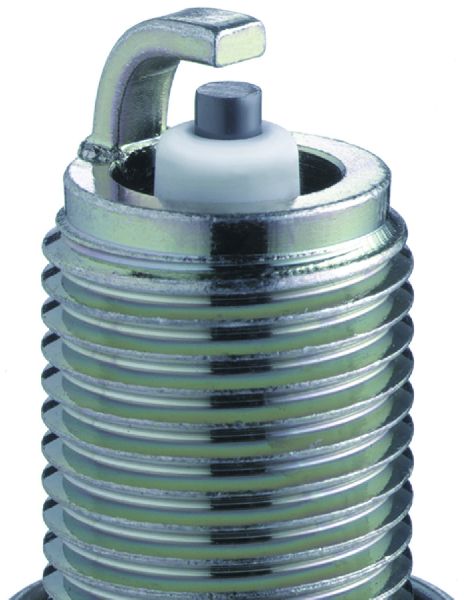
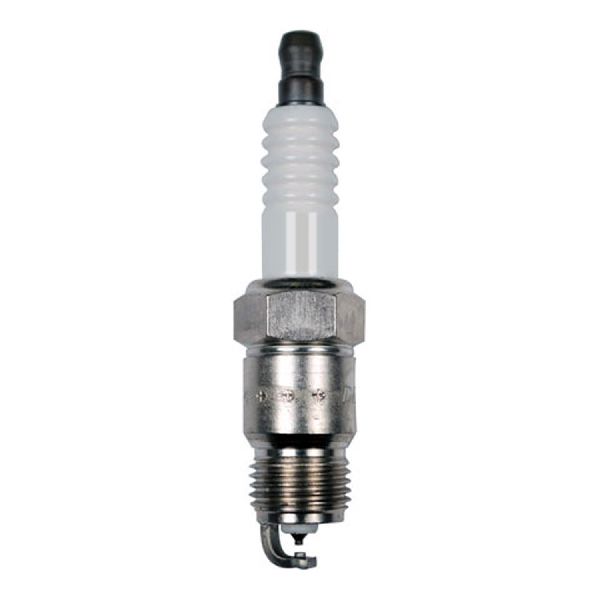
For a classic vehicle like the 1977-1984 Dodge Diplomat, you don't need fancy or expensive spark plugs to get great performance. The original ignition systems were designed for simple, effective copper-core plugs. While modern materials like iridium and platinum are available, they don't typically offer a significant advantage in these engines and aren't worth the extra cost for a stock vehicle.
Brand Quality Tiers for Dodge Diplomat
| Tier | Brands | Assessment |
|---|---|---|
| OEM & Recommended | Champion, NGK | Champion was the original equipment (OEM) brand for most Mopar vehicles of this era. Many owners stand by them for originality and reliable performance. NGK is a very popular, high-quality alternative that many Mopar enthusiasts prefer for its consistent manufacturing and performance. |
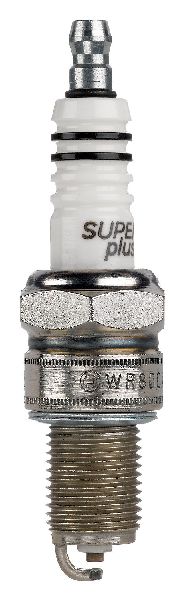
| Good Value Aftermarket | Autolite, Bosch | Autolite provides excellent value and is a reliable choice that many owners use with great success in older Mopar engines. Bosch copper plugs are also a solid, dependable option that will work well in your Diplomat's engine. |
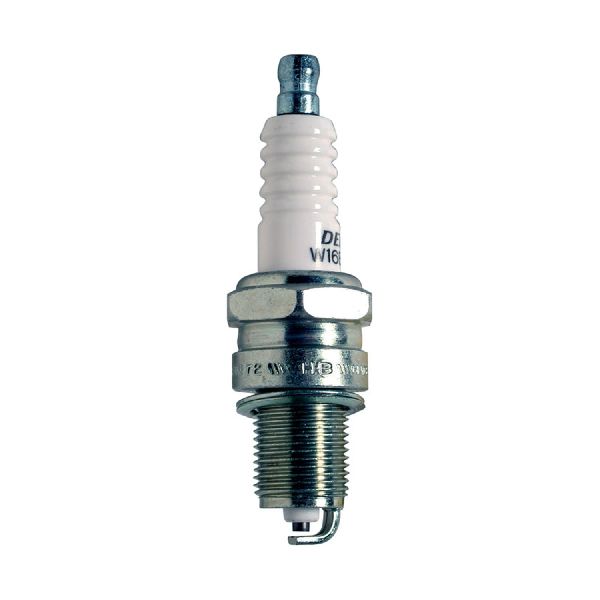
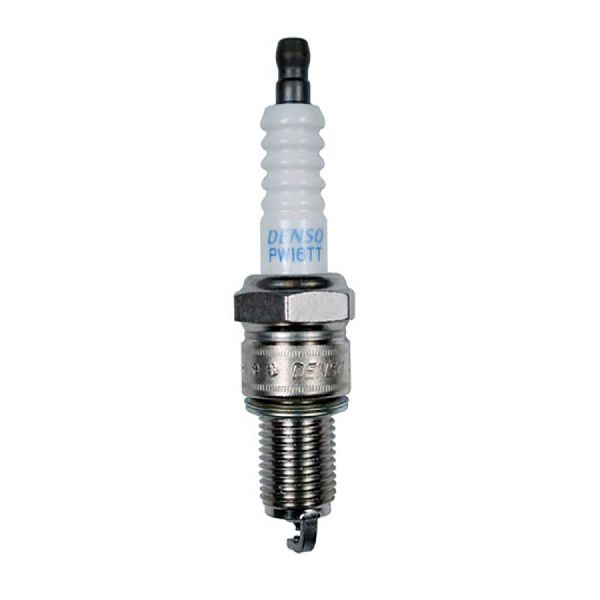
| Performance/Specialty | MSD, Denso | MSD offers products geared towards modified ignition systems. Denso is known for pioneering fine-wire iridium plugs, which are high-quality but generally unnecessary for a stock Diplomat. |
| Budget | Skyward | Budget-friendly brands can be a viable option if cost is the primary concern, but they may not offer the same longevity or consistent quality as more established brands. |
Known Issues, Recalls, and TSBs
There are no active recalls or technical service bulletins (TSBs) from the NHTSA specifically for spark plugs on the 1977-1984 Dodge Diplomat. Any issues you encounter will almost certainly be due to normal wear and tear. However, owners on forums frequently discuss ignition problems related to poor grounding, failing ballast resistors, or issues with the electronic control unit (ECU), which can sometimes be mistaken for spark plug problems. Ensuring the ECU has a clean ground and the ballast resistor is functioning correctly is a good step when tuning up your ignition system.
Pro Tip: Check The Gap!
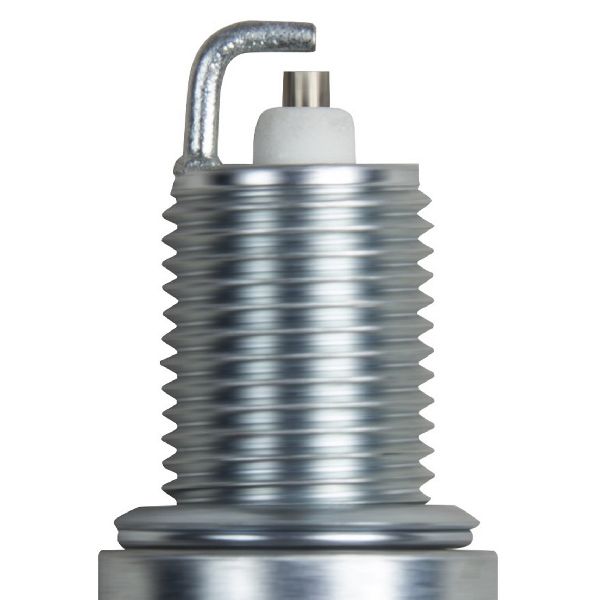
The correct spark plug gap for most stock Diplomat engines (both Slant-6 and V8) is 0.035 inches. While most plugs come "pre-gapped," they can easily be knocked out of spec during shipping. Always double-check and adjust the gap with a spark plug gapper tool before installation. An incorrect gap can lead to misfires, poor performance, and bad fuel economy.
Frequently Asked Questions
How often should I change the spark plugs on my Diplomat?
For standard copper-core plugs, which are recommended for these vehicles, a good rule of thumb is to replace them every 15,000 to 30,000 miles, or as part of a regular tune-up. Given the low cost of the plugs, changing them regularly is cheap insurance for a smooth-running engine.
Should I use anti-seize on the spark plug threads?
This is a topic of debate. Some plug manufacturers, like NGK, apply a special plating to their plugs that has anti-seize properties and recommend NOT using additional compound. Other mechanics swear by a small dab of anti-seize on the threads to prevent them from getting stuck in the cylinder head. If you do use it, apply a very thin layer to the threads only, being careful not to get any on the electrode.
What is the difference between a hot and cold spark plug?
This is called the "heat range." It doesn't refer to the spark's temperature, but how well the plug dissipates heat from the combustion chamber. A "colder" plug is used in high-performance or heavy-duty engines to prevent overheating. For a stock Diplomat used for regular driving, a standard heat range plug recommended by the manufacturer (like a Champion N12Y or equivalent) is the correct choice.
Do I need special tools to change my spark plugs?
You will need a ratchet, a spark plug socket (which has a rubber insert to protect the plug's insulator), and a spark plug gapper tool. For some plugs on the V8 engine, a swivel adapter and various extensions can make the job much easier. The job is straightforward and can be done by most DIY mechanics.
Technical Specifications
OEM Part Numbers: 3755840
Recommended Plug Type: Copper Core Gap Size: 0.035 inches Common OEM-style plugs: Champion RN12YC (V8), Champion BL-13Y (Slant 6)
We Have This Part in Stock

The information in this article is provided for general reference and educational purposes only. Vehicle specifications, procedures, and part compatibility can vary by production date, trim level, and region. Always consult your vehicle's factory service manual and verify part numbers before purchasing or performing repairs. Safety-critical components such as airbags, seat belts, and braking systems should be installed by a qualified professional.