

Choosing the Right Distributor for Your 1977-1984 Pontiac Phoenix
Solve stalling, misfiring, and no-start problems by understanding how to choose the right new distributor for your Phoenix.
- You MUST verify your vehicle's generation: 1977-1979 models are RWD, while 1980-1984 are FWD. They use different distributors.
- Engine stalling when hot is a primary symptom of a failing HEI ignition module, the most common weak point in the system.
- For performance and long-term reliability, brands like MSD are a significant upgrade, while Accel and Pertronix offer a good balance for street use.
- When replacing the distributor, it is critical to mark the old unit's position and use a timing light to set the timing correctly after installation.
Is Your Distributor Failing?
A bad distributor in your Pontiac Phoenix can cause a wide range of engine problems. Because the HEI system's components are known to fail with age and heat, symptoms often appear when the engine gets hot and may disappear after it cools down. Recognizing these signs early can prevent you from being stranded.
Common symptoms include:
- Engine Stalling: The engine may suddenly shut off while driving, especially when warm, and may restart after cooling for 15-30 minutes. This is a classic sign of a failing ignition module inside the distributor.
- No-Start Condition: You turn the key, the engine cranks, but it never starts. This indicates a lack of spark, which can be caused by a failed coil, module, or pickup coil within the distributor.
- Engine Misfires and Rough Idle: The engine may shake, hesitate, or run poorly. This can be caused by a worn distributor cap, rotor, or a weak ignition coil.
- Backfiring: If the timing is off due to distributor issues, the engine can backfire through the intake or exhaust.
- Loss of Power: A weak spark or incorrect timing from a faulty distributor will reduce engine performance and fuel efficiency.
Critical: Know Your Phoenix Generation
The 1977-1984 Pontiac Phoenix was built on two completely different platforms, and they do not share the same distributor. Ordering the wrong part is a common mistake.
- 1977-1979: These models are Rear-Wheel Drive (RWD) and share a platform with the Chevrolet Nova.
- 1980-1984: These models are Front-Wheel Drive (FWD) and are part of the GM X-body family, like the Chevrolet Citation.
Always confirm your vehicle's year and drivetrain before ordering a new distributor.
Choosing the Right Aftermarket Distributor
New Original Equipment Manufacturer (OEM) distributors for a vehicle of this age are virtually nonexistent. The market consists of new and remanufactured aftermarket parts. For your Phoenix, these parts generally fall into three tiers.
Tier 1: Performance Brands (MSD, Edelbrock, FAST)
These brands are for owners seeking to upgrade their ignition system for better performance, reliability, and horsepower, especially on modified engines. Brands like MSD are highly regarded for their quality and are often recommended as a significant upgrade. They use higher-quality components, offer more precise timing adjustments, and produce a hotter, more consistent spark. This comes at a higher price, but it's a worthwhile investment for a performance build or for maximum reliability.
Tier 2: Street Performance & Heavy-Duty OEM Replacement (Accel, Pertronix)
Brands like Accel and Pertronix offer a solid balance of quality and price. They are a good step up from standard replacement parts and are suitable for daily drivers and mildly modified street cars. Forum discussions show that many classic car owners have had good experiences with these brands, viewing them as a reliable alternative to more expensive performance units.
Tier 3: Standard Replacement & Budget Brands (Cardone, WAI Global, Skyward)
This category includes new budget-friendly distributors and remanufactured units. While attractively priced, remanufactured brands like Cardone have a mixed reputation in owner forums. Common complaints include inconsistent quality control, parts being dead on arrival, and incorrect internal components for the specific application. While some users have success, others report needing multiple exchanges to get a good part. These are best considered a budget option when cost is the primary concern.
| Part Type | Estimated Cost | Notes |
|---|---|---|
| New Aftermarket (Performance) | $350 - $778+ | Brands like MSD, FAST. Best for performance and reliability. |
| New Aftermarket (Street/HD) | $150 - $350 | Brands like Accel, Pertronix. Good balance of quality and cost. |
| New Aftermarket (Standard) | $111 - $200 | Budget-friendly new units. Quality can vary. |
| Remanufactured Aftermarket | $115 - $180 | Brands like Cardone. Quality can be inconsistent. |
Pro Tip: The Module is the Weakest Link
The ignition module inside the HEI distributor is the most common failure point. It is sensitive to heat. When replacing your distributor, ensure the new module has a fresh application of thermal paste on its underside. This paste helps transfer heat away from the module to the distributor body, extending its life.
Frequently Asked Questions (FAQ)
Are there any recalls on the Pontiac Phoenix distributor?
No. Searches of the National Highway Traffic Safety Administration (NHTSA) database show no recalls specifically for the distributor on the 1977-1984 Pontiac Phoenix. The major GM ignition switch recalls from the 2000s and 2010s do not apply to this vehicle.
Can I replace the distributor myself?
Yes, this is a common DIY job for someone with basic mechanical skills and tools. The process involves disconnecting the battery, labeling and removing the spark plug wires, marking the exact position of the distributor housing and rotor, and unbolting the old unit. After installing the new one, you must use a timing light to verify and adjust the engine's ignition timing.
What is an HEI ignition module?
The High Energy Ignition (HEI) module is a small electronic component inside the distributor that acts as a switch. It controls the firing of the ignition coil. These modules are known to fail from heat and age, causing intermittent stalling or no-start conditions.
Should I buy a new distributor or just replace the bad part inside?
You can replace individual components like the module, coil, cap, or rotor. However, if the distributor has high mileage, the internal shaft bushings can also be worn, causing timing fluctuations. For a complete and reliable repair, replacing the entire distributor assembly is often the best long-term solution, as it replaces all wearable components at once.
Technical Specifications
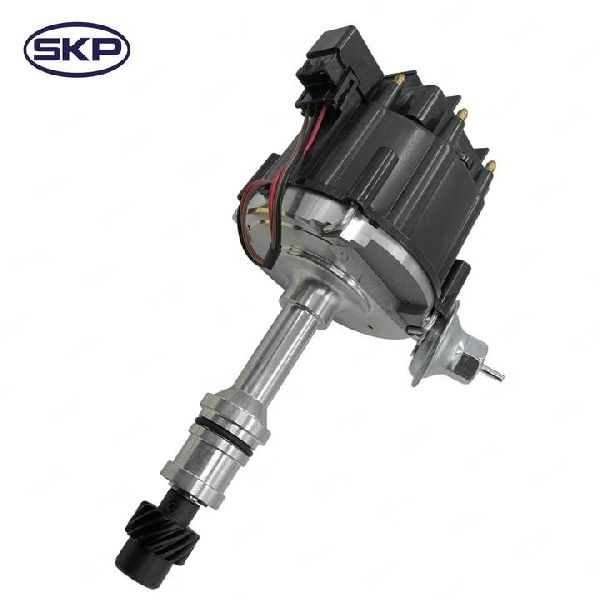
The key specification is the distributor type, which is a GM High Energy Ignition (HEI) style distributor. Part numbers vary significantly based on the engine (I4, V6, or V8) and the specific year. Always verify fitment using your vehicle's exact details.
We Have This Part in Stock
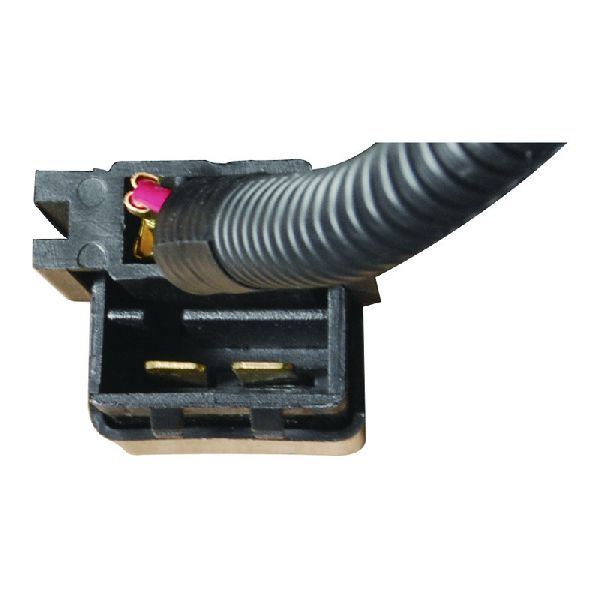
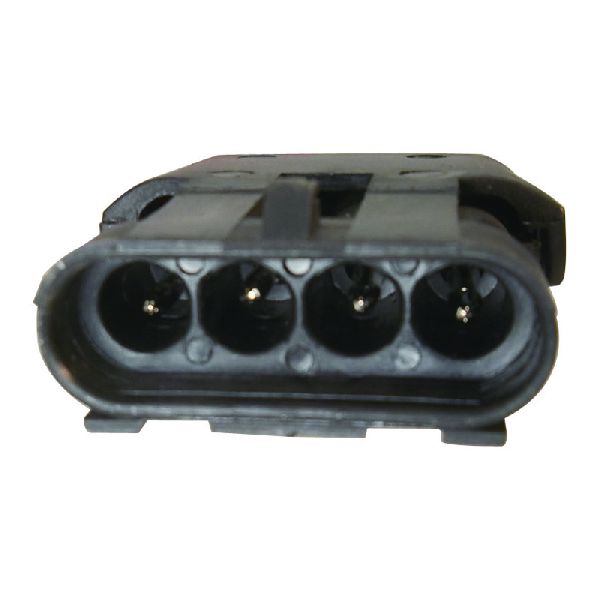
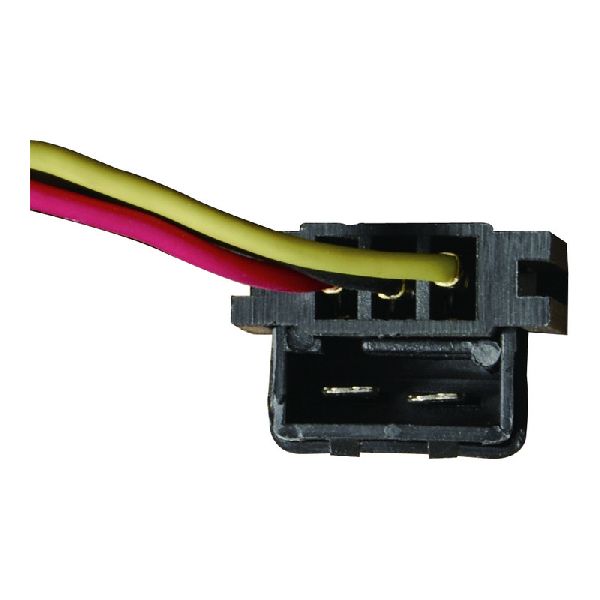

The information in this article is provided for general reference and educational purposes only. Vehicle specifications, procedures, and part compatibility can vary by production date, trim level, and region. Always consult your vehicle's factory service manual and verify part numbers before purchasing or performing repairs. Safety-critical components such as airbags, seat belts, and braking systems should be installed by a qualified professional.
- 🛍️ Shop This Part
- Is Your Distributor Failing?
- Critical: Know Your Phoenix Generation
- Choosing the Right Aftermarket Distributor
- Tier 1: Performance Brands (MSD, Edelbrock, FAST)
- Tier 2: Street Performance & Heavy-Duty OEM Replacement (Accel, Pertronix)
- Tier 3: Standard Replacement & Budget Brands (Cardone, WAI Global, Skyward)
- Pro Tip: The Module is the Weakest Link
- Frequently Asked Questions (FAQ)
- 🎟️ Get 5% Off