

A Practical Guide to the 1977-1985 Mazda GLC Ignition Coil
Everything you need to know to get the right ignition coil and keep your classic Mazda running smoothly.
- New OEM coils are not a realistic option; a quality aftermarket part is your best bet.
- Verify if your GLC requires a coil with an internal resistor or one that uses an external ballast resistor.
- For reliability, choose a premium aftermarket brand like NGK or Standard Ignition (SMP).
- This is a very simple DIY replacement that most owners can do in under 30 minutes.
Is Your Mazda GLC Ignition Coil Failing?
The ignition coil on your 1977-1985 Mazda GLC is a simple, robust part, but it is also a wear item. After 40+ years of heat cycles and vibration, the original coil's internal windings can break down, leading to a weak or inconsistent spark. If you're still running the original factory coil, it's living on borrowed time. A failing coil can leave you stranded, so it's important to recognize the warning signs.
Common Symptoms of a Bad Ignition Coil:
- No-Start or Hard Starting: The engine cranks but won't fire up, or takes a long time to catch.
- Engine Misfires: You may feel a stumble, shudder, or hesitation during acceleration. At idle, the engine may sound rough or shake.
- Stalling: The engine may die unexpectedly, especially when idling at a stoplight.
- Poor Performance: The car may feel sluggish and lack power.
- Reduced Fuel Economy: An inefficient spark means the engine burns more fuel to do the same amount of work.
Choosing the Right Aftermarket Ignition Coil
Since new original Mazda coils are virtually impossible to find, the aftermarket is your only option. Fortunately, many reputable companies make quality replacements for your GLC. The ignition system on this car is straightforward, so you don't need the most expensive part, but quality still matters. We can group the available brands into tiers based on general reputation and quality.
Brand Quality Tiers
Tier 1: Premium Aftermarket
These brands are known for quality that meets or exceeds original equipment standards. They are an excellent choice for owners who want reliability and long service life.
- NGK: A top name in ignition systems, NGK coils are widely respected for their quality and durability.
- Standard Ignition (SMP): A long-standing manufacturer with a reputation for producing reliable, well-engineered parts. They often identify and correct flaws in the original factory designs.
Pro Tip: For a daily driver or a car you depend on, spending a little more for a brand like NGK or Standard Ignition is a wise investment in reliability.
Tier 2: Performance & Standard Replacement
These brands offer a balance of performance and value. They are solid choices for most users.
- Accel: Often marketed as a performance upgrade for a "hotter" spark. Reviews can be mixed, with some users loving the performance and others experiencing reliability issues.
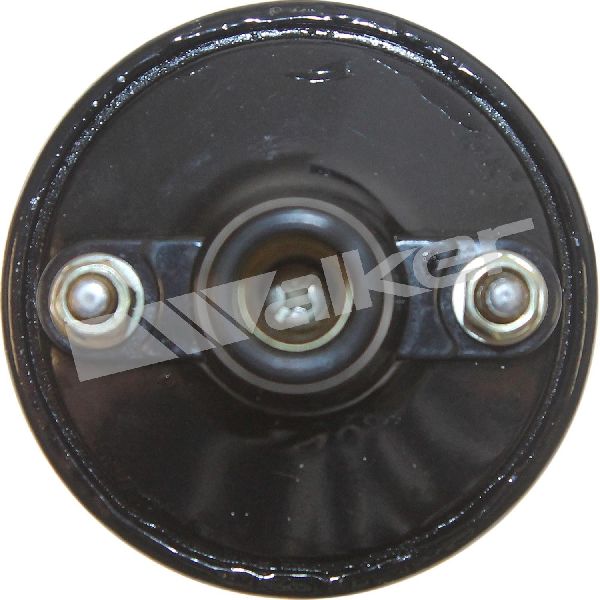
- Walker Products: A large manufacturer of aftermarket parts that are designed to be a direct, reliable replacement for the original.
Tier 3: Economy Brands
These brands compete on price and can be a good fit for a budget-conscious repair. However, some forum users have reported higher failure rates with budget-friendly electronics.
- Spectra: Known as a budget-friendly brand. While they often come with a good warranty, some users have reported premature failures.
- Global Parts, Holstein, Skyward: These are standard aftermarket replacement brands that offer a low-cost alternative.
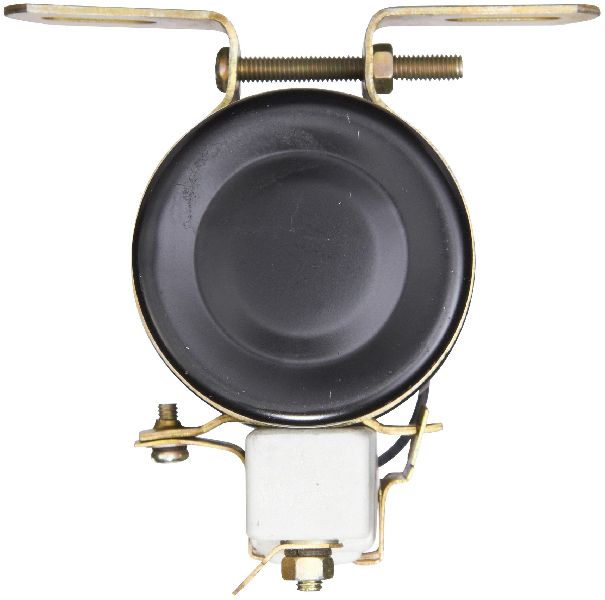
The GLC ignition system uses a canister-style coil. Some of these coils require an external ballast resistor, while others have one built-in. It is critical to use the correct type for your vehicle's wiring. Using a coil without a needed resistor (or with a resistor when none is needed) can cause it to overheat and fail quickly or provide a weak spark. Check the part description and your vehicle's setup before ordering.
How Much Does a New Ignition Coil Cost?
Replacing the ignition coil on a 1977-1985 Mazda GLC is an affordable repair. The cost depends on the brand you choose.
| Part Type | Price Range |
|---|---|
| New Aftermarket Ignition Coil | $29.97 - $57.74 |
| Shop Labor for Installation | $50 - $100 |
Frequently Asked Questions (FAQ)
Can I replace the ignition coil myself?
Yes, absolutely. This is a very easy job for a DIY mechanic. The coil is mounted on the fender or firewall and is held by a simple bracket. It only has two low-voltage wires and one high-voltage wire to the distributor. The entire job can usually be done in less than 30 minutes with basic hand tools.
What's the difference between an internal and external resistor coil?
The ignition system needs a resistor to limit the current flowing through the coil to prevent it from overheating. Some systems have this resistor as a separate ceramic block (external), while some coils have it built-in (internal). You must match the new coil to your car's system. If you're not sure, check your service manual or look for a ceramic resistor block in the engine bay near the coil.
Is a 'performance' coil like Accel worth it for my GLC?
For a stock or lightly modified engine, a standard replacement coil from NGK or Standard Ignition will provide all the spark you need. A performance coil might offer a slight improvement in throttle response for some, but it is not a necessary upgrade for most owners. Reliability should be the main priority.
How can I be sure the coil is the problem?
While the symptoms listed are common for a failing coil, they can also be caused by bad spark plugs, plug wires, or a faulty distributor cap/rotor. These parts are also inexpensive and should be considered regular maintenance items. If you replace the coil and still have issues, inspect the rest of the ignition system.
Technical Specifications
OEM Part Numbers: 3958-24-920
This vehicle uses a single, canister-style ignition coil. It is critical to determine if your specific model year and trim requires a coil with an internal resistor or one designed for use with an external ballast resistor.
We Have This Part in Stock


The information in this article is provided for general reference and educational purposes only. Vehicle specifications, procedures, and part compatibility can vary by production date, trim level, and region. Always consult your vehicle's factory service manual and verify part numbers before purchasing or performing repairs. Safety-critical components such as airbags, seat belts, and braking systems should be installed by a qualified professional.