

Mazda GLC Radiator Coolant Hose: A 1977-1985 Replacement Guide
Keep your classic GLC running cool and prevent engine damage by learning to spot and replace a failing radiator hose.
- Since OEM hoses are unavailable, choose a quality aftermarket brand like Gates or Dayco for your GLC.
- Always replace radiator hoses as a pair (upper and lower) and install new clamps to ensure a reliable repair.
- Inspect hoses at every oil change for cracks, swelling, or soft spots to catch problems before they leave you stranded.
- Do not drive if you have a significant coolant leak; doing so can lead to catastrophic engine damage from overheating.
Is Your Mazda GLC Radiator Hose Failing?
For a classic car like the 1977-1985 Mazda GLC, rubber components such as radiator hoses are far beyond their expected service life. Decades of exposure to heat, pressure, and coolant chemicals cause the rubber to break down. Inspecting your hoses regularly is key to preventing a sudden failure on the road. Look for these common warning signs.
Symptoms of a Bad Radiator Hose
- Coolant Leaks: This is the most common and obvious sign. You may find puddles of bright green, yellow, or pink fluid under the front of your car. A leak might start small but can worsen quickly.
- Visible Damage: A visual inspection can reveal a lot. Look for cracks, splits, or holes in the hose. Pay close attention to the ends of the hose near the clamps, as this is a common failure point.
- Swelling or Bulging: If a hose looks swollen or bloated, it's a sign that the internal structure has been weakened by oil contamination or age and it could burst at any moment.
- Spongy or Hard Texture: When you squeeze a healthy hose (when the engine is cold), it should feel firm but flexible. If it feels soft and spongy or rock-hard and brittle, it needs to be replaced.
- Engine Overheating: The temperature gauge on your dashboard climbing into the red is a serious warning. A leaking or collapsed hose can cause a rapid loss of coolant, leading to engine overheating.
- Low Coolant Light: If your GLC is equipped with one, a low coolant warning light on your dash indicates you are losing coolant somewhere in the system.
A Note on OEM vs. Aftermarket
For a vehicle of this age, new Original Equipment Manufacturer (OEM) radiator hoses from Mazda are no longer available. All replacement hoses are from aftermarket manufacturers. Fortunately, reputable brands produce high-quality hoses that meet or exceed original specifications. You can purchase an aftermarket hose with confidence.
Choosing the Right Aftermarket Hose
With several brands available, choosing the right one comes down to balancing quality and cost. For a critical part like a radiator hose, prioritizing fit and material quality is a smart investment.
- Premium Brands (Gates): Gates is widely regarded in repair forums as a top-tier aftermarket brand, often praised for its material quality and precise fit, which is very important on older cars. Choosing a premium brand like Gates gives you the best chance of a perfect fit without issues.
- Standard Brands (Dayco, Continental): Dayco and Continental are also well-known manufacturers that produce reliable replacement hoses. They are a cost-effective choice and will perform well. However, some professional mechanics and DIYers have occasionally noted minor fitment differences compared to premium brands or original parts.
Pro Tip: Always replace the hose clamps when you replace a radiator hose. Old spring clamps can lose tension, and worm-gear clamps can wear out. New clamps are inexpensive and ensure a leak-free seal on your new hose.
Estimated Replacement Costs
Replacing the radiator hoses on a Mazda GLC is an affordable repair. The parts themselves are not expensive, and if you do the work yourself, the only other cost is for new coolant.
| Part/Service | Estimated Cost |
|---|---|
| New Aftermarket Radiator Hose | $21.46 - $39.64 |
| Shop Labor | $100 - $200 |
| Total Estimated Cost (At a Shop) | $121 - $240 |
Frequently Asked Questions (FAQ)
Should I replace both the upper and lower radiator hoses at the same time?
Yes. If one hose has failed due to age, the other is made from the same material and has endured the same conditions. It is very likely to fail soon. Replacing both hoses at once is smart preventative maintenance and saves you from doing the same job twice.
What type of coolant should I use in my 1977-1985 Mazda GLC?
For this era of vehicle, a conventional "green" IAT (Inorganic Additive Technology) antifreeze is the correct choice. Always mix it 50/50 with distilled water. Avoid using modern OAT (orange, red, pink) coolants, as they may not be compatible with the metals in your classic cooling system.
Is replacing the radiator hoses on a GLC a good DIY project?
Yes, for most home mechanics with basic tools, this is a very manageable job. Access on these older cars is generally good. The process involves draining the coolant, removing the old hoses and clamps, installing the new parts, and then refilling and bleeding the air from the cooling system.
Are there any recalls for the Mazda GLC radiator hose?
No. Searches of the National Highway Traffic Safety Administration (NHTSA) database and other records show no recalls or specific technical service bulletins (TSBs) for radiator hose failures on the 1977-1985 Mazda GLC. Any failure today is due to the age of the part.
Technical Specifications
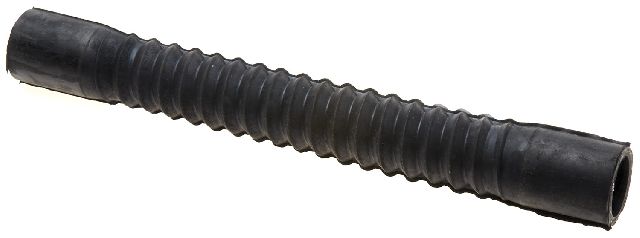
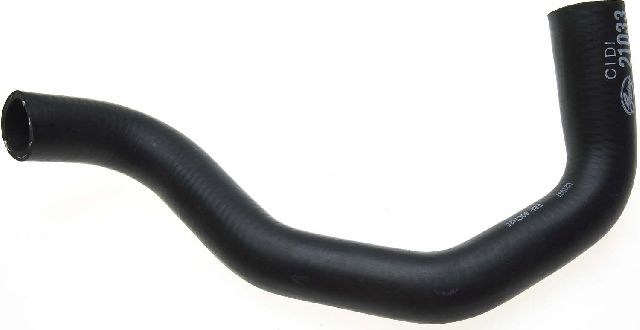
Material: EPDM Rubber. Hoses are vehicle-specific and pre-molded to fit the upper or lower position. Multiple hoses exist for different engine and body style combinations.
We Have This Part in Stock
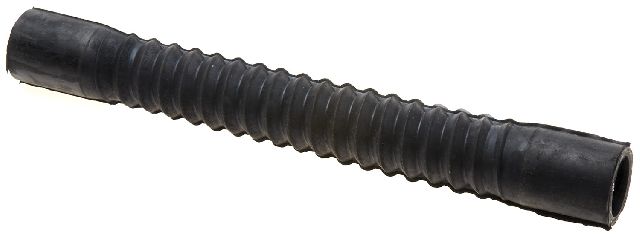
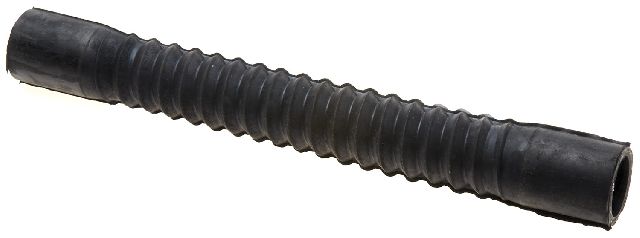
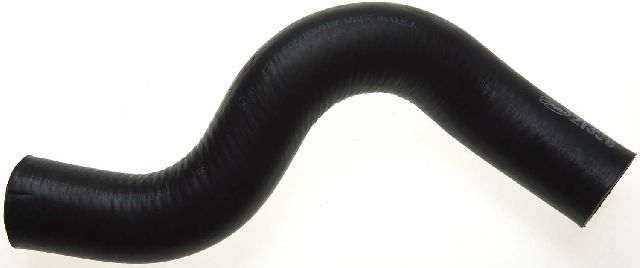
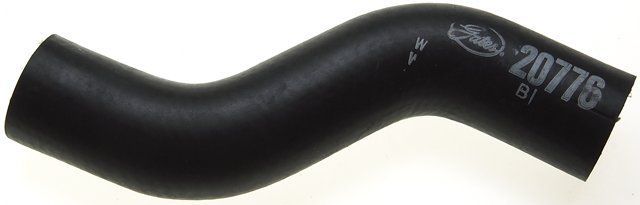

The information in this article is provided for general reference and educational purposes only. Vehicle specifications, procedures, and part compatibility can vary by production date, trim level, and region. Always consult your vehicle's factory service manual and verify part numbers before purchasing or performing repairs. Safety-critical components such as airbags, seat belts, and braking systems should be installed by a qualified professional.