

Choosing the Right Spark Plugs for Your 1977-1985 Mazda GLC
Keep your classic Mazda's simple, reliable engine running strong with the correct spark plugs.
- Replacing spark plugs is a simple, low-cost maintenance item that has a big impact on the GLC's performance.
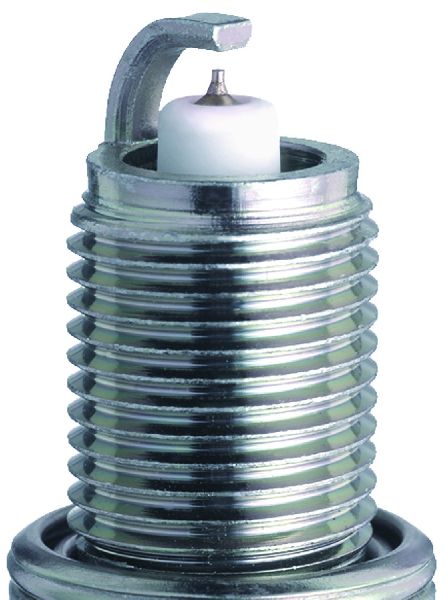
- Stick to standard copper or nickel plugs from reputable brands like NGK or Denso; expensive platinum or iridium plugs are unnecessary for this engine.
- Always check and adjust the spark plug gap to the correct specification before installation.
- This is an ideal DIY job for any owner, requiring only basic tools and less than an hour of time.
Signs of Failing Spark Plugs in a Mazda GLC
The simple ignition system on the 1977-1985 Mazda GLC relies on healthy spark plugs to run properly. When they start to wear out, you'll likely notice it. Because these cars don't have modern computer systems, you have to rely on how the car feels and sounds. Common symptoms include:
- Rough Idling: The engine may shake or sound uneven when you're stopped at a light.
- Engine Stalling: Worn plugs can cause the engine to stall when you press the clutch to stop or change gears.
- Hesitation or Misfiring: You might feel the car stumble or hesitate during acceleration.
- Difficulty Starting: A weak spark makes it harder for the engine to fire up, especially when cold.
- Reduced Fuel Economy: If you're filling up the gas tank more often, worn plugs could be wasting fuel.
- Poor Acceleration: The car may feel sluggish or down on power when you press the gas pedal.
Choosing the Right Aftermarket Spark Plugs
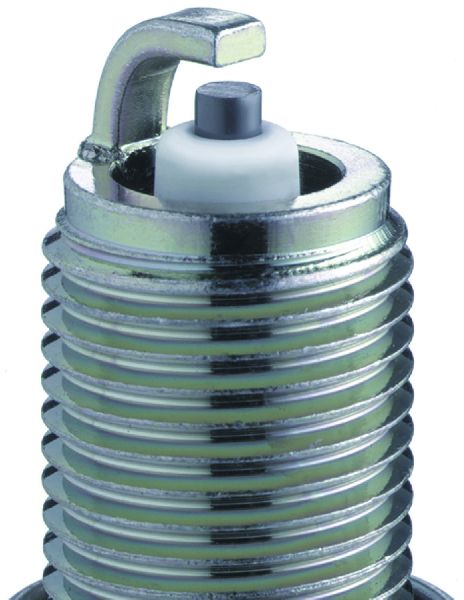
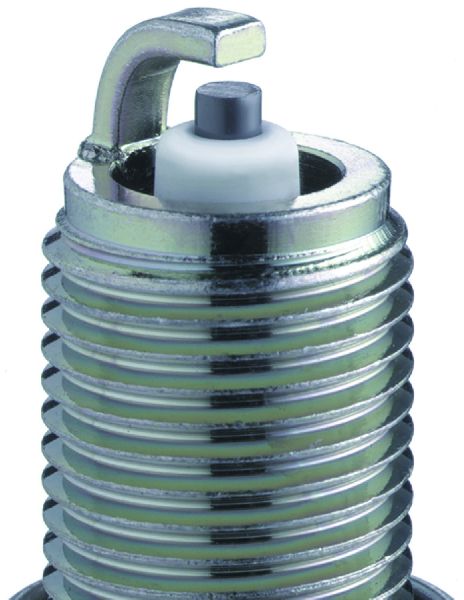
For a classic vehicle like the Mazda GLC, original equipment (OEM) spark plugs from a Mazda dealer are likely no longer available. Fortunately, the aftermarket offers many high-quality options that meet or exceed the original specifications. The technology in these engines is straightforward, so you don't need expensive, fancy plugs. A standard copper or nickel plug from a reputable brand is your best choice.
Aftermarket Brand Tiers for Mazda GLC
| Tier | Brands | Description |
|---|---|---|
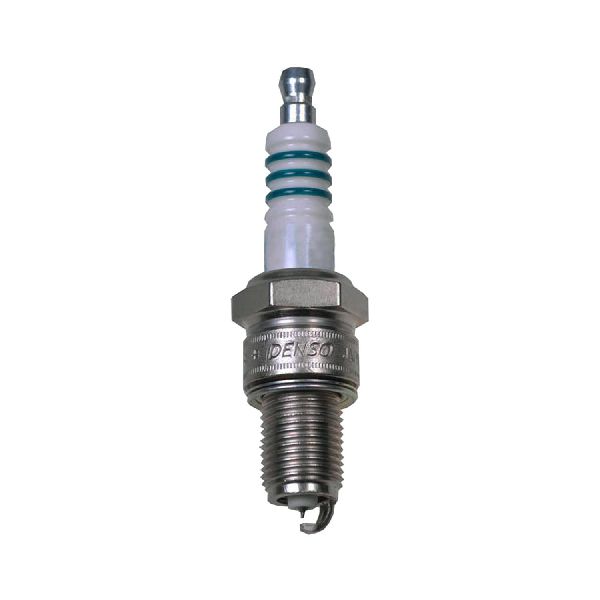
| Tier 1: Highly Recommended | NGK, Denso | NGK and Denso are Japanese brands known for being original equipment suppliers for many Japanese cars. Their standard copper plugs, like the NGK BPR6ES or Denso W20EPR-U, are excellent, reliable choices for the GLC. |
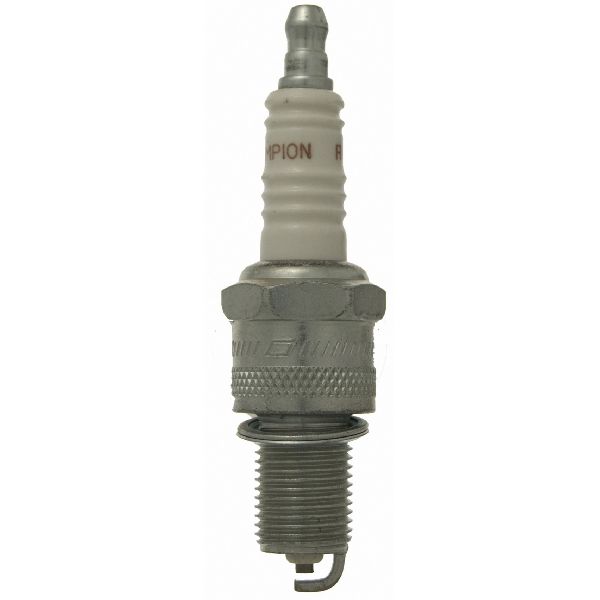
| Tier 2: Reliable Alternatives | Bosch, Champion, Autolite | These are well-known brands that make dependable spark plugs. A standard copper plug from any of these manufacturers will perform well in your GLC and is a perfectly good choice if NGK or Denso are not available. |
A Note on Iridium and Platinum Plugs
While modern cars benefit from long-life iridium and platinum spark plugs, they are not necessary and may not even be beneficial for your GLC's vintage ignition system. These plugs are more expensive and designed for high-energy electronic ignition systems. Stick with the recommended standard copper or nickel plugs for the best performance and value.
Frequently Asked Questions
How often should I change the spark plugs on my Mazda GLC?
For a 1977-1985 Mazda GLC using standard copper spark plugs, a good rule of thumb is to inspect them every year and replace them every 15,000 to 30,000 miles, or every two years. Given their low cost, frequent changes are cheap insurance against poor performance.
What is the correct spark plug gap for a 1977-1985 Mazda GLC?
The correct gap can vary slightly by year and specific plug model. However, a common specification for plugs like the NGK BPR6ES is around 0.035 inches (0.9mm). Always check the specification for the exact plug you buy and use a gap tool to verify it before installation.
Is replacing spark plugs a difficult DIY job?
No, this is one of the easiest maintenance jobs you can do on a Mazda GLC. The spark plugs are typically easy to access on top of the engine. With basic hand tools like a ratchet and a spark plug socket, most owners can complete the job in under an hour.
Do I need to put anything on the new spark plug threads?
Most modern spark plugs from brands like NGK have a special trivalent plating that acts as an anti-seize and anti-corrosion layer. For these plugs, you should not add any additional anti-seize compound, as it can cause you to overtighten the plug and damage the engine's cylinder head. Install them dry, out of the box.
Technical Specifications
Common Spark Plug: NGK BPR6ES or Denso W20EPR-U Thread Size: 14mm Hex Size: 13/16" (21mm) Seat Type: Gasket Standard Gap: ~0.035" (0.9mm)
We Have This Part in Stock

The information in this article is provided for general reference and educational purposes only. Vehicle specifications, procedures, and part compatibility can vary by production date, trim level, and region. Always consult your vehicle's factory service manual and verify part numbers before purchasing or performing repairs. Safety-critical components such as airbags, seat belts, and braking systems should be installed by a qualified professional.