

1977-1985 Toyota Celica Brake Light Switch: A Complete Guide
Understand, diagnose, and replace the brake light switch on your classic Toyota Celica.
- A faulty brake light switch is a major safety issue; do not drive the vehicle if your brake lights are not working.
- The most common symptoms are brake lights that won't turn on or brake lights that won't turn off.
- Before replacing the switch, check for a small, broken plastic stopper on the floor mat, as this is a common and even cheaper fix.
- Replacement is a simple DIY task for most owners, requiring basic hand tools in the driver's footwell.
Understanding the Brake Light Switch in Your Celica
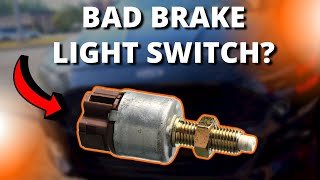
The brake light switch in your 1977-1985 Toyota Celica is a straightforward, mechanical part. It's a spring-loaded plunger switch mounted on a bracket near the brake pedal. When the pedal is at rest, it pushes the plunger in, keeping the brake light circuit open (off). When you step on the brake, the pedal moves away, allowing the plunger to extend, which closes the circuit and turns the brake lights on. Over decades of use, the internal contacts can wear out, the plastic housing can become brittle, or the switch can simply fail. A common related issue, especially on older Toyotas, is the disintegration of a small plastic or rubber stopper on the brake pedal arm that contacts the switch plunger; when this stopper fails, the switch remains in the 'on' position, draining your battery.
Symptoms of a Failing Brake Light Switch
A bad brake light switch will usually show one of two obvious symptoms. 🎬 Watch this video to identify common brake light switch symptoms. Being aware of these signs is crucial for your safety.
- Brake Lights Do Not Turn On: This is the most dangerous symptom. If the switch fails in the open position, your brake lights will not illuminate when you press the pedal, creating a serious risk of a rear-end collision.
- Brake Lights Stay On: If the switch fails in the closed position or the pedal stopper has broken, your brake lights will remain on even when you are not braking. This will drain your battery and can confuse other drivers.
Safety First
If your brake lights are not working, the vehicle is not safe to drive. It is illegal and dramatically increases your risk of being rear-ended. Have the vehicle inspected and repaired immediately.
Choosing a New Aftermarket Brake Light Switch
For a vehicle of this vintage, finding a new Original Equipment Manufacturer (OEM) switch from Toyota may be difficult or impossible. The aftermarket is your most reliable source for this part.
- OEM vs. Aftermarket: While genuine Toyota parts are always a benchmark for quality, a simple, long-standing part like a brake light switch from a reputable aftermarket brand is a perfectly reliable choice. For the 1977-1985 Celica, the technology is not complex, and brands like Standard Ignition produce direct-fit replacements that meet or exceed original specifications.
- Brand Quality: Standard Ignition: Standard Motor Products (SMP), the parent company of the Standard Ignition brand, is a well-established and respected manufacturer in the aftermarket industry. Their parts are known for consistent quality and are a trusted choice for everyday repairs. Reviews for their brake light switches are generally positive, often citing perfect fitment and an easy fix for common brake light problems.
Cost Overview: 1977-1985 Celica Brake Light Switch
| Part Type | Estimated Cost |
|---|---|
| New Aftermarket (e.g., Standard Ignition) | $15 - $20 |
| Shop Labor | $50 - $100 |
Pro Tip: Check the Stopper First!
Before you replace the switch, check the brake pedal arm for a small plastic or rubber stopper that presses against the switch's plunger. These can become brittle and break. If you find broken plastic pieces on your floor mat, you may only need to replace this inexpensive stopper, not the entire switch.
🎬 Learn how to test your switch before buying a replacement.Frequently Asked Questions (FAQ)
Is replacing the brake light switch a DIY job?
Yes, for most people with basic tools, this is a very feasible DIY repair. It involves working in the driver's footwell, which can be cramped. The process typically includes disconnecting the electrical connector, unthreading the old switch from its bracket, and installing the new one in reverse order. You may need a 14mm wrench.
🎬 See a step-by-step guide on replacing the switch in Toyotas.Where is the brake light switch located on my Celica?
The brake light switch is located in the driver's side footwell, mounted on a bracket near the top of the brake pedal arm. You will need to look up under the dashboard to see it.
Were there any recalls for the brake light switch on the 1977-1985 Celica?
My search did not find any specific brake light switch recalls for the 1977-1985 Toyota Celica. Recalls for this issue have occurred on other, much newer Toyota models, but do not apply to this generation of Celica.
What is the difference between a 2-terminal and 4-terminal switch?
A 2-terminal switch simply completes the circuit for the brake lights. A 4-terminal switch has a second, separate circuit, often used to send a signal to deactivate cruise control when the brakes are applied. The replacement part for the 1977-1985 Celica is listed as a 2-terminal switch.
Helpful Videos
Technical Specifications
OEM Part Numbers: 84340-30030 84340-30040 84340-32010
2-Terminal Blade Connector Switch
We Have This Part in Stock


The information in this article is provided for general reference and educational purposes only. Vehicle specifications, procedures, and part compatibility can vary by production date, trim level, and region. Always consult your vehicle's factory service manual and verify part numbers before purchasing or performing repairs. Safety-critical components such as airbags, seat belts, and braking systems should be installed by a qualified professional.
- 🎬 Helpful Videos
- 🛍️ Shop This Part
- Understanding the Brake Light Switch in Your Celica
- Symptoms of a Failing Brake Light Switch
- Safety First
- Choosing a New Aftermarket Brake Light Switch
- Cost Overview: 1977-1985 Celica Brake Light Switch
- Pro Tip: Check the Stopper First!
- Frequently Asked Questions (FAQ)
- 🎟️ Get 5% Off