

A/C Accumulator Replacement Guide for the 1977-1986 Chevrolet Impala
Keep your classic Impala's air conditioning blowing cold by understanding this critical A/C system part.
- A bad accumulator will cause poor A/C cooling, rattling noises, or visible leaks.
- You must replace the accumulator any time the A/C system is opened for service to protect the compressor and validate warranties.
- Replacement requires special equipment to recover and recharge the refrigerant, so it is not a simple DIY job for beginners.
- New aftermarket brands like Four Seasons are a reliable and readily available choice for this vehicle.
Signs of a Failing A/C Accumulator
When the accumulator goes bad, it can cause several problems with your Impala's air conditioning. Here are the most common signs to watch for:
- Weak or No Cold Air: This is the most common symptom. A clogged or leaking accumulator can prevent the A/C system from cooling properly.
- Rattling Sounds: You might hear a rattling noise from the engine bay when the A/C is on. This can be caused by the desiccant bag or other internal parts breaking apart inside the accumulator.
- Visible Refrigerant Leaks: The accumulator is made of metal and can rust or corrode over time, causing leaks. You might see a greasy, oily residue on the accumulator itself or on the ground beneath it.
- Frost on the Accumulator: Ice or frost building up on the outside of the accumulator can be a sign of a blockage inside.
A Note on Musty Smells
While some sources link a moldy smell to a bad accumulator, this odor usually comes from mold growing on the evaporator core behind your dashboard. The accumulator's job is to keep moisture out of the sealed refrigerant system, not the air from your vents.
Choosing the Right Aftermarket Accumulator
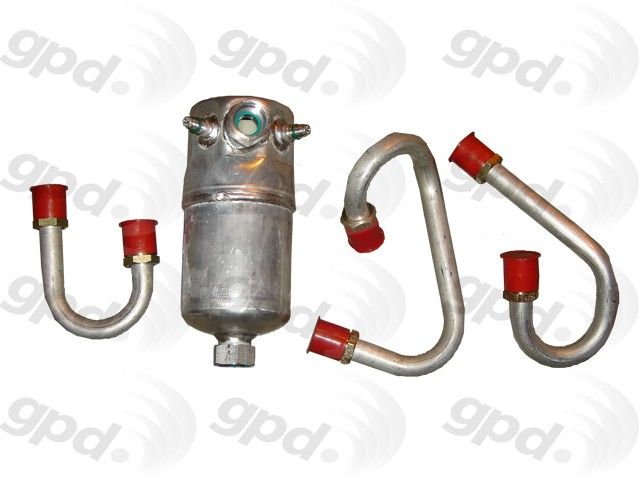
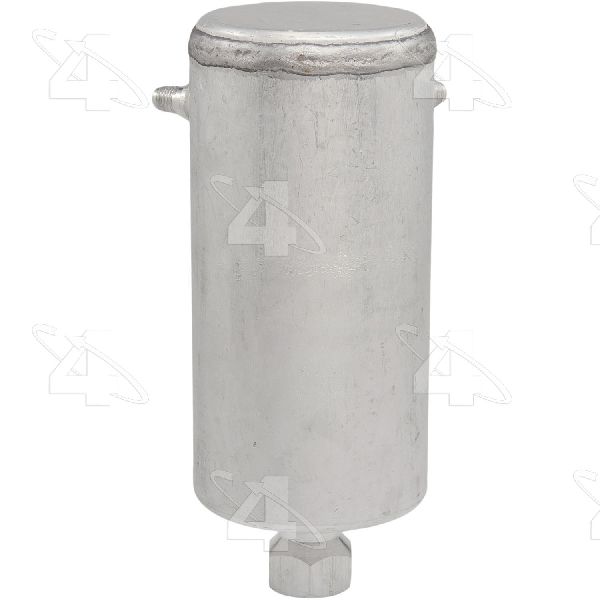
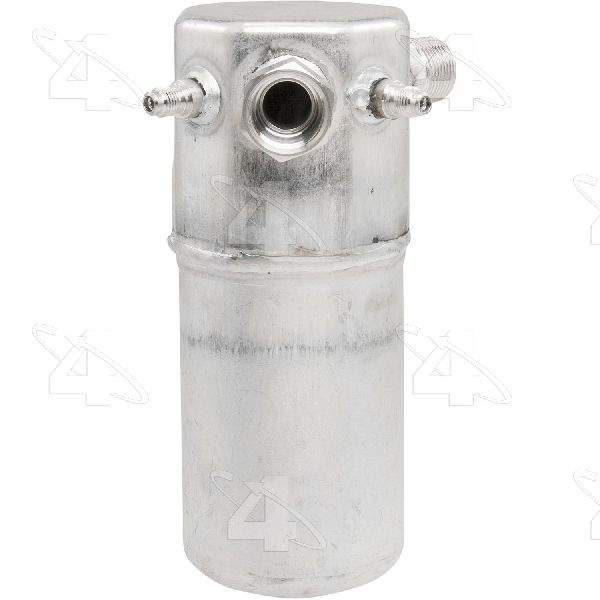
For a classic vehicle like the 1977-1986 Impala, original GM parts are generally no longer available. New aftermarket parts are the standard and most reliable choice. The two main brands you will find are Four Seasons and Global Parts (gpd).
- Four Seasons: This is a well-known and trusted brand in the A/C parts industry. Their parts are known to be a good-quality, direct-fit replacement for the original. They often state that their parts are made in ISO-certified facilities with quality welds to prevent leaks.
- Global Parts (gpd): This is another major supplier of aftermarket A/C components. They offer a direct-fit replacement that meets or exceeds original equipment standards.
Pro Tip: Always Replace, Never Reuse
The A/C accumulator must be replaced any time the A/C system is opened for repairs, such as when replacing a compressor or hose. The desiccant inside absorbs moisture from the air very quickly, and once it's saturated, it can't protect your system. Most compressor warranties require a new accumulator to be installed.
Estimated Replacement Costs
The cost to replace the A/C accumulator involves the part itself and the labor to service the A/C system.
| Item | Estimated Cost |
|---|---|
| New Aftermarket Accumulator | $37.95 - $69.47 |
| Shop Labor (including system evacuation and recharge) | $150 - $300 |
| Total Estimated Cost | $188 - $370 |
Frequently Asked Questions
Can I replace the A/C accumulator myself?
This is a job for an experienced DIYer or a professional mechanic. The A/C system is under pressure and contains refrigerant that must be legally and safely recovered with special equipment before you can remove any parts. After the new accumulator is installed, the system must be put into a deep vacuum to remove all air and moisture before being recharged with refrigerant. Failure to do this will cause poor performance and damage to other components.
Do I need to add oil when replacing the accumulator?
Yes. When the old accumulator is removed, some refrigerant oil will come out with it. You must add the correct amount of new PAG or POE oil (depending on whether your system uses R12 or has been converted to R134a) to the new accumulator before installation. Check your vehicle's service manual for the specific amount.
Should I replace any other parts at the same time?
If you are replacing the accumulator because of a major system failure (like a compressor that came apart internally), you must also replace the orifice tube and thoroughly flush the entire system to remove debris. It is also wise to replace the old rubber O-rings at the line connections to ensure a good seal. New accumulators often come with a new set of O-rings.
Will a new accumulator work with R134a refrigerant?
Yes, new aftermarket accumulators are compatible with both the original R12 refrigerant and modern R134a conversions. The desiccant material used is designed to work with either type. If you are converting to R134a, you will also need to install new service port fittings.
Technical Specifications
The A/C system on the 1977-1986 Impala is a Cycling Clutch Orifice Tube (CCOT) system. The accumulator is located on the low-pressure side of the system. It contains XH-7 or XH-9 desiccant compatible with both R12 and R134a refrigerants.
We Have This Part in Stock

The information in this article is provided for general reference and educational purposes only. Vehicle specifications, procedures, and part compatibility can vary by production date, trim level, and region. Always consult your vehicle's factory service manual and verify part numbers before purchasing or performing repairs. Safety-critical components such as airbags, seat belts, and braking systems should be installed by a qualified professional.