

Choosing the Right Spark Plugs for Your 1977-1986 Chevrolet Impala
Keep your classic Impala's engine running strong by understanding your spark plug options.
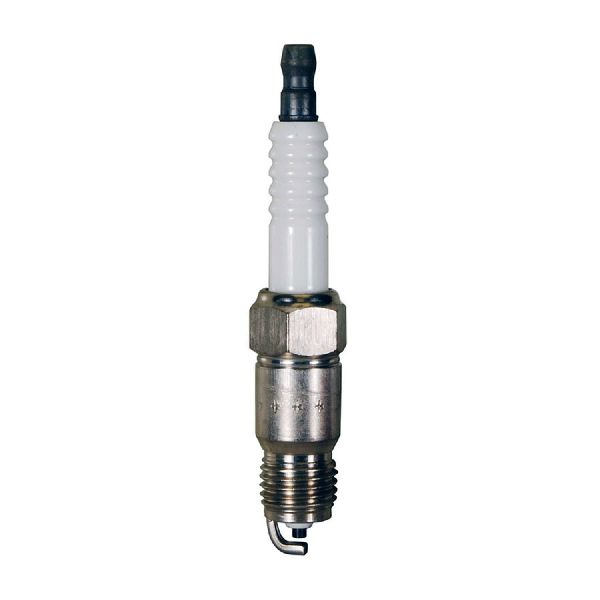
- For a stock 1977-1986 Impala, standard copper-core spark plugs from ACDelco, NGK, or Autolite are the best choice.
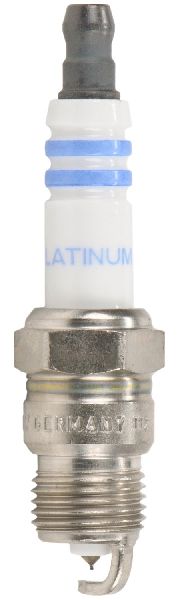
- Do not use expensive platinum or iridium plugs, as they offer no benefit for these older engines and can sometimes cause issues.
- Always check and adjust the spark plug gap with a gapping tool before installation; do not trust the out-of-the-box setting.
- Replacing spark plugs is an easy and affordable DIY job that can significantly improve your engine's performance and fuel economy.
Signs of Failing Spark Plugs in Your Impala
When your Impala's spark plugs are old or fouled, the car will let you know. Because these vehicles have simpler engine systems, the symptoms are often very noticeable. You might experience one or more of the following issues:
- Rough Idle: The engine may shake or sound uneven when you're stopped. This happens when a plug isn't firing consistently.
- Poor Acceleration: Your car may feel sluggish or slow to respond when you press the gas pedal. Worn plugs can't create an efficient spark, which robs the engine of power.
- Hard Starting: The engine may take longer than usual to crank and start, especially when cold. Weak plugs struggle to ignite the fuel mixture to get the engine running.
- Engine Misfires: You might feel a hesitation, jerk, or stumble from the engine while driving. This is a classic sign that one or more cylinders isn't firing correctly.
- Worse Gas Mileage: If you find yourself visiting the gas station more often, old spark plugs could be the cause. Incomplete combustion wastes fuel.
Choosing the Right Aftermarket Spark Plugs
For a 1977-1986 Impala, you don't need expensive, fancy spark plugs. The engines from this era were designed for simple, reliable copper-core plugs. While modern materials like platinum and iridium are available, they often provide no real benefit for these stock, carbureted engines and can sometimes cause issues. Sticking with a quality, standard plug is usually the best and most affordable choice.
Pro Tip: Check Your Engine
The 1977-1986 Impala was available with several different engines, including V6 and V8 options. Always confirm your specific engine size (e.g., 4.1L L6, 5.0L V8, 5.7L V8) before purchasing parts to ensure you get the correct plugs.
Brand Tiers for Your Impala
OEM-Style & Top Tier:
- ACDelco: This is the original GM parts brand. Choosing ACDelco is the closest you can get to the factory plug. They are a reliable, no-nonsense choice that will work perfectly in a stock Impala. Many owners of classic GM vehicles prefer to stick with ACDelco.
- NGK: A top-quality Japanese brand known for excellent manufacturing. Their standard V-Power plugs are a very popular and trusted alternative to ACDelco and are considered an upgrade by many mechanics.
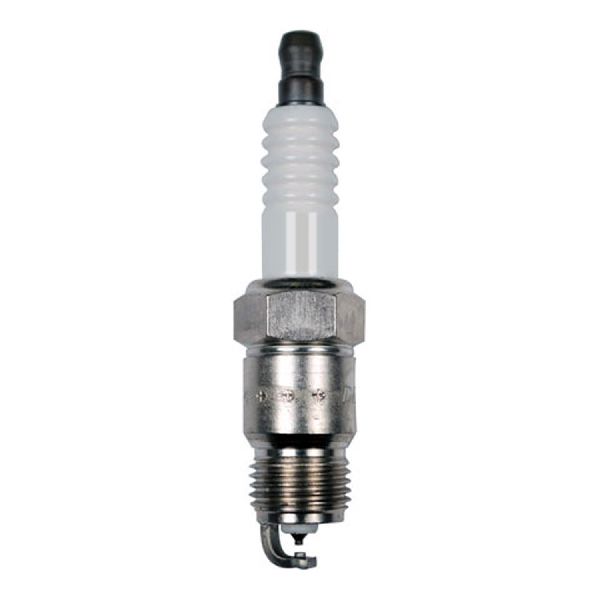
- Denso: Another high-quality Japanese manufacturer, similar in reputation to NGK. They make excellent, reliable plugs.
Quality Aftermarket:
- Autolite: A long-standing American brand that offers a great balance of quality and value. Their standard copper plugs are a solid choice for the Impala.
- Champion: Another traditional American brand, Champion plugs are widely available and work well in these engines.
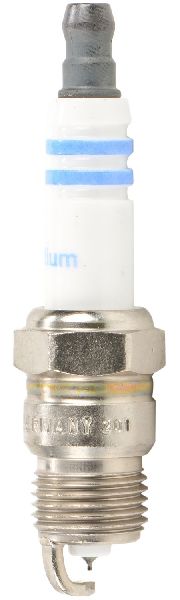
- Bosch: A German brand with a strong reputation. While they are well-made, some owners of older American cars prefer to stick with US or Japanese brands that were more common for the era.
Specialty & Budget:
- MSD & Accel: These are performance brands. Unless your Impala's engine is significantly modified for racing, you don't need these plugs. Stick to standard plugs for a stock engine.
- Skyward: This is generally a budget-focused brand. While they will work, they may not have the same lifespan or quality control as the more established brands listed above.
Important: Gapping Your New Plugs
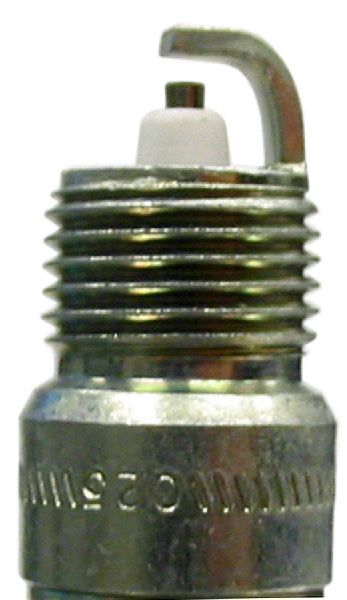
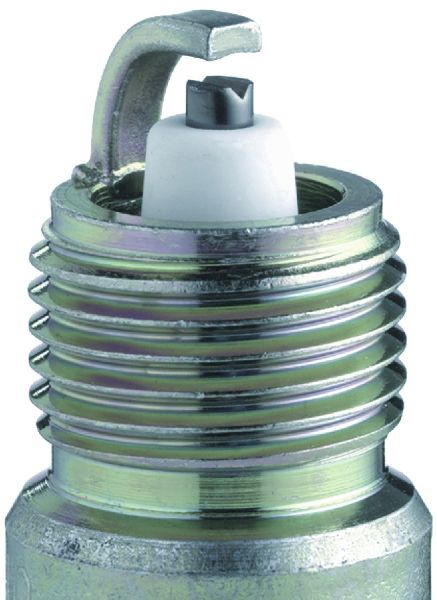
For these older engines, setting the spark plug "gap" is a critical step. The gap is the tiny space between the two electrodes at the tip of the plug. Even if plugs are advertised as "pre-gapped," you must check and adjust each one with a gapping tool before installation. The correct gap for your specific engine (usually between 0.035" and 0.045") ensures the strongest spark and best performance.
Known Issues, Recalls, and Bulletins
For vehicles of this age, official manufacturer recalls and Technical Service Bulletins (TSBs) related to spark plugs are extremely rare. Searches of the National Highway Traffic Safety Administration (NHTSA) database and TSB archives show no specific spark plug-related recalls or bulletins for the 1977-1986 Impala. Any issues you encounter will almost certainly be due to normal wear and tear of these routine maintenance parts.
| Quality Tier | Estimated Price Range (Full Set) | Notes |
|---|---|---|
| OEM-Style / Top Tier (ACDelco, NGK) | $20 - $45 | The most recommended choice for reliability and proper function. |
| Quality Aftermarket (Autolite, Champion) | $18 - $40 | Excellent value and performance for a daily driver. |
| Budget (Store Brands) | $15 - $30 | Lowest cost, but may not last as long. |
Frequently Asked Questions (FAQ)
How often should I change the spark plugs on my Impala?
For the standard copper plugs recommended for this era, a good rule of thumb is to replace them every 25,000 to 30,000 miles, or whenever you notice symptoms of failure. They are an inexpensive and effective part of a regular tune-up.
Is it hard to change the spark plugs myself?
No, this is a great DIY job for beginners. The engines in the 1977-1986 Impala have plenty of room to work. You will need a ratchet, a spark plug socket (usually 5/8"), and a gapping tool. It's recommended to change them one at a time to avoid mixing up the spark plug wires.
Do I need expensive iridium or platinum spark plugs?
No. For a stock engine from this period, standard copper-core plugs are best. The ignition systems were not designed for the different electrical requirements of platinum or iridium plugs, and you won't see any performance gain. Stick with what the factory used: a quality copper plug from a brand like ACDelco or NGK.
What happens if I don't change my spark plugs?
Ignoring bad spark plugs will lead to progressively worse performance. Your car will be harder to start, get poor gas mileage, and feel sluggish. In severe cases, a constantly misfiring cylinder can allow unburned fuel into the exhaust, which can damage your catalytic converter (if equipped).
Technical Specifications
OEM Part Numbers: R45TS CR43TS
Spark plug type and gap vary by engine. Common V8 engines use a 14mm thread, 5/8" hex, and a gap around 0.035" or 0.045". Always verify the correct part number and gap for your specific engine before purchase and installation.
We Have This Part in Stock

The information in this article is provided for general reference and educational purposes only. Vehicle specifications, procedures, and part compatibility can vary by production date, trim level, and region. Always consult your vehicle's factory service manual and verify part numbers before purchasing or performing repairs. Safety-critical components such as airbags, seat belts, and braking systems should be installed by a qualified professional.