

Chevrolet K30 Spark Plug Wire Set Guide for 1977-1986 Models
Get your classic heavy-duty Chevy running smoothly by understanding how to choose the right spark plug wire set.
- Failing spark plug wires cause noticeable issues like rough idling, misfires, and poor fuel economy.
- For K30s with stock manifolds, OEM-quality brands like ACDelco or NGK are excellent choices; for trucks with headers, high-temp silicone wires from brands like MSD or Taylor are essential.
- This is a straightforward DIY job; replace wires one at a time to maintain the correct firing order and use dielectric grease on the boots.
- There are no recalls or TSBs from NHTSA related to spark plug wires for the 1977-1986 Chevrolet K30.
Signs of Failing Spark Plug Wires
When spark plug wires on your K30 start to fail, the symptoms are usually noticeable. Because these trucks have simpler ignition systems than modern vehicles, the effects of a bad wire are often more pronounced.
- Rough Idle or Stalling: Worn wires can cause intermittent sparks, leading to an unstable engine idle.
- Engine Misfires: You might feel the engine stumble or hesitate during acceleration. This happens when a cylinder fails to fire correctly due to a weak or missing spark.
- Reduced Power and Fuel Economy: Inefficient combustion from poor spark delivery means the engine isn't making full power and is wasting fuel.
- Hard Starting: Especially in damp weather, moisture can worsen the effects of cracked insulation, making it difficult for the engine to start.
- Visible Damage or Arcing: A visual inspection might reveal cracked, burnt, or melted wire insulation. In the dark, you may even see blue sparks arcing from a damaged wire to a metal part of the engine.
Performance Wires and Headers
If your K30 is equipped with aftermarket exhaust headers, be aware that they generate significantly more heat than stock cast iron manifolds. Standard replacement wires may burn or melt. In this case, it is essential to use high-temperature silicone wires, often with 90-degree or 45-degree boots, and consider adding protective heat shields or sleeves 🎬 Watch this guide on the best wires for Chevy headers. to the wires for longevity.
Choosing the Right Aftermarket Spark Plug Wire Set
For a vehicle from this era, high-quality aftermarket wires are often superior to the original 1980s technology. Modern materials provide better heat resistance and electrical performance. There is little need to search for New Old Stock (NOS) GM parts unless performing a concours-level restoration.
Brand & Quality Tiers
Performance Brands (MSD, Accel, Taylor Cable, Granatelli):
These brands specialize in high-performance ignition systems. Their wire sets typically feature 8mm or larger silicone jackets, spiral-wound cores for low resistance and radio noise suppression, and robust terminals. They are an excellent choice for modified engines, trucks with headers, or owners who want the best possible spark delivery and durability. While some users report issues with certain MSD wires, many have long-term success when they are installed correctly.
Pro Tip: Performance wire sets from brands like Taylor or MSD are sometimes sold as "cut-to-fit" kits. This allows you to create custom-length wires for perfect routing, but it requires a special crimping tool and more installation time.
OEM-Quality Brands (ACDelco, NGK, Denso, Standard Motor Products):
ACDelco is the original equipment supplier for GM and is a trusted choice for a stock replacement. NGK and Denso are also highly respected for their ignition components. These brands provide reliable, direct-fit wire sets that meet or exceed the original specifications, making them ideal for daily drivers and standard restorations. They offer a great balance of quality and value.
🎬 Check out this review of the top spark plug wires.Budget-Friendly Brands (Delphi, Walker Products):
These brands can offer a functional replacement at a lower price point. While they may not have the same high-performance features or robust construction as premium brands, they can be a suitable option for a budget-conscious repair on a stock vehicle. However, some forum users caution against the cheapest available options, as they have experienced issues like arcing right out of the box.
Cost of Replacing a Spark Plug Wire Set (1977-1986 Chevrolet K30)
| Item | Estimated Cost |
|---|---|
| New Aftermarket Spark Plug Wire Set | $25 - $255 |
| Shop Labor | $100 - $200 |
| Total Professional Replacement | $125 - $455 |
Frequently Asked Questions (FAQ)
Do I need to replace the spark plugs at the same time?
It is highly recommended. Spark plugs and wires are both wear items in the ignition system. Replacing them together ensures the entire secondary ignition system is in top condition and saves you from doing a similar job twice.
What does the wire diameter (e.g., 8mm, 10.5mm) mean?
The diameter refers to the overall thickness of the wire, including the insulation. A thicker wire generally offers better insulation against heat and voltage arcing. Performance wires often have larger diameters (8mm, 8.5mm, or even 10.5mm) and silicone jackets for superior heat resistance.
Should I use dielectric grease?
Yes. Applying a small amount of dielectric grease to the inside of the spark plug boots and distributor cap terminals is crucial. It prevents moisture intrusion, corrosion, and helps keep the boots from getting stuck to the spark plugs, making future removal much easier.
Are there any recalls on K30 spark plug wires?
No. A search of the National Highway Traffic Safety Administration (NHTSA) database shows no recalls or technical service bulletins (TSBs) specifically for spark plug wires on the 1977-1986 Chevrolet K30. An unrelated recall existed for certain aftermarket oil filters that could fit these trucks.
Helpful Videos

Technical Specifications
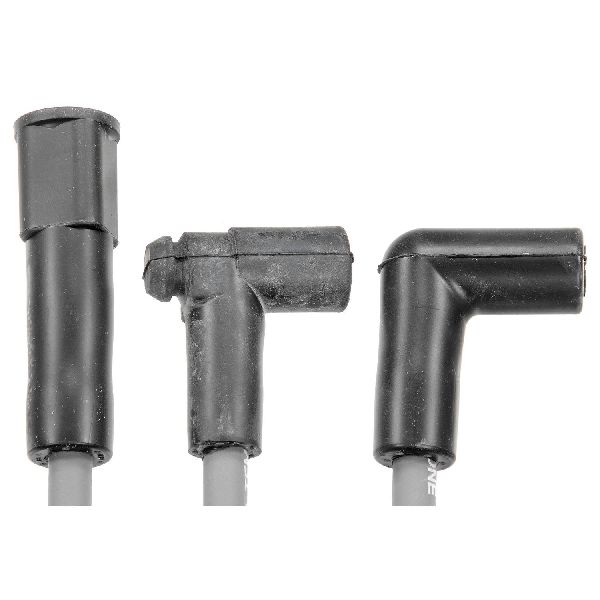
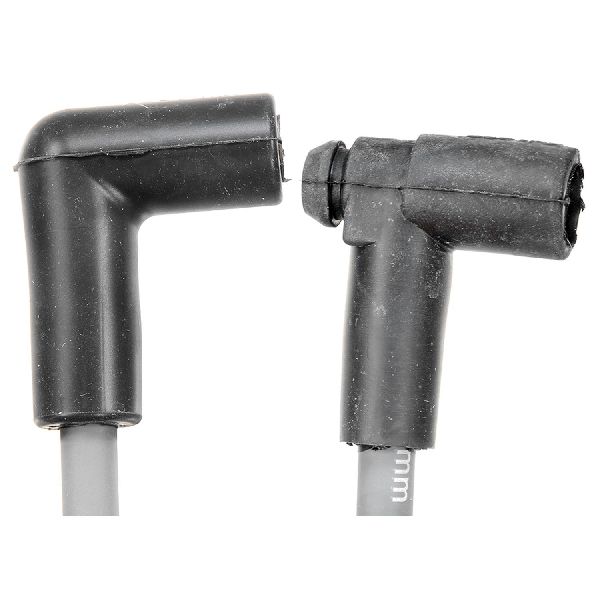
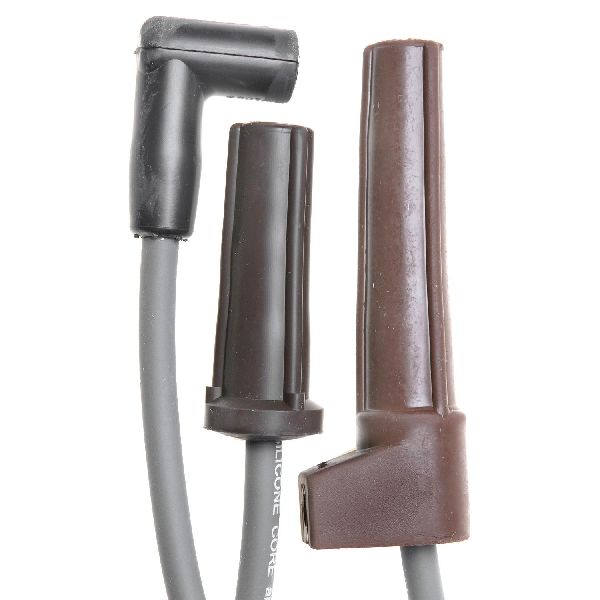
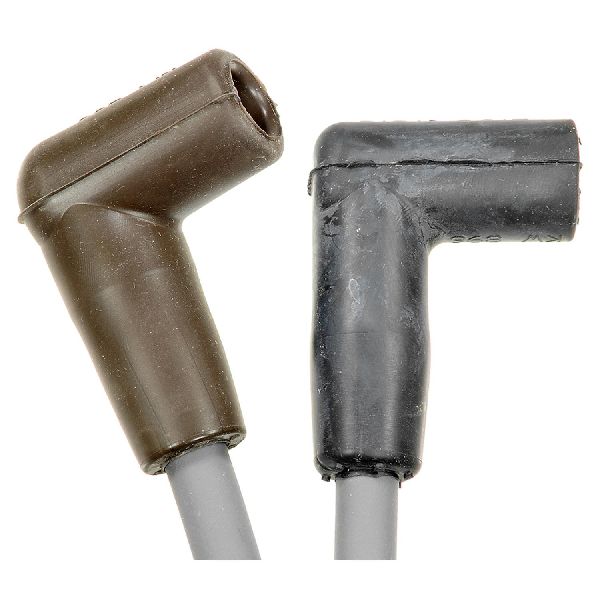
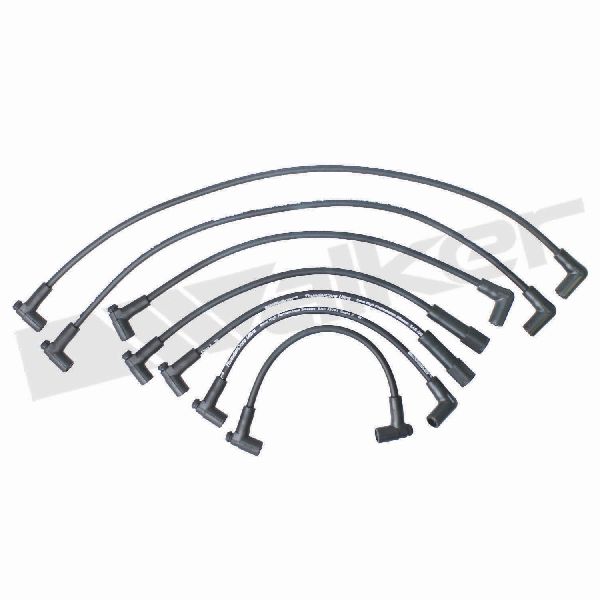
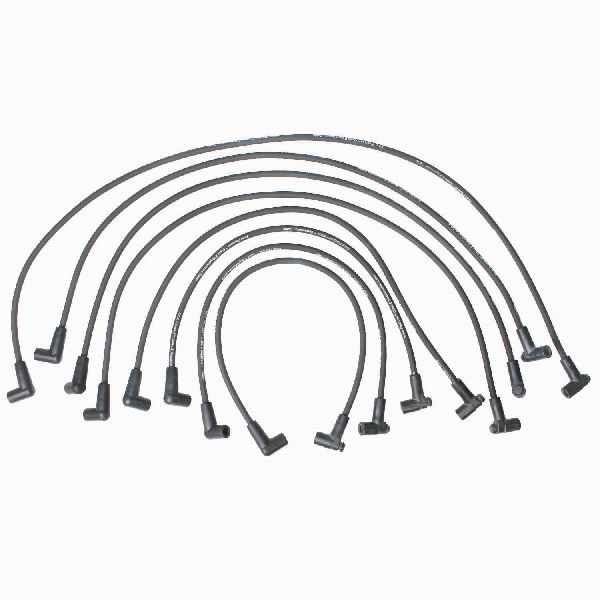
Varies by engine type (e.g., 350ci, 454ci) and distributor type (HEI). Sets typically include 8 spark plug wires and 1 coil wire. Boot angles (straight, 45°, 90°) and wire diameter (e.g., 8mm) are key specifications.
We Have This Part in Stock

The information in this article is provided for general reference and educational purposes only. Vehicle specifications, procedures, and part compatibility can vary by production date, trim level, and region. Always consult your vehicle's factory service manual and verify part numbers before purchasing or performing repairs. Safety-critical components such as airbags, seat belts, and braking systems should be installed by a qualified professional.