

A Ford Mechanic's Guide to 1977-1986 Bronco Rear Drum Brake Shoes
Get your classic Bronco stopping safely and reliably with the right set of new aftermarket brake shoes.
- Always replace brake hardware (springs, clips, adjusters) with the shoes to ensure proper function and prevent noise.
- Inspect wheel cylinders for fluid leaks and brake drums for scoring or wear; resurface or replace drums as needed.
- The self-adjusting mechanism must be clean, lubricated, and correctly installed for the brakes to maintain proper adjustment over time.
- For this vintage of Bronco, quality aftermarket brands like Wagner and Centric are the industry standard for replacement.
Symptoms of Worn-Out Drum Brake Shoes
When your Bronco's rear brake shoes are worn, your truck will give you several warning signs. Ignoring them can lead to longer stopping distances and potential damage to other brake parts, like the drums themselves.
- Scraping or Grinding Noises: A metal-on-metal grinding sound when you brake is a critical sign. It means the friction material is gone, and the shoe's metal backing is digging into the brake drum.
- Spongy or Low Brake Pedal: If your brake pedal feels soft or sinks closer to the floor than usual, it can indicate worn shoes that have to travel farther to contact the drum.
- Ineffective Parking Brake: A parking brake that doesn't hold the truck firmly on a hill is a classic symptom of worn or out-of-adjustment rear shoes. The truck might roll slightly after the brake is engaged.
- Vibrations or Pulsing: While more common with warped disc brake rotors, severely worn shoes or out-of-round drums can cause a pulsing sensation in the brake pedal.
- Vehicle Pulling to One Side: If the brakes on one side are more worn than the other, it can cause your Bronco to pull left or right during braking.
Pro Tip: Replace More Than Just the Shoes
For a reliable, long-lasting brake job on a vehicle of this age, always replace the hardware kit along with the shoes. This includes all the springs, clips, and pins. Old springs can weaken with heat and age, causing noise, dragging, or improper adjustment. It is also the perfect time to inspect the wheel cylinders for any signs of brake fluid leaks and check the brake drums for scoring or being worn beyond their maximum diameter.
Choosing the Right Aftermarket Brake Shoes
Original Ford OEM brake shoes for this generation are no longer in production. The market consists entirely of aftermarket brands, which offer a range of quality and performance levels. For a 1977-1986 Bronco, a quality aftermarket set is the standard and correct choice.
Brand Quality Tiers
Based on owner feedback and brand reputation, here is a breakdown of the available brands:
- OE-Quality / Daily Driver Brands: These brands are known for providing reliable, quiet performance that meets or exceeds original factory specifications. They are the go-to choice for most owners doing stock restorations or daily driving.
- Wagner Brakes: A long-established brand in the brake industry, widely regarded as a dependable, high-quality choice for standard replacements.
- Centric Parts: A major aftermarket supplier with a reputation for good quality and fitment, often considered an excellent OE-equivalent.
- Performance & Heavy-Duty Brands: If you use your Bronco for towing, hauling heavy loads, or more demanding off-road use, these brands offer pads designed for better heat dissipation and stopping power.
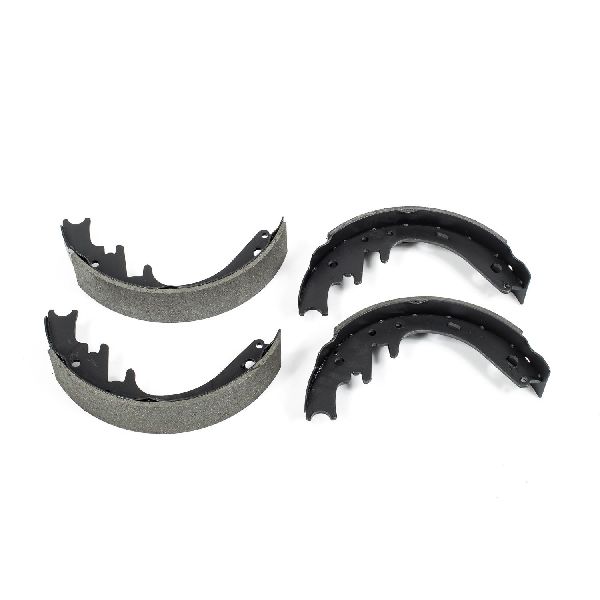
- Powerstop: Well-known for their performance brake kits, Powerstop offers shoes that are a solid upgrade over stock for improved braking performance.
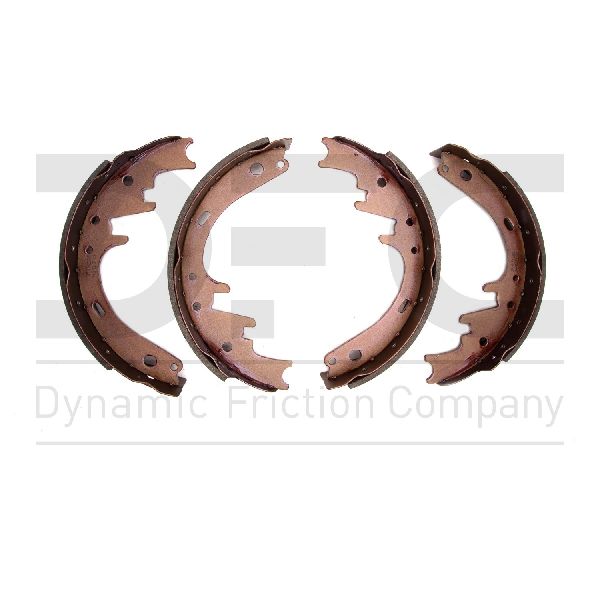
- Dynamic Friction (DFC): This brand offers various lines, including heavy-duty and performance options designed to provide consistent stopping power under tough conditions.
- Economy Brands: These brands meet basic requirements and can be a good choice for a limited-use vehicle or if budget is the primary concern.
- Total Stopping Solutions: A value-focused brand that provides a functional, budget-friendly replacement part.
Cost of New Aftermarket Drum Brake Shoes (1977-1986 Ford Bronco)
| Part | Price Range |
|---|---|
| New Aftermarket Drum Brake Shoe Set | $45.34 - $73.80 |
| Brake Hardware Kit (Recommended) | $15 - $30 |
| Shop Labor Estimate | $150 - $300 |
Frequently Asked Questions (FAQ)
Do I really need to replace the springs and hardware?
Yes. The springs are critical for pulling the shoes back from the drum and ensuring the self-adjuster works correctly. Old, heat-cycled springs can lose their tension, leading to dragging brakes, noise, and premature wear. For the low cost of a hardware kit, it is cheap insurance for a proper brake job.
What does the self-adjuster do?
The self-adjusting mechanism is a small lever and cable system that automatically adjusts the shoes outward as they wear down. It typically engages when you apply the brakes while backing up. If this system is seized with rust or installed incorrectly, your brakes will lose effectiveness over time, and the pedal will feel low.
Should I have my brake drums resurfaced ('turned') or replaced?
You should always have the drums inspected. If they are smooth and within the maximum diameter specification (stamped on the drum itself), they can be reused. If they have deep grooves, scoring, or a pronounced lip on the edge, they should be resurfaced at an auto parts store or machine shop. If they are already at or beyond the maximum diameter, they must be replaced.
What's the difference between bonded and riveted shoes?
Riveted shoes have the friction material attached to the metal backing with rivets, while bonded shoes use a high-temperature adhesive. Both work well. Riveted shoes were common from the factory, but modern bonded shoes are just as reliable and prevent any possibility of the rivet heads contacting and scoring the drum at the end of the shoe's life.
Technical Specifications
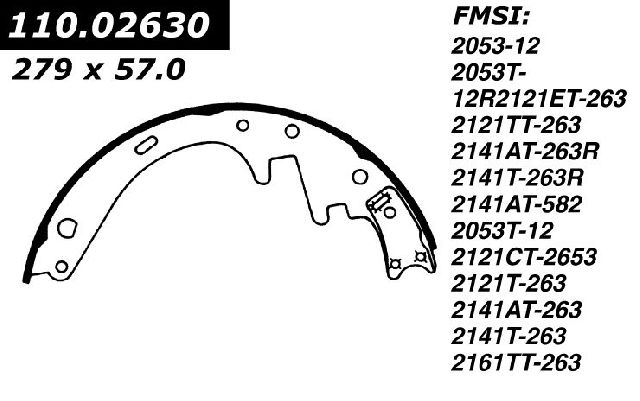
The 1977-1986 Ford Bronco typically uses 11-inch rear drum brakes. However, always verify the specific size for your vehicle, as variations can exist.
We Have This Part in Stock


The information in this article is provided for general reference and educational purposes only. Vehicle specifications, procedures, and part compatibility can vary by production date, trim level, and region. Always consult your vehicle's factory service manual and verify part numbers before purchasing or performing repairs. Safety-critical components such as airbags, seat belts, and braking systems should be installed by a qualified professional.