

Ford LTD Radiator Coolant Hose Replacement Guide (1977-1986)
Keep your classic Ford LTD running cool and prevent engine damage by knowing when and how to replace your radiator hoses.
- Hoses on a 1977-1986 LTD fail from age; inspect for cracks, swelling, and leaks regularly.
- Choose a quality aftermarket brand like Gates or Continental for the best fit and longevity on these classic V8 engines.
- Always replace both upper and lower hoses and the clamps at the same time to ensure a reliable repair.
- An overheating engine is a critical symptom; pull over immediately to avoid expensive damage like a warped head.
Signs of a Failing Radiator Hose on Your LTD
For a car from this era, rubber components are especially prone to failure from age, heat, and oil contamination. It's important to inspect your hoses regularly. 🎬 Watch: A quick guide on how to check your hoses. A healthy hose feels firm but flexible when the engine is cool. Here are the key warning signs that your LTD's radiator hoses need to be replaced:
- Visible Cracks and Damage: Look for cracks, splits, or fraying on the hose surface. Over time, the rubber becomes brittle and can't handle the pressure and temperature changes.
- Swelling or Bulging: Soft, spongy, or bulging spots are weak points that are about to burst. Oil contamination from other engine leaks can soften the rubber and cause it to swell.
- Coolant Leaks: This is the most obvious sign. You may see puddles of green or yellow fluid under the front of your car, or notice a sweet smell after driving. Look for white or rusty-colored crusty deposits around the hose connections, which indicates a slow leak.
- Engine Overheating: If your LTD's temperature gauge is climbing higher than normal, it could be due to a leaking or collapsed hose preventing proper coolant flow. A collapsed lower hose, which can get sucked inward by the water pump, is a common cause of overheating.
- Low Coolant Level: Frequently needing to top off your coolant reservoir is a sure sign of a leak somewhere in the system, and the hoses are a primary suspect.
Critical Warning: Overheating Can Destroy Your Engine
If you see steam coming from under the hood or your temperature gauge enters the red zone, pull over immediately and shut off the engine. A complete hose failure can drain the coolant in minutes, leading to catastrophic engine damage like a warped cylinder head or blown head gasket, which some owners have reported.
Choosing the Right Aftermarket Hose
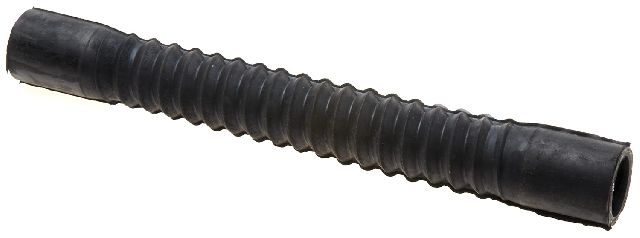
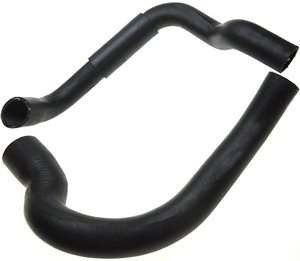
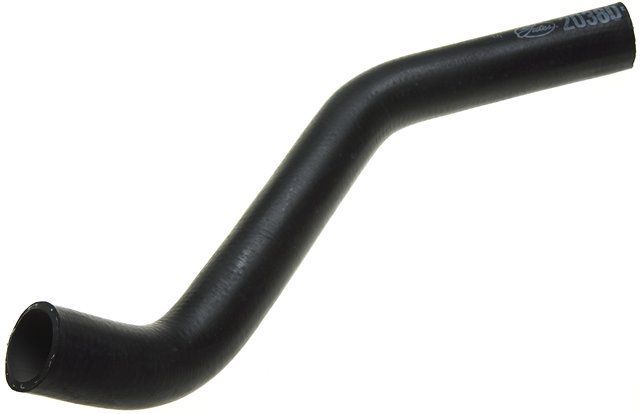
For a vehicle as old as the 1977-1986 LTD, finding original Ford (OEM) hoses is nearly impossible. The good news is that aftermarket brands produce quality molded hoses designed to fit your specific engine, whether it's the 5.0L (302) or 5.8L (351) V8. Modern rubber compounds are often more resistant to heat and oil than the originals. The key is choosing a reputable brand to ensure proper fitment, as a poorly shaped hose can kink or rub against other parts.
Brand Quality Tiers
- Good (Standard Replacement): Dayco - Dayco is a widely available and affordable option. They are generally considered a reliable standard replacement for daily drivers. While some users report they can be slightly thinner than other brands, they typically meet the needs for stock applications.
- Better (OEM Quality): Gates, Continental - Gates has a strong reputation for quality and accurate cataloging, which helps ensure you get the right part. Many professional mechanics and enthusiasts prefer Gates. Continental (which acquired Goodyear's hose division) is also a top-tier brand known for long-lasting rubber products. These brands often use EPDM rubber, which is highly resistant to electrochemical degradation, a common cause of internal hose failure.
Pro Tip: Replace Hoses and Clamps Together
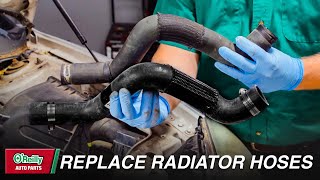
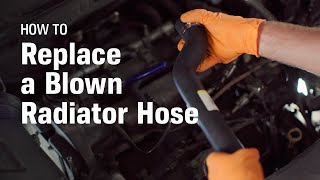
It's highly recommended to replace both the upper and lower radiator hoses at the same time. If one has failed due to age, the other is likely not far behind. Also, replace the old hose clamps. 🎬 See this walkthrough for replacing upper and lower radiator hoses. Spring-style clamps lose their tension over time, and worm-gear clamps can damage the new hose if over-tightened. New spring clamps are often the best choice for providing even pressure as the hose heats and cools.
Typical Replacement Costs for a 1977-1986 Ford LTD
Costs are estimates and can vary by location and engine type.
| Part/Service | Estimated Cost |
|---|---|
| New Aftermarket Radiator Hose (Single) | $21 - $53 |
| Shop Labor | $100 - $200 |
| Total Professional Replacement (Parts & Labor) | $140 - $300 |
Frequently Asked Questions
Are there any recalls for my LTD's radiator hoses?
No, there are no specific recalls or Technical Service Bulletins (TSBs) from Ford or the NHTSA for radiator coolant hoses on the 1977-1986 Ford LTD. Failures are typically due to the age and wear of the rubber components.
Is it hard to replace the radiator hoses myself?
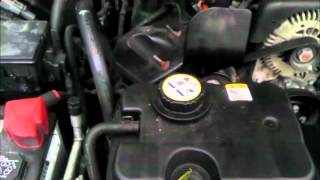
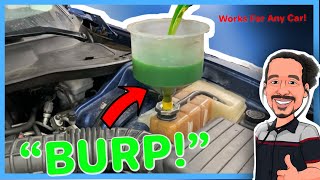
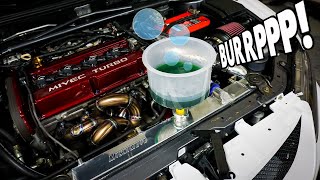
For a mechanically inclined owner, this is a very feasible DIY job. Access to the hoses on these older V8 engines is generally good. The process involves draining the coolant, using pliers or a screwdriver to remove the clamps, replacing the hoses, and then refilling and bleeding the air from the cooling system. 🎬 Watch: How to properly bleed air out of your cooling system. The most difficult part can be removing a hose that is stuck to the radiator or engine outlet after decades.
Should I use sealant on the new hoses?
No, you should not use any type of sealant or RTV on modern radiator hose connections. The hose is designed to create a seal on its own. Sealants can interfere with the seal and even break down, potentially clogging the cooling system. Simply ensure the connection points on the radiator and engine are clean and smooth before installing the new hose.
My lower hose has a spring inside it. Do I need that?
Yes. The spring inside the lower radiator hose is important. It prevents the hose from collapsing under the suction of the water pump, which can happen at higher RPMs and restrict coolant flow, causing overheating. Make sure your new aftermarket lower hose either comes with a spring or you can transfer the old one if it's in good condition.
What kind of coolant should I use in my Ford LTD?
For this vintage of vehicle, the traditional green inorganic acid technology (IAT) coolant is typically the correct type. Mixing coolant types can cause gelling and clog your radiator and heater core. Always consult your owner's manual or a reliable service guide to confirm the correct coolant for your specific year and engine.
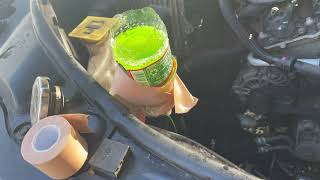
Helpful Videos
Technical Specifications
The 1977-1986 Ford LTD was part of the Panther Platform from 1979-onward and was available with several V8 engines, including the 5.0L (302ci Windsor), 5.8L (351ci Windsor or 351M), 6.6L (400ci), and 7.5L (460ci). Hoses are specific to the engine and the presence of air conditioning, so verifying your vehicle's configuration is essential before ordering.
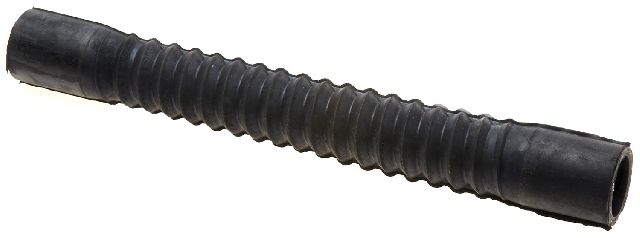
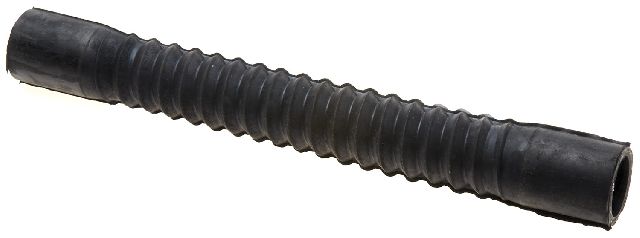
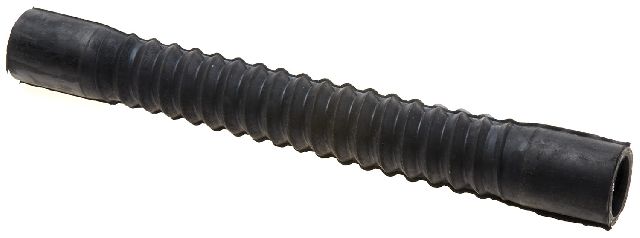
We Have This Part in Stock

The information in this article is provided for general reference and educational purposes only. Vehicle specifications, procedures, and part compatibility can vary by production date, trim level, and region. Always consult your vehicle's factory service manual and verify part numbers before purchasing or performing repairs. Safety-critical components such as airbags, seat belts, and braking systems should be installed by a qualified professional.
- 🎬 Helpful Videos
- 🛍️ Shop This Part
- Signs of a Failing Radiator Hose on Your LTD
- Critical Warning: Overheating Can Destroy Your Engine
- Choosing the Right Aftermarket Hose
- Brand Quality Tiers
- Pro Tip: Replace Hoses and Clamps Together
- Typical Replacement Costs for a 1977-1986 Ford LTD
- Frequently Asked Questions
- 🎟️ Get 5% Off