

A Deep Dive into the Distributor for the 1977-1987 Oldsmobile Delta 88
Everything you need to know to fix ignition problems and choose the right new distributor for your classic Olds.
- Failures are almost always due to the internal ignition module or pickup coil; replacing the whole unit is the best long-term fix.
- Before removing the old distributor, you MUST mark the position of the rotor and the housing to make installation and timing easier.
- For a stock daily driver, a mid-grade brand like Pertronix or Accel offers a good balance of cost and reliability.
- Budget brands like Cardone are a gamble; forum users report inconsistent quality and early failures.
Is Your Distributor Failing?
A bad distributor can leave you stranded. The parts inside, like the ignition module and pickup coil, wear out over time from heat and use. If your Delta 88 is suddenly running poorly, the distributor is a likely suspect. Watch for these common signs:
- Engine Misfires: The car may shake or sputter, especially at idle or under acceleration.
- Trouble Starting: The engine cranks but won't start, or takes a long time to fire up. This can be intermittent, happening only when the engine is hot or cold.
- Stalling: The engine may die unexpectedly while driving and may or may not restart.
- Backfiring: A loud pop from the engine or exhaust can indicate that spark timing is way off.
- Shaky Acceleration: The car hesitates or feels weak when you press the gas pedal.
No-Start Condition is Common
The most common failure mode for the internal components, like the ignition module, is sudden death. The car may run perfectly fine, then refuse to start after being parked. Many owners carry a spare ignition module and the tools to change it for this reason.
Choosing the Right Aftermarket Distributor
Since original GM parts are no longer made, you'll be choosing from aftermarket brands. The quality and price vary widely. Your choice depends on your budget and how you use your car.
Brand Quality Tiers
Performance Tier (MSD, FAST, Edelbrock): These brands are for owners looking for the best performance, often for modified engines. They offer precision-machined housings, stable timing, and powerful spark output at high RPMs. While MSD is a top name, some users feel their budget lines have declined in quality, so stick to their higher-end billet products for proven reliability.
Mid-Grade Tier (Pertronix, Accel): This is the sweet spot for most owners of daily drivers or mildly upgraded cars. Pertronix is well-regarded for their complete HEI distributors and have a solid reputation, though some older models had issues if the key was left on with the engine off. Accel offers a wide range of products, from basic replacements to performance models, and is generally seen as a good step up from stock.
Standard / Economy Tier (Cardone, WAI Global, Skyward): These brands focus on providing a low-cost, stock-style replacement. Cardone is a major supplier of both new and remanufactured parts. However, forum discussions frequently mention inconsistent quality control, with some units failing prematurely or having improper advance curves. These are a budget option, but reliability can be a gamble.
Pro Tip: Check the Gear
The distributor gear must be compatible with your engine's camshaft. Most Oldsmobile V8s from this era use a standard cast iron gear. If you have an aftermarket roller camshaft, you will likely need a special bronze or melonized steel gear to prevent rapid wear. Always check with your cam manufacturer for their recommendation.
Cost to Replace a 1977-1987 Oldsmobile Delta 88 Distributor
The cost will depend on the brand you choose and whether you do the work yourself or hire a professional.
| Part Type | Estimated Cost |
|---|---|
| New Aftermarket (Economy) | $110 - $200 |
| New Aftermarket (Mid-Grade) | $200 - $450 |
| New Aftermarket (Performance) | $450 - $800+ |
| Remanufactured | $90 - $150 |
| Shop Labor | $150 - $300 |
Frequently Asked Questions
Do I need to replace the whole distributor or just the cap?
If you just have carbon tracking or cracks on the cap, a new cap and rotor might solve your problem. However, if the engine is stalling or has a no-spark issue, the problem is likely the ignition module or pickup coil inside the distributor. Given the age of these vehicles, replacing the entire assembly with a new unit is often the most reliable long-term repair.
What is an HEI distributor?
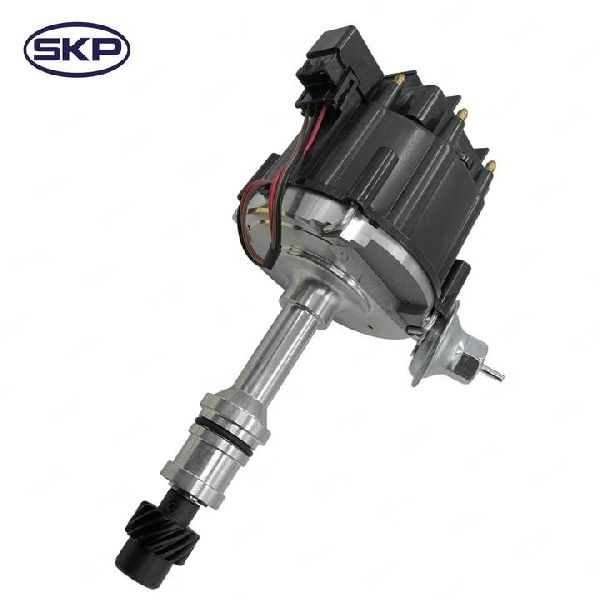
HEI stands for High Energy Ignition. It's an electronic ignition system developed by GM that combines the ignition coil, ignition module, and distributor into one self-contained unit. It produces a much stronger spark than the older points-style systems, allowing for better performance and reliability.
Is replacing the distributor a DIY job?
Yes, for someone with basic mechanical skills. The process involves removing the cap, marking the rotor's position, unbolting the old distributor, and installing the new one. The most critical step is ensuring the new distributor is installed in the exact same position to maintain correct timing. You will also need a timing light to set the final ignition timing accurately after the installation.
What happens if I install the distributor incorrectly?
If the distributor is installed 180 degrees out, the engine will not start and may backfire through the carburetor. If it's off by just a few teeth, the engine may run very poorly or not start at all. This is why marking the original position of the rotor and distributor housing before removal is extremely important.
Are there any recalls for the distributor on my Delta 88?
No, there have been no recalls or major Technical Service Bulletins (TSBs) issued by the NHTSA for distributor-related issues on the 1977-1987 Oldsmobile Delta 88. All known problems are related to the age and normal service life of the components.
Technical Specifications
OEM Part Numbers: 1103413 1103414 1103437
System Type: GM High Energy Ignition (HEI). Coil Style: Internal (in-cap). Advance Type: Mechanical and Vacuum.
We Have This Part in Stock

The information in this article is provided for general reference and educational purposes only. Vehicle specifications, procedures, and part compatibility can vary by production date, trim level, and region. Always consult your vehicle's factory service manual and verify part numbers before purchasing or performing repairs. Safety-critical components such as airbags, seat belts, and braking systems should be installed by a qualified professional.