

Pontiac Firebird Alternator Guide for 1977-1987 Models
Keep your classic Firebird's electrical system healthy by choosing the right new alternator.
- A whining noise or dimming lights are the most common early warnings of alternator failure.
- For this generation of Firebird, replacing the alternator is a simple, one-hour job suitable for DIYers with basic tools.
- If you have added modern electronics like a stereo or electric fans, upgrade to a high-output alternator (100+ amps).
- ACDelco and Bosch are top-tier brands for quality, while Powermaster is a go-to for high-output performance upgrades.
Is Your Firebird's Alternator Failing?
The alternator in a second or third-generation Firebird is a hard-working part. After decades of service, failure is common due to normal wear on internal parts like bearings and brushes. Ignoring the warning signs can leave you stranded. Watch for these symptoms to know when it's time for a replacement.
Key Failure Symptoms:
- Dimming or Flickering Lights: One of the most common signs is your headlights and dash lights getting dimmer at idle and brighter when you rev the engine. This indicates the alternator isn't producing consistent voltage.
- Whining or Grinding Noises: A high-pitched whine or a grinding sound that changes with engine speed is a classic symptom of bad alternator bearings.
- Battery Warning Light: If your dashboard has a battery-shaped light (or one that says "ALT" or "GEN"), it will illuminate if the system voltage drops too low.
- Weak or Dead Battery: If you jump-start your car and it dies again shortly after, the alternator is the likely culprit because it's not recharging the battery. A healthy, running Firebird should show 13.8 to 14.4 volts when tested at the battery terminals with a multimeter.
- Strange Smells: A scent of burning rubber or hot wires could mean the alternator is overheating or its belt is slipping and burning.
Can I Drive with a Bad Alternator?
It's not recommended. Once the alternator fails, your Firebird runs only on battery power. This will only last for a very short time before the battery is completely drained, shutting down the ignition and leaving you stranded.
Choosing the Right Aftermarket Alternator
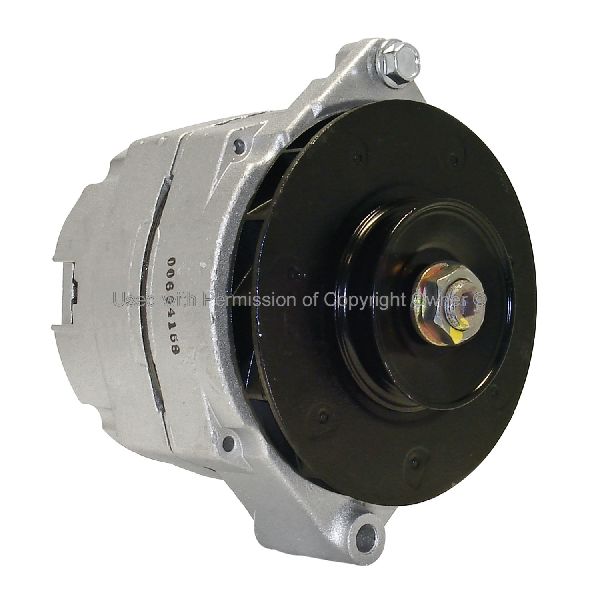
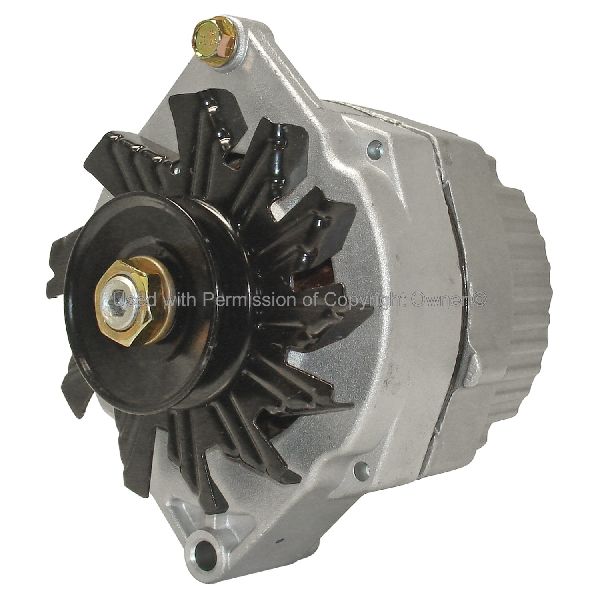
Original OEM Delco Remy alternators for this era are long discontinued. Today's market is all about new and remanufactured aftermarket parts. For a classic car like the Firebird, a quality aftermarket unit is often the best and only choice. The key is selecting the right amperage and a reputable brand.
Amperage: Stock vs. High-Output
Stock alternators for these Firebirds typically ranged from 63 to 105 amps, depending on the engine and factory options like A/C and power accessories. For a mostly original car, a stock amperage replacement is fine. However, if you've added modern electronics like a powerful stereo, electric fans, or a high-energy ignition, you should upgrade to a high-output alternator (140 amps or more) to handle the extra electrical load.
Aftermarket Brand Tiers
Not all brands are created equal. Here’s a breakdown of the brands available for your Firebird:
- OEM-Grade & Premium Aftermarket (Best Quality): Brands like ACDelco and Bosch are well-regarded for their quality and reliability, often meeting or exceeding original factory standards. ACDelco is a GM-affiliated brand and a popular choice for restoration projects.
- Performance & High-Output (Upgrade Options): Powermaster and Proform specialize in high-amperage and performance-oriented alternators. They are an excellent choice if you have upgraded electronics and need more power than stock.
- Standard Aftermarket (Value-Focused): Brands like WAI Global, BBB Industries, MPA, and Remy offer reliable, budget-friendly replacements that are a good fit for daily drivers or stock vehicles. While generally dependable, quality can sometimes be inconsistent with remanufactured units from any brand.
Pro Tip: When upgrading to a high-output alternator, make sure your wiring is up to the task. You may need to install a heavier gauge wire (a "Big 3" wiring upgrade) from the alternator to the battery to safely handle the increased current.
Cost of a New Alternator (1977-1987 Firebird)
| Part Type | Estimated Cost |
|---|---|
| New Aftermarket Alternator | $38 - $440 |
| Remanufactured Aftermarket | $50 - $200 |
| Shop Labor for Installation | $100 - $200 |
Frequently Asked Questions
Is it hard to replace the alternator on a 1977-1987 Firebird?
No, it is a relatively simple job for a DIY mechanic. It involves disconnecting the battery, loosening the drive belt, and removing two main bolts and two electrical connections. The entire job can usually be done in about an hour with basic hand tools.
What tools do I need to replace my Firebird's alternator?
You will need basic hand tools, including a socket set (typically 13mm, 14mm, and 15mm sockets), wrenches, and possibly a pry bar for tensioning the belt. Always disconnect the negative battery terminal first for safety.
What's the difference between a 10SI and 12SI alternator?
The 12SI alternator was an upgrade to the 10SI used throughout the 1980s. It runs cooler and generally offers better performance at idle and higher amperage outputs, like 94 amps compared to the common 63-amp 10SI. They are often interchangeable with the same wiring plug.
Should I get a new or remanufactured alternator?
Both new and quality remanufactured units from reputable brands can be reliable. New units are made with all-new components, while remanufactured ones are rebuilt to factory specs. Some owners report going through multiple 'bad-out-of-the-box' remanufactured units from parts stores, so it's wise to have it tested before you leave the store.
Technical Specifications
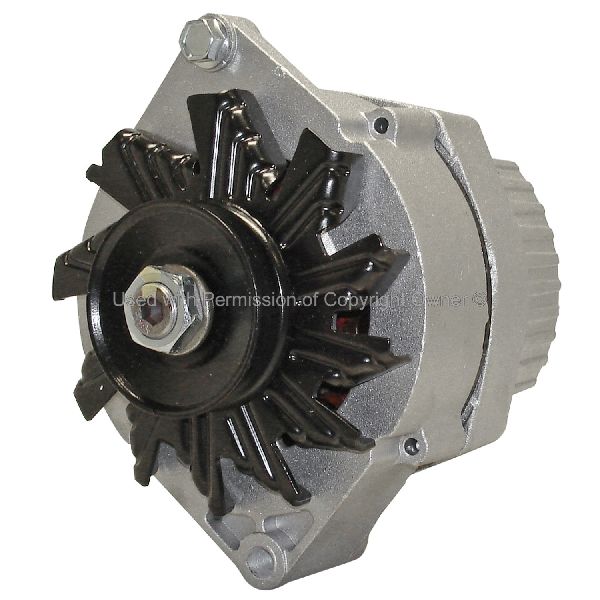
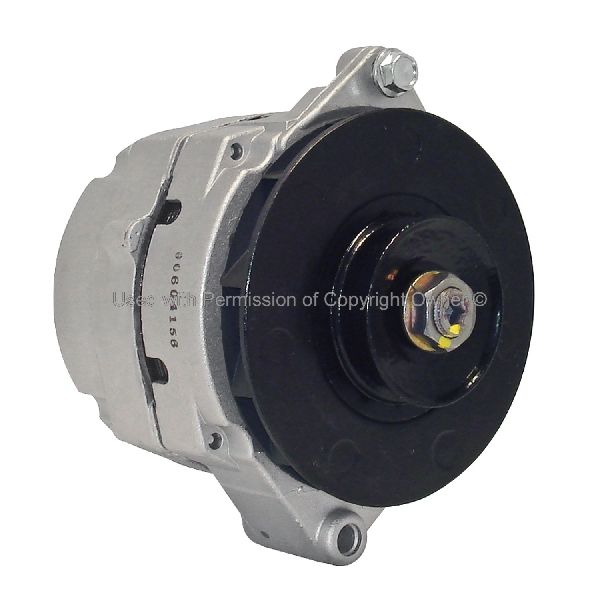
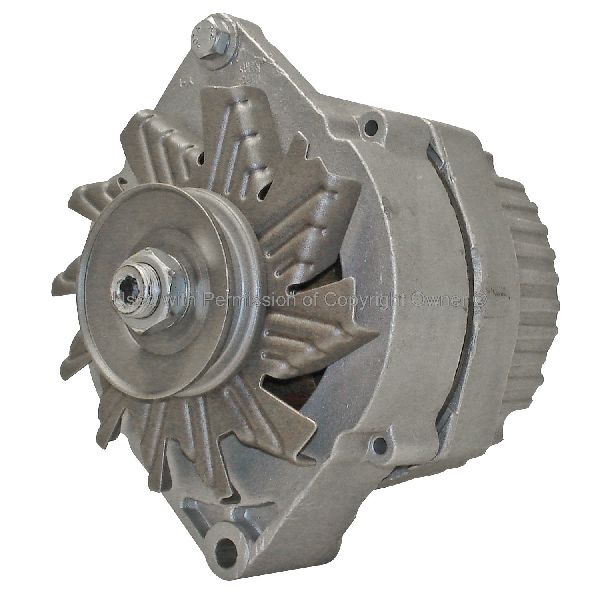
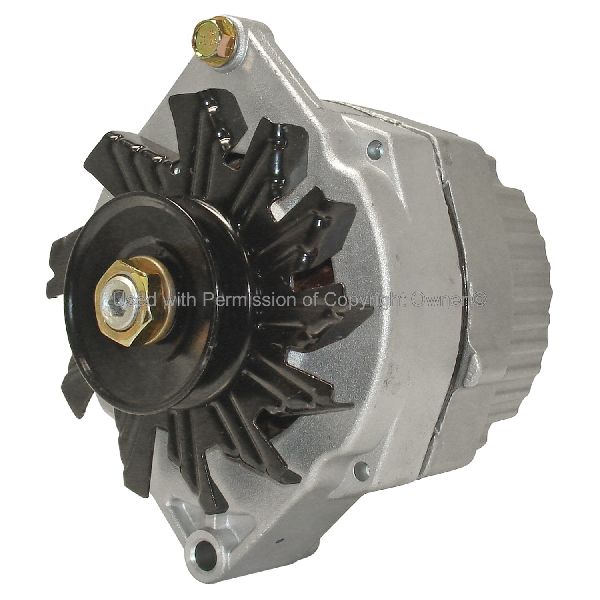
Case Style: Delco 10SI, 12SI Voltage: 12V Amperage Range (Stock): 63-105 Amps Regulator: Internal Pulley Type: V-Belt (early models), Serpentine (later models)
We Have This Part in Stock

The information in this article is provided for general reference and educational purposes only. Vehicle specifications, procedures, and part compatibility can vary by production date, trim level, and region. Always consult your vehicle's factory service manual and verify part numbers before purchasing or performing repairs. Safety-critical components such as airbags, seat belts, and braking systems should be installed by a qualified professional.