

Dodge W150 Mechanical Fuel Pump: A Complete Guide for 1977-1988 Models
Solve stalling and power loss issues by understanding how to choose the right mechanical fuel pump for your classic Dodge truck.
- A failing pump causes hesitation, stalling, and no-start issues; a visible leak is a critical fire hazard.
- Replacement is DIY-friendly, located on the engine block, and takes about 1-2 hours.
- Aftermarket quality varies; Carter is a traditional choice, Edelbrock/Holley are performance upgrades, and brands like Spectra offer a budget option.
- Always replace the fuel filter at the same time as the pump to protect the new part from debris.
Is Your Dodge W150 Fuel Pump Failing?
A failing mechanical fuel pump can cause a range of frustrating engine problems. Because these trucks are from a carbureted era, the symptoms are often distinct from modern fuel injection issues. Recognizing the signs early can prevent you from getting stranded.
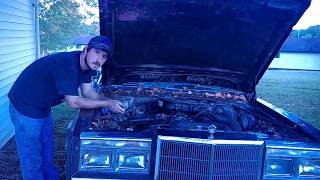
🎬 Watch: A visual guide to common bad fuel pump symptoms.Common Failure Symptoms:
- Engine Hesitation or Sputtering: When you press the gas pedal, the truck may hesitate or sputter before accelerating. This happens because the weak pump can't supply the extra fuel the engine needs.
- Loss of Power: The truck may feel sluggish, especially when climbing hills or carrying a load. This indicates the carburetor isn't getting enough fuel to make adequate power.
- Engine Stalling: The engine might stall at idle, when coming to a stop, or even while driving. It may restart after a few minutes once the pump has cooled down.
- Trouble Starting or No-Start: A completely failed pump will not deliver any fuel, preventing the engine from starting at all. You might crank the engine, but it will never fire.
- Visible Fuel Leaks: A critical sign is fuel leaking from the pump body itself. This is often caused by a ruptured internal diaphragm and is a major fire hazard that requires immediate attention.
- Gas in the Engine Oil: If the diaphragm ruptures internally, it can leak fuel directly into the engine crankcase. If you check your oil and it smells strongly of gasoline, a bad fuel pump is a likely cause.
Choosing the Right Aftermarket Fuel Pump
For vehicles of this age, original Mopar parts are generally no longer available. The market consists entirely of aftermarket brands with varying levels of quality and performance. Choosing the right one depends on your budget and how you use your truck.
Brand Quality Tiers
Based on owner experiences and brand reputation, aftermarket fuel pumps for your W150 can be grouped into the following tiers:
Performance Tier: Edelbrock, Holley
These brands are designed for high-performance applications but work well as robust, heavy-duty replacements for stock engines. They are built with high-quality components and offer higher flow rates (GPH). A comparison of manufacturing suggests Edelbrock may use a more durable lever design in some models. Be aware that some performance pumps can produce pressure that is too high for a stock carburetor, potentially requiring a separate fuel pressure regulator to be installed. Expect to pay a premium for these brands.
Premium OEM-Style Tier: Carter
Carter has a long history as an OEM supplier and is often considered a reliable, high-quality stock replacement. Many owners have had good long-term success with Carter pumps. However, be aware that some recent reviews have mentioned inconsistent quality control and pressure ratings that are higher than advertised. An aftermarket recall in 2007 for improperly installed diaphragms included some Carter-branded pumps, highlighting that quality can vary.
Standard & Economy Tier: Delphi, Spectra, GMB, US Motor Works
These brands offer a budget-friendly solution. Spectra Premium generally receives positive reviews for its value, with many users reporting good fit and function for the price, though longevity might not match premium brands. Delphi, despite its strong reputation in the OE world, has very mixed reviews for its mechanical pumps, with reports of both perfect function and immediate failure. GMB and US Motor Works are also economy options, but with less direct feedback for this specific application, they fall into the category of standard replacement parts where quality can be inconsistent.
Cost of Replacing a Dodge W150 Mechanical Fuel Pump
Replacing a mechanical fuel pump is one of the more affordable repairs for a classic truck. Unlike modern vehicles that require dropping the fuel tank, the pump on the 1977-1988 W150 is mounted on the side of the engine block, making it much easier to access.
| Item | Estimated Cost |
|---|---|
| New Aftermarket Part | $35 - $60 |
| Shop Labor | $100 - $225 |
| Estimated Total (Professional) | $135 - $285 |
| Estimated Total (DIY) | $35 - $60 (Part Only) |
Cost estimates are approximate and can vary by location and repair shop rates. These figures are specific to an engine-mounted mechanical pump and are much lower than modern in-tank pump replacements.
Frequently Asked Questions (FAQ)
Can I replace the fuel pump myself?
Yes, this is a very DIY-friendly job for someone with basic mechanical skills. The pump is held on by two bolts, with two or three fuel line connections. The main challenges are accessing the bolts, which can be tight, and ensuring the new pump's lever arm is correctly positioned on the camshaft eccentric. The job typically takes 1-2 hours.
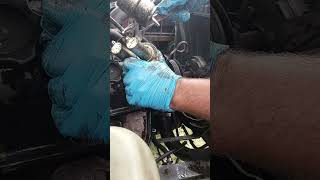
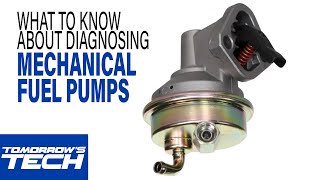
🎬 Watch: Step-by-step walkthrough for replacing your W150 fuel pump.How do I test my mechanical fuel pump?
There are a few ways to test the pump. The simplest is to remove the air cleaner, look down the throat of the carburetor, and have someone pump the gas pedal. You should see a squirt of fuel. If not, the pump may be bad. For a definitive test, disconnect the fuel line at the carburetor, place the end in a container, and crank the engine. It should produce strong, steady spurts of fuel. The most accurate method is to use a fuel pressure gauge; pressure should be stable and within your engine's specifications (usually 4-7 PSI).
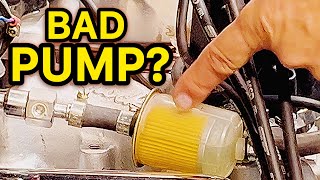
🎬 See this demonstration on how to test a mechanical pump.Are there any recalls or known issues?
There are no vehicle-specific recalls from Dodge for the mechanical fuel pump on these trucks. However, there was a significant aftermarket recall in 2007 (NHTSA Campaign 07E-064) that included Carter-branded pumps for a diaphragm defect that could cause fuel leaks. This serves as a reminder that even reputable aftermarket brands can have quality issues. Always inspect a new pump before installation.
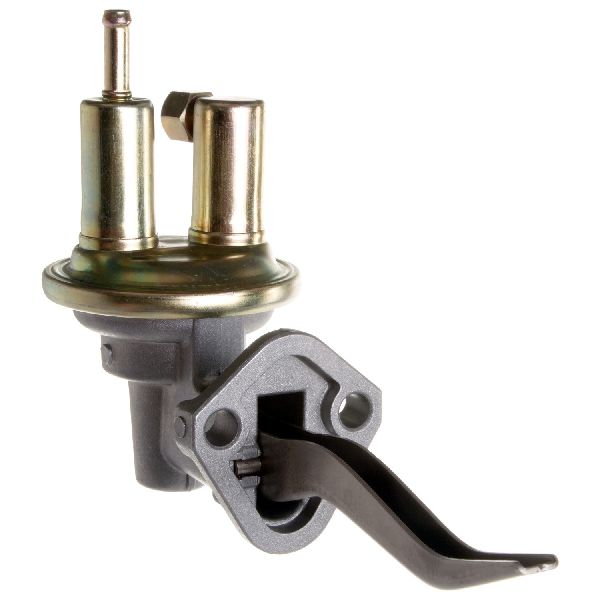
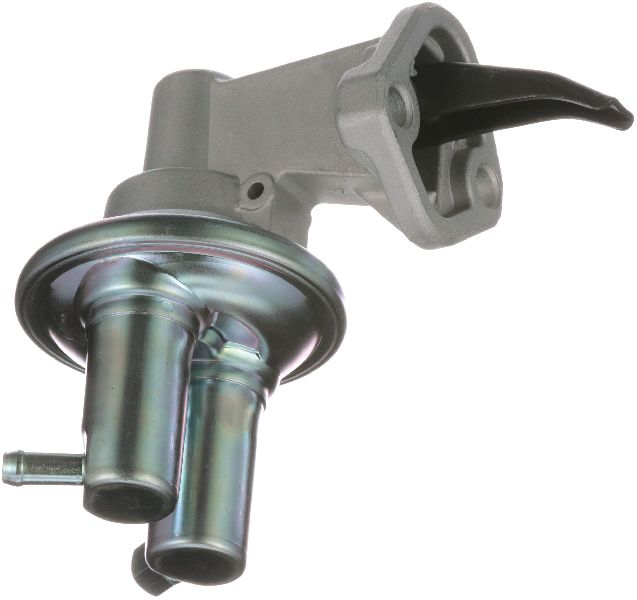
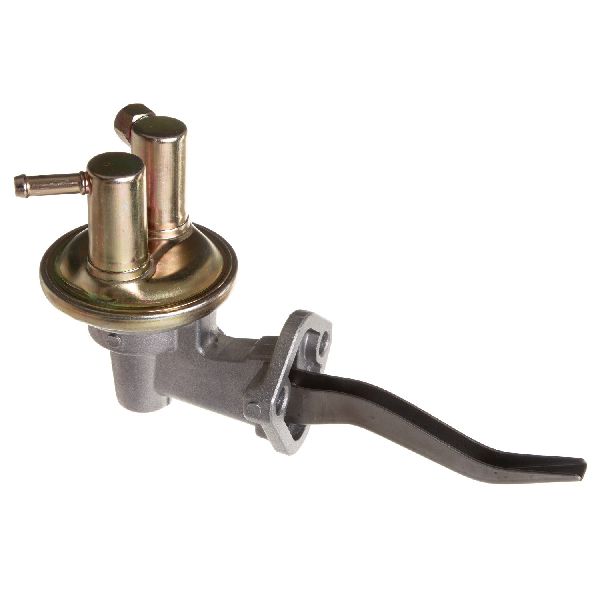
What's the difference between a 2-port and 3-port fuel pump?
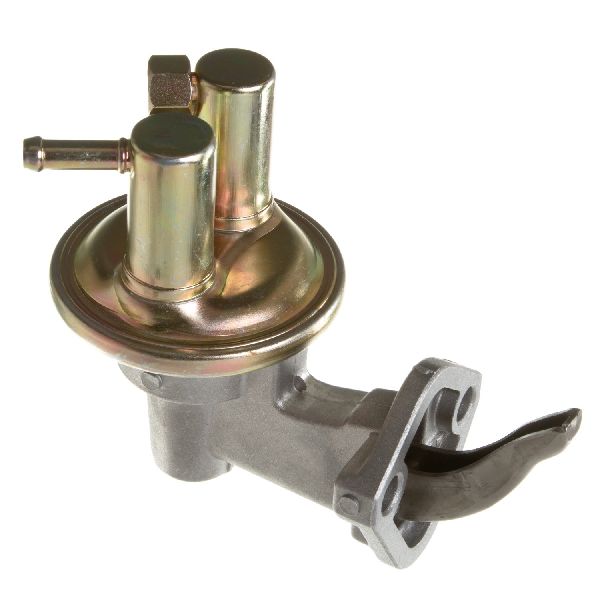
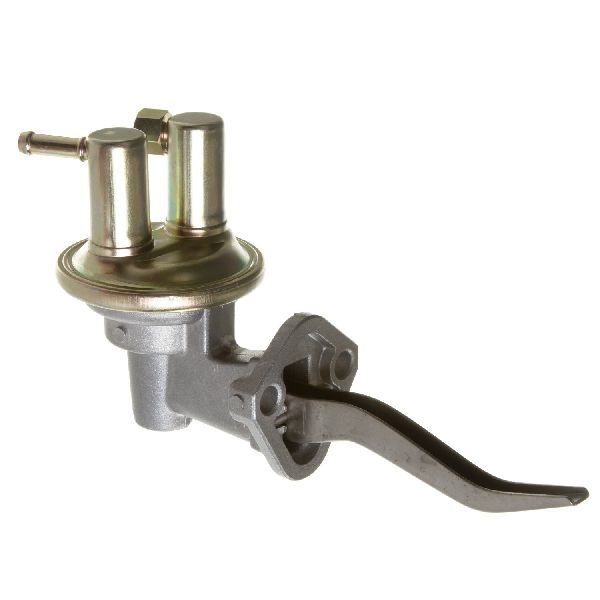
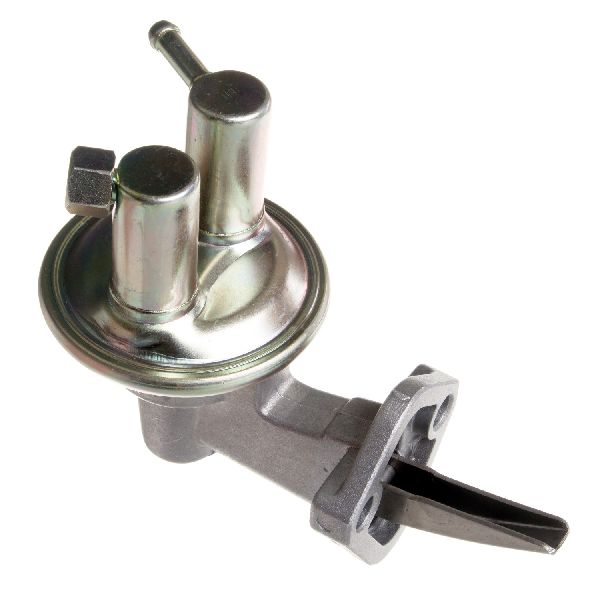
Some fuel pumps have a third, smaller port. This is a fuel vapor return line that sends excess fuel and vapor back to the tank. This helps prevent vapor lock (where fuel turns to vapor in the line from heat) and improves hot-weather performance. If your old pump has three ports, you must replace it with a three-port pump for the system to function correctly.
Helpful Videos
Technical Specifications
Drive Type: Mechanical (Camshaft Actuated) Pressure Range: 4-7 PSI (for stock applications) Inlet/Outlet: Varies by engine, typically 1/4" or 5/16" NPT Configuration: 2-Port (In/Out) or 3-Port (In/Out/Vapor Return)
We Have This Part in Stock

The information in this article is provided for general reference and educational purposes only. Vehicle specifications, procedures, and part compatibility can vary by production date, trim level, and region. Always consult your vehicle's factory service manual and verify part numbers before purchasing or performing repairs. Safety-critical components such as airbags, seat belts, and braking systems should be installed by a qualified professional.