

A Guide to Replacing the Engine Oil Pan on a 1977-1989 Buick Regal
Keep your classic Regal's engine safe by understanding when and how to replace a failing oil pan.
- The primary reasons for replacement are rust, impact damage, and leaking from a stripped drain plug.
- Aftermarket brands like Dorman, Spectra, and ATP offer reliable, cost-effective replacements suitable for most owners.
- Replacement is a moderately difficult job that may require lifting the engine for clearance.
- Always replace the oil pan gasket and use new engine oil and a filter during the job.
Signs of a Failing Oil Pan
The most common and obvious sign of a bad oil pan is an oil leak. You might see drips or a puddle of reddish-brown or black fluid on the ground where you park. Other signs include:
- Visible Damage: The oil pan is at the lowest point of the engine, making it vulnerable to impacts from road debris or bottoming out. Dents can reduce oil capacity or damage the oil pump pickup inside.
- Rust: On older vehicles like the G-body Regal, rust is a major enemy. The original stamped steel pans can rust through over time, causing leaks.
- Stripped Drain Plug: The threads on the drain plug can wear out or get stripped from repeated oil changes. This will cause a persistent leak at the plug that can't be fixed by just tightening it.
- Low Oil Light: If a leak is severe enough, your oil level will drop, which could trigger the low oil pressure warning light 🎬 Watch: Diagnosing common oil leaks on 3.8L GM engines on your dashboard. This is a serious condition that requires immediate attention.
Warning
An oil leak might seem like a small problem, but if the engine runs too low on oil, it can lead to catastrophic failure. Addressing oil pan issues promptly can save you from a much more expensive engine replacement.
Choosing the Right Aftermarket Oil Pan
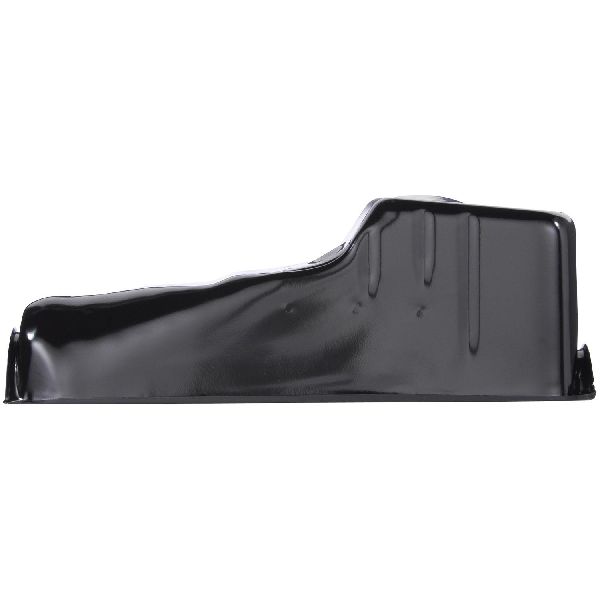
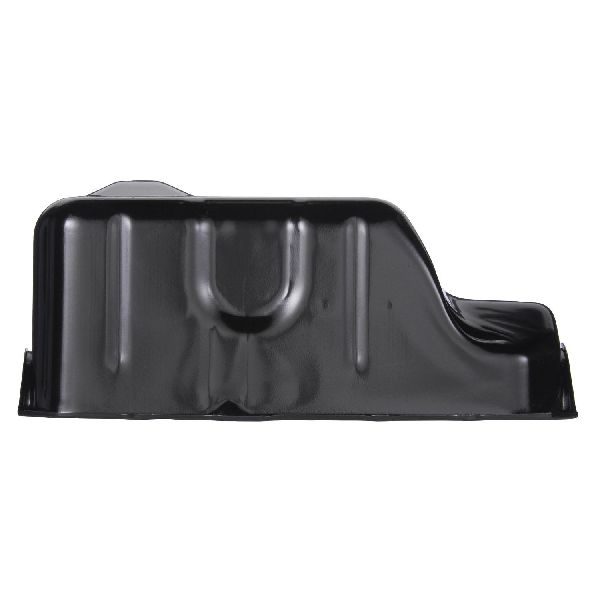
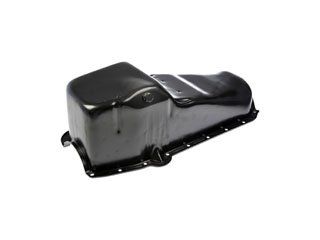
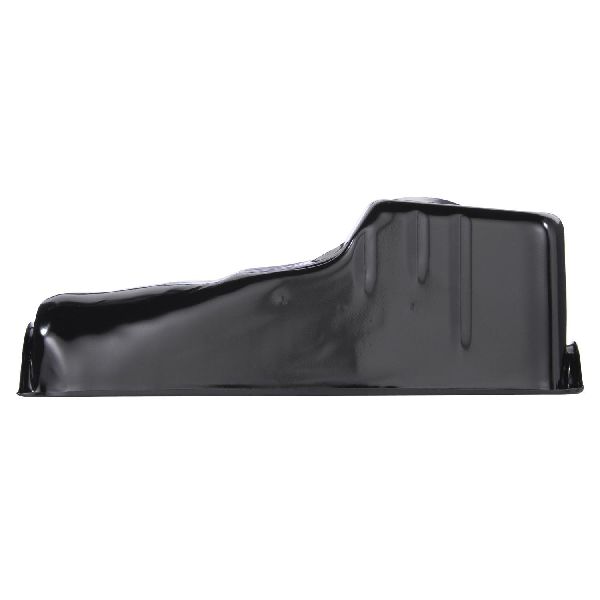
Since these Regals are classics, new original equipment manufacturer (OEM) pans from GM are generally unavailable. Luckily, the aftermarket offers many good-quality replacements. For a standard daily driver or restoration, a new aftermarket pan is a reliable and cost-effective choice.
Standard Replacement Brands (Dorman, Spectra, ATP):
- Dorman: A widely available and generally trusted brand for replacement parts. Their pans are known to fit well, though some users have noted the drain plugs can differ from the original.
- Spectra: Another popular choice, often seen as comparable to Dorman. Some users feel Spectra pans are made of a thicker gauge steel, while others have found them to be identical to other brands.
- ATP: Some mechanics have reported that ATP pans can be heavier-duty than the original, with good corrosion resistance.
Performance Brands (Mr. Gasket, Proform):
- These brands often offer chrome-plated or deep-sump oil pans. While the chrome looks great for a show car, be aware that cheaper chrome pans can sometimes be prone to leaks, especially around the drain plug. Deep sump pans increase oil capacity, which is a great upgrade for modified or high-performance engines, like those in a Grand National or T-Type.
Pro Tip
For this part, brand choice is less critical than ensuring a proper fit and a quality gasket. Most standard aftermarket steel pans from reputable brands will serve a stock Regal well for years. Always use a new, high-quality oil pan gasket (Fel-Pro is a trusted name) and a small amount of sealant at the corners 🎬 See this walkthrough for replacing a leaking oil pan gasket for a leak-free installation.
Estimated Replacement Costs
The cost can vary based on your location and the specific engine in your Regal. The V8 and V6 engines have different pans and replacement procedures.
| Part Type | Estimated Cost |
|---|---|
| New Aftermarket Oil Pan | $103 - $138 |
| Shop Labor | $294 - $1,081 |
| Total Estimated Cost | $397 - $1,219 |
*Cost estimates are for the part and labor and do not include taxes, shop fees, or the cost of new oil and a filter. Prices can vary significantly.
Frequently Asked Questions
Can I repair my old oil pan?
While small cracks can sometimes be welded or repaired with epoxy, it's often a temporary fix. Given the affordability of new aftermarket pans and the risk of a failed repair leading to engine damage, replacement is almost always the better option. Stripped drain plug threads can sometimes be repaired with a special kit, but it's often easier to replace the pan.
Do I need to lift the engine to replace the oil pan?
It depends. On many G-body cars like the Regal, you may need to unbolt the motor mounts and slightly lift the engine an inch or two to get enough clearance to remove the pan past the front crossmember and oil pickup tube. Some mechanics report being able to do it by rotating the crankshaft to a specific position, but lifting the engine is the most common method.
🎬 Learn how to remove an oil pan without lifting the motorWhat's the difference between a cork and a rubber gasket?
Older cars often used cork gaskets. Modern replacement gaskets are often made of rubber or a cork-rubber composite. Many mechanics prefer high-quality cork gaskets for these engines, while others prefer modern one-piece rubber gaskets from brands like Fel-Pro. The key to a leak-free seal is a clean surface and proper torque on the bolts.
Are there any recalls for the oil pan on my 1977-1989 Regal?
No, there are no specific recalls issued by the NHTSA for the engine oil pan itself on the 1977-1989 Buick Regal. Recalls for this generation were typically for other issues like axle shafts or fuel filters.
Helpful Videos
Technical Specifications
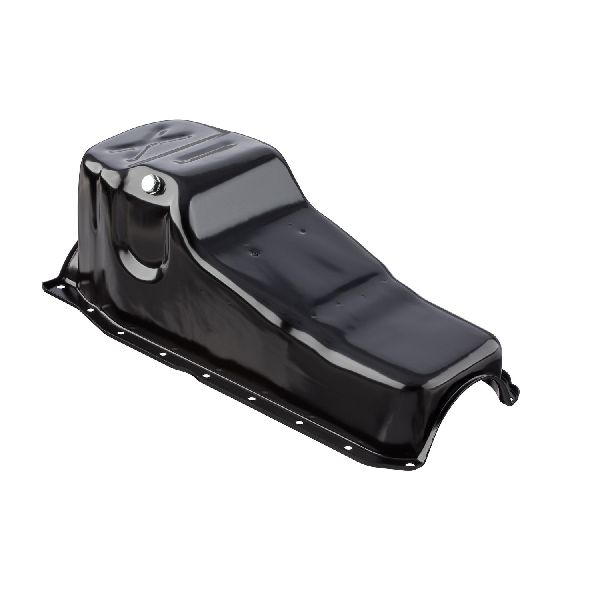
Material: Stamped Steel (most common), Aluminum. Sump Location: Rear. Gasket Type: Multi-piece cork or one-piece rubber. Capacity: Varies by engine (approx. 5 quarts for V6/V8).
We Have This Part in Stock


The information in this article is provided for general reference and educational purposes only. Vehicle specifications, procedures, and part compatibility can vary by production date, trim level, and region. Always consult your vehicle's factory service manual and verify part numbers before purchasing or performing repairs. Safety-critical components such as airbags, seat belts, and braking systems should be installed by a qualified professional.