

Replacing Rear Drum Brake Shoes on Your 1977-1992 Oldsmobile Custom Cruiser
Your big wagon needs strong rear brakes; here’s how to choose the right new aftermarket shoes for the job.
- For this vehicle, quality aftermarket shoes are the best and most practical choice.
- Always replace the drum brake hardware kit with the shoes to ensure proper function and prevent noise.
- Choose your brand based on your use: Centric for daily driving, Dynamic Friction for a premium option, and Powerstop for heavy hauling or towing.
- After installation, ensure the shoes are properly adjusted and test the self-adjusters by braking while in reverse.
Signs Your Custom Cruiser Needs New Rear Brake Shoes
Because drum brakes are hidden from view, you often have to rely on sounds and feel to know when they're worn. If you notice any of these symptoms, it's time to inspect your rear brakes.
- Scraping or Grinding Noise: A continuous scraping or grinding sound from the rear wheels when braking is a critical warning. This often means the friction material is completely gone, and metal is grinding against metal.
- Weak Parking Brake: If you set the parking brake and the car still rolls easily, the rear shoes are likely worn out or severely out of adjustment.
- Longer Stopping Distances: While the front brakes do most of the work, worn rear shoes can noticeably increase the distance it takes to stop your wagon.
- Spongy or Low Brake Pedal: This can be a sign of several issues, but it can be caused by over-extended wheel cylinders trying to compensate for worn-out shoes.
Choosing the Right Aftermarket Brake Shoes
For a classic vehicle like the Custom Cruiser, finding New Old Stock (NOS) OEM parts is difficult and expensive. Modern aftermarket brands offer excellent quality, often exceeding original specifications. The key is to choose a quality level that matches your driving needs.
Pro Tip: Always Replace The Hardware
Drum brake systems rely on a complex set of springs, clips, and adjusters. These parts fatigue over time and can rust, causing noise and poor performance. A new hardware kit is very inexpensive and ensures your new shoes work correctly. It is highly recommended to replace the hardware every time you replace the shoes.
Brand Quality Tiers
Here’s a breakdown of the available brands to help you decide:
Standard Replacement (Good): Centric
Centric is a well-regarded brand that provides reliable, OE-quality replacement parts. Their standard shoes are an excellent choice for daily driving and general use, offering a great balance of performance and value. They are engineered to match the fit and function of the original brakes.
Premium Replacement (Better): Dynamic Friction
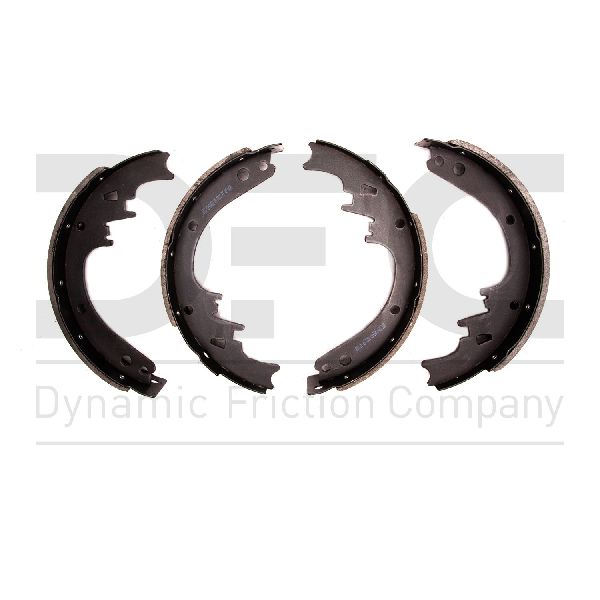
Dynamic Friction focuses on producing parts that meet or exceed original equipment standards. Their shoes often feature premium semi-metallic materials and are precision ground for a perfect fit against the drum. This is a solid step-up for owners who want extra confidence and durability for their daily-driven wagon.
Performance / Heavy-Duty (Best): Powerstop
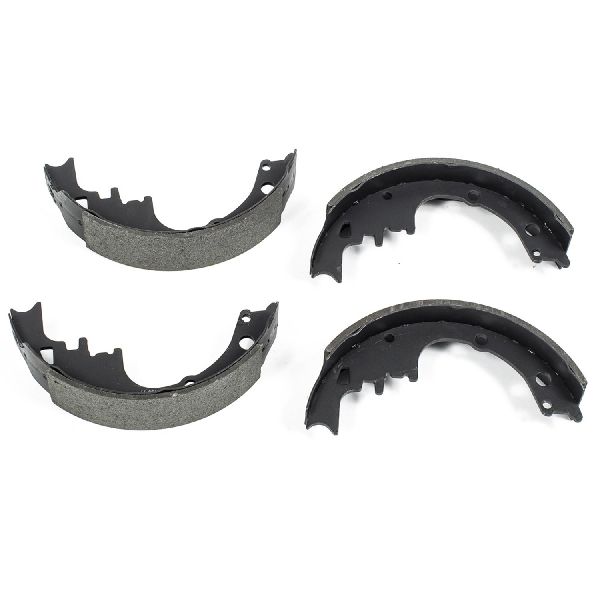
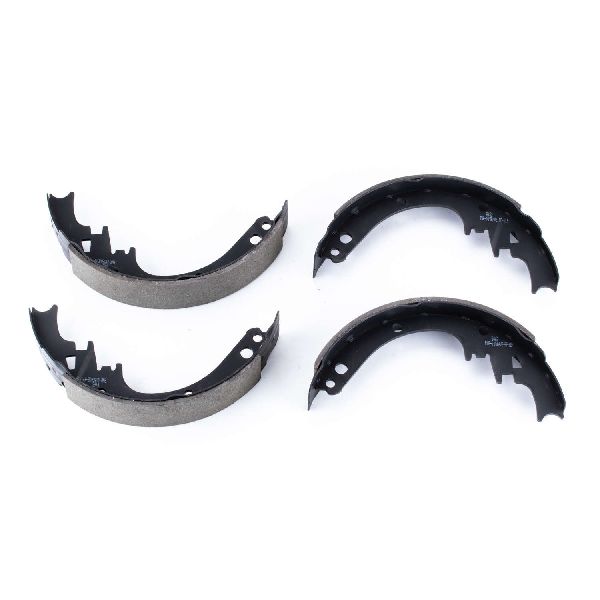
If you use your Custom Cruiser for towing, hauling heavy loads, or just want the strongest possible braking performance, Powerstop is the brand to choose. Their shoes are often made from upgraded semi-metallic friction formulas that are post-cured for better stopping power and fade resistance under high heat. This is the top choice for demanding situations.
Known Issues & Recalls
While there are no specific recalls or technical service bulletins (TSBs) for the rear drum brake shoes on the 1977-1992 Custom Cruiser, owners of 1991-1992 models should be aware of a recall for the front anti-lock brake system (ABS). This recall (NHTSA 97V217) concerned potential fluid leaks in the front ABS modulator, which could reduce front braking power. This issue is unrelated to the rear drum brakes but is an important safety check for those specific model years.
| Part Type | Estimated Cost |
|---|---|
| New Aftermarket Shoes (Centric, Dynamic Friction, Powerstop) | $45 - $76 |
| Drum Brake Hardware Kit | $7 - $15 |
| Shop Labor for Installation | $150 - $250 |
Frequently Asked Questions (FAQ)
Do I really need to replace the hardware kit?
Yes. The springs in the hardware kit lose their tension over decades of use. Old, weak springs can cause the shoes to drag, wear unevenly, or make noise. A new kit is the cheapest insurance you can buy for a successful brake job.
What's the difference between bonded and riveted shoes?
Bonded shoes have the friction material glued to the metal backing, while riveted shoes use metal rivets. Both are reliable, but poor quality bonded shoes can sometimes have the friction material separate from the backing (delaminate). All the recommended brands use high-quality bonding or riveting processes that meet OE specifications.
Why is my parking brake so weak?
The parking brake on your Custom Cruiser uses the rear drum brake shoes. If the shoes are worn down, the parking brake lever has to pull the cable further to make them contact the drum, leading to a weak or ineffective parking brake. Replacing and properly adjusting the rear shoes will restore parking brake performance.
My brakes feel strange after installing new shoes. What's wrong?
This is often due to the self-adjusters. These mechanisms are designed to keep the shoes close to the drum as they wear. After installation, the shoes need to be manually adjusted to have a slight drag on the drum. Then, driving in reverse and firmly applying the brakes can help the self-adjusters make their final, fine-tuned adjustments. If the pedal is still soft, the system may need to be bled to remove air.
Technical Specifications
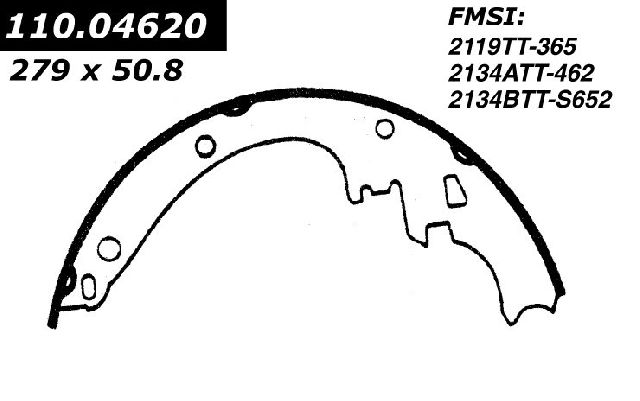
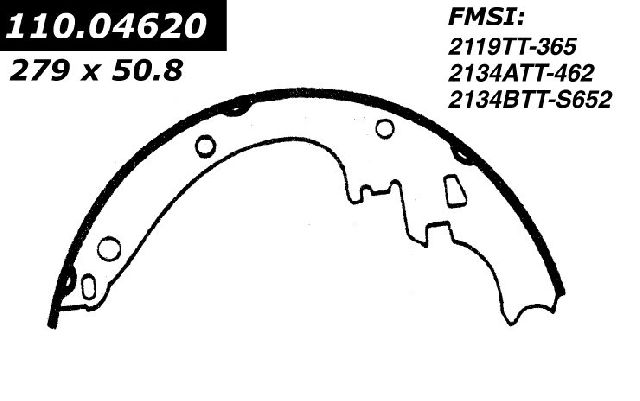
Due to the long production run and multiple axle options, specific OEM part numbers are not consistent. Aftermarket part numbers are generally standardized. For example, Centric part number is 111.04620 and Power Stop is B462. Always verify fitment for your specific year and model, as there were different drum sizes used over the years.
We Have This Part in Stock

The information in this article is provided for general reference and educational purposes only. Vehicle specifications, procedures, and part compatibility can vary by production date, trim level, and region. Always consult your vehicle's factory service manual and verify part numbers before purchasing or performing repairs. Safety-critical components such as airbags, seat belts, and braking systems should be installed by a qualified professional.