

Dodge D150 A/C Receiver Drier Guide for 1977-1993 Models
Keep your classic Dodge D150's air conditioning blowing cold by choosing the right A/C receiver drier.
- The A/C receiver drier must be replaced any time the A/C system is opened for service.
- For this vehicle, new aftermarket is the only practical option; brands like Four Seasons are a reliable choice.
- Replacement is not a DIY job as it requires special equipment to handle refrigerant and vacuum the system.
- Symptoms of failure include poor cooling, rattling noises, and musty smells from the vents.
Is Your D150's A/C Drier Failing?
On a classic truck like the Dodge D150, A/C components wear out. The receiver drier is a common service part that should be replaced whenever the A/C system is opened for major repairs. If the original drier is still on your truck, it is well past its service life. Watch for these signs of a failing A/C receiver drier.
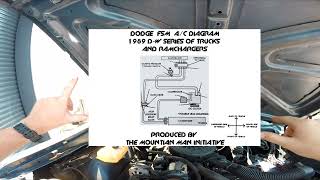
🎬 Watch: A guide to diagnosing and fixing common A/C problems.Symptoms of a Bad A/C Receiver Drier
- Poor Cooling: This is the most common symptom. If the drier is clogged or the desiccant inside is saturated with moisture, it can't cool your cab effectively.
- Musty or Moldy Smell: When the desiccant can no longer absorb water, mold can grow in the damp A/C system, causing a bad smell from your vents.
- Rattling Noises: If the desiccant bag inside the drier breaks apart, you might hear a rattling sound from the engine bay when the A/C is on.
- Frost on A/C Parts: A severely clogged drier can cause a rapid pressure drop, leading to visible frost on the drier itself or the connected lines.
- Cloudy Sight Glass: Some older D150 models may have a sight glass on the drier. If you see bubbles or a cloudy view, it often means there's moisture in the system and the drier needs replacement.
Choosing the Right Aftermarket Drier for Your D150
Finding a new OEM Mopar receiver drier for a 1977-1993 D150 is nearly impossible, as these parts have been discontinued for years. The market for these trucks relies on new aftermarket parts. For a simple service part like a drier, a quality aftermarket unit is a reliable and cost-effective choice.
When shopping, you will see this part called both an "A/C Receiver Drier" and an "A/C Accumulator." For this generation of Dodge truck, the terms are often used interchangeably by parts suppliers.
🎬 See this video for a helpful A/C receiver drier overview.Aftermarket Brand Tiers
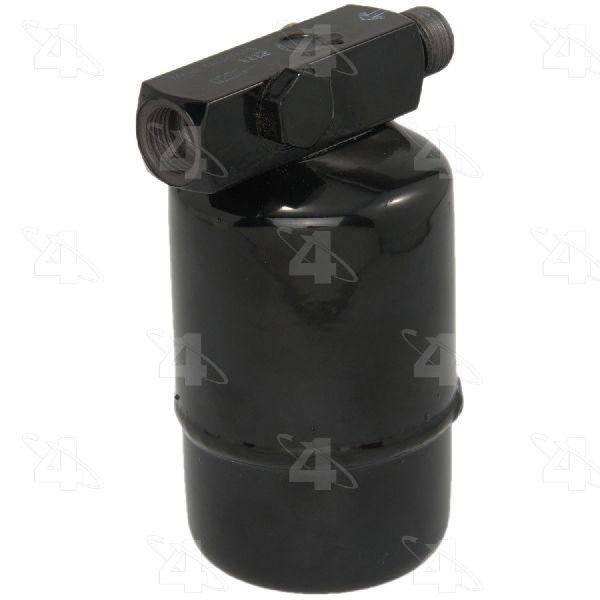
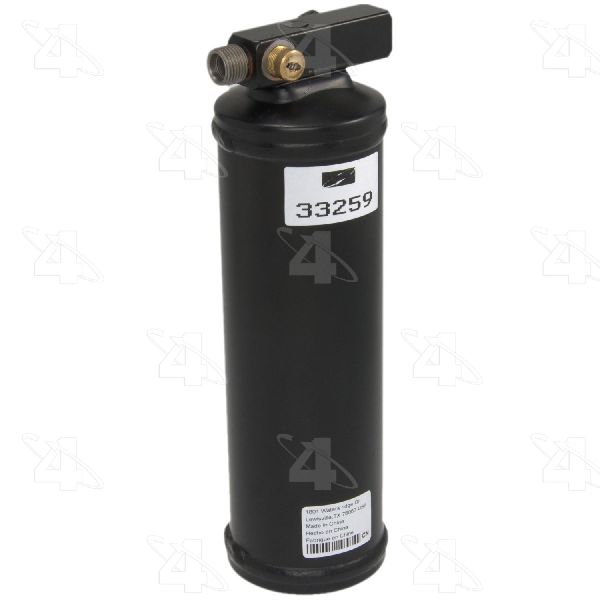
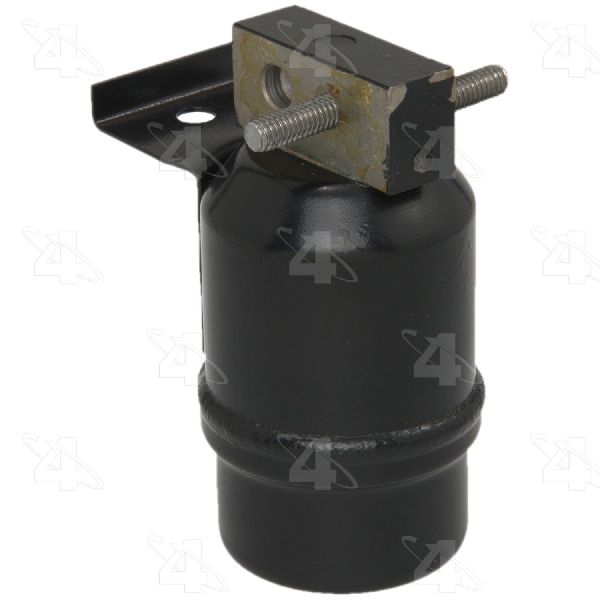
- Tier 1: Reputable Aftermarket (e.g., Four Seasons): Four Seasons is one of the largest and most well-known aftermarket A/C parts suppliers. Their parts are generally built to meet original specifications and are a trusted choice for daily drivers and restorations. While no brand is perfect, new Four Seasons components have a generally positive reputation among mechanics.
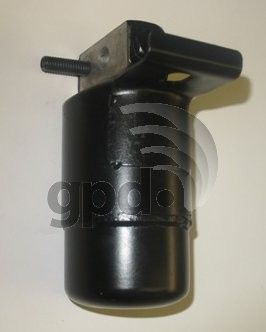
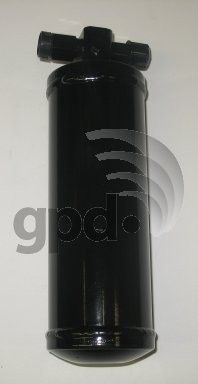
- Tier 2: Economy Brands (e.g., Global Parts Distributors - GPD): GPD is another common brand that offers a budget-friendly alternative. While their compressors have received mixed reviews, the receiver drier is a much simpler component with a lower failure risk, making it a suitable option if cost is the primary concern.
Pro Tip: Always replace the receiver drier when you replace the A/C compressor or any other major A/C component. Most compressor warranties require it. The desiccant inside the drier is exposed to the air and becomes saturated, making the old part useless.
Known Issues & Recalls
Searches for official recalls or Technical Service Bulletins (TSBs) from the NHTSA for the A/C system on the 1977-1993 Dodge D150 did not find any specific issues related to the receiver drier. Most A/C problems on trucks of this age are due to normal wear and tear, refrigerant leaks from old seals, or compressor failure. Forum discussions among owners sometimes mention difficulty getting aftermarket driers to seal correctly, so it's important to ensure the fittings are clean and properly tightened during installation.
Estimated Replacement Costs
| Part Type | Estimated Cost |
|---|---|
| New Aftermarket Drier | $18 - $45 |
| Shop Labor | $150 - $250 |
| Total Cost | $168 - $295 |
Note: Costs are estimates and do not include refrigerant or other parts that may be needed. Labor costs vary by location.
Frequently Asked Questions
Can I replace the A/C receiver drier myself?
This is not recommended for a DIY project. The job requires specialized equipment to safely recover refrigerant from the system, and then to pull a deep vacuum to remove all air and moisture before recharging. Failure to pull a proper vacuum will cause the new drier to fail quickly and can lead to system damage.
When should I replace the receiver drier?
You must replace the receiver drier any time the A/C system is opened for a repair, like replacing a hose or the compressor. You should also replace it if it's over five years old or if you are experiencing symptoms like poor cooling or a clogged system.
My truck was converted from R-12 to R-134a. Does that matter?
Yes. Modern aftermarket receiver driers use a desiccant material (like XH-7) that is compatible with both R-12 and the newer R-134a refrigerant. If you are servicing a converted system, installing a new drier is critical to ensure all old moisture and contaminants are removed.
🎬 Watch: How to rebuild and convert your Dodge truck's A/C.Do I need to add oil when replacing the drier?
Typically, no extra oil is needed when only replacing the drier, as very little oil is retained in the old part. However, you should always follow the instructions that come with the new part or consult a service manual for your D150's specific engine and A/C configuration.
Helpful Videos
Technical Specifications
OEM Part Numbers: 4773673
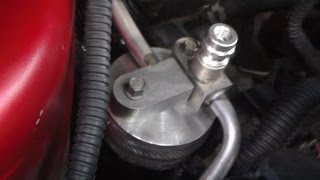
The receiver drier contains a desiccant material, typically XH-7 in modern replacements, which is compatible with both R12 and R134a refrigerants. It is located on the high-pressure side of the A/C system. O-rings for installation are typically included with the new part.
We Have This Part in Stock

The information in this article is provided for general reference and educational purposes only. Vehicle specifications, procedures, and part compatibility can vary by production date, trim level, and region. Always consult your vehicle's factory service manual and verify part numbers before purchasing or performing repairs. Safety-critical components such as airbags, seat belts, and braking systems should be installed by a qualified professional.