

Choosing the Right Transmission Filter Kit for Your 1977-1993 Dodge D150
Keep your classic Dodge D150 shifting smoothly by selecting the correct transmission filter kit for your specific truck.
- Identify your specific transmission (A727, A904, A518) by pan shape and bolt count before ordering a kit.
- Symptoms like slipping gears, whining noises, or a burning smell are strong indicators that a filter and fluid change is needed.
- For better reliability, consider a kit from a brand like Wix or ATP, and if possible, choose one with a rubber gasket over cork.
- When doing the job yourself, ensure the old filter's O-ring is removed from the valve body before installing the new one.
Understanding Your D150's Transmission
Before buying a filter kit, it's important to know which automatic transmission your 1977-1993 Dodge D150 has. The transmission model determines the shape of the pan, and therefore, which filter and gasket you need. During this long production run, Dodge used a few different automatic transmissions:
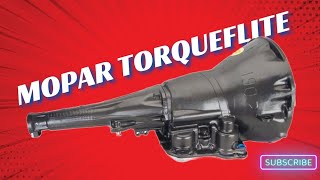
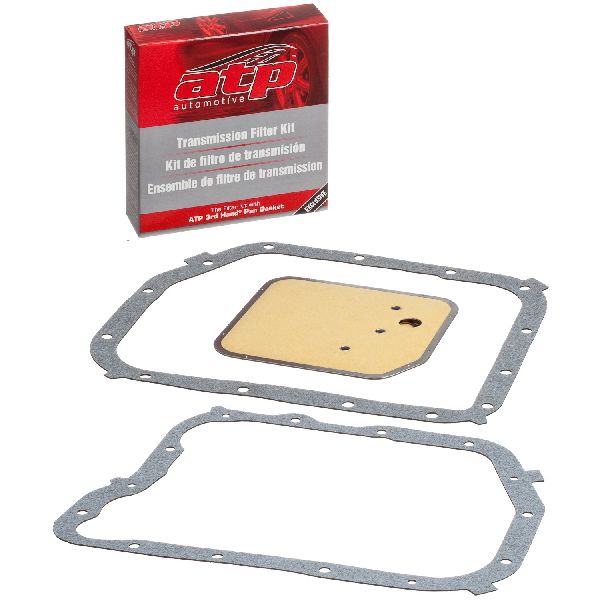
- A727 (TorqueFlite 8): This is a heavy-duty 3-speed automatic, common in many V8 models throughout the entire year range. It's known for its strength and durability. The pan for an A727 is somewhat square with a 14-bolt pattern. 🎬 Watch this step-by-step guide for changing your A727 fluid and filter.
- A904 (30RH): A lighter-duty 3-speed automatic, often found behind the Slant 6 and some small V8 engines, particularly in earlier models.
- A500 (42RH/42RE): A 4-speed automatic with overdrive, typically paired with the 3.9L V6 engine in later models (late 1980s to 1993).
- A518 (46RH/46RE): This is a heavier-duty 4-speed automatic with overdrive, essentially an A727 with an overdrive unit added. It was used with V8 engines in the later years of this generation (around 1990-1993). These transmissions are known to have issues with the overdrive unit and torque converter lockup as they age.
Signs of a Clogged Transmission Filter
A clogged filter restricts fluid flow, which can lead to serious transmission problems. If you notice any of these symptoms, it's time to check your fluid and consider a filter change.
- Delayed or Slipping Gears: The truck may hesitate before shifting or feel like it's slipping out of gear.
- Unusual Noises: A whining or rattling sound from the transmission area can mean the pump is struggling to pull fluid through a blocked filter.
- Sluggish Acceleration: The truck may feel weak or unresponsive when you press the gas pedal.
- Burning Smell: A clogged filter can cause the transmission fluid to overheat, giving off a burnt smell.
- Fluid Leaks: While not always from the filter itself, leaks are a sign that the system needs inspection. A bad pan gasket included in the kit can cause leaks.
Choosing the Right Aftermarket Kit
For a classic truck like the D150, aftermarket parts are readily available and often provide excellent quality, sometimes even improving on the original design. OEM parts may be difficult to find. When choosing a kit, consider the brand's reputation and the materials included.
Brand Quality Tiers
- Premium Aftermarket (Wix, ATP): Wix is well-regarded for its filter media quality, designed to trap small particles effectively. ATP specializes in transmission components and their kits are a solid choice for OE-level fit and function. These brands often provide high-quality components that meet or exceed original specifications.
- Standard Aftermarket (ACDelco, Premium Guard): These brands offer a good balance of quality and value. ACDelco, while a GM company, produces reliable parts for many vehicles. Premium Guard is a dependable OE-replacement option.
- Economy (Pioneer Cable): Pioneer is more known for other components, but their filter kits can be a budget-friendly choice for a standard service.
Estimated Costs for Transmission Filter Replacement
| Part/Service | Estimated Cost |
|---|---|
| New Aftermarket Filter Kit | $17 - $57 |
| Transmission Fluid (ATF+4 or equivalent) | $40 - $80 |
| Shop Labor | $100 - $200 |
| Total Professional Replacement | $157 - $337 |
Frequently Asked Questions (FAQ)
How often should I change the transmission filter on my D150?
For these older trucks, a good rule of thumb is to change the fluid and filter every 30,000 to 60,000 miles, or every 2-4 years. If you use your truck for heavy towing or hauling, consider servicing it more frequently, as heat is a major cause of transmission failure.
What kind of transmission fluid should I use?
Check your owner's manual, but most of these Chrysler transmissions use ATF+4 fluid. Using the correct fluid is critical for proper transmission function.
Is replacing the transmission filter a good DIY job?
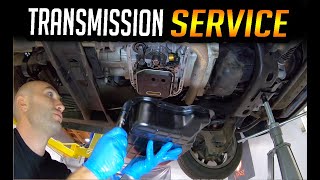
Yes, for a mechanically inclined owner, this is a very feasible DIY job. It requires basic tools, jack stands for safety, and patience. The biggest challenge is managing the mess, as most original pans do not have a drain plug. 🎬 See how to manage the mess during a DIY transmission service. Loosening the pan bolts on one side first helps control the draining fluid.
What are common mistakes when changing the filter?
The most common mistake is not removing the old filter's O-ring seal from the transmission's valve body. If the old seal is left in place and the new filter is installed, it will cause a poor seal and a major loss of fluid pressure. Another mistake is over-tightening the pan bolts, which can deform the pan and cause leaks.
Helpful Videos
Technical Specifications
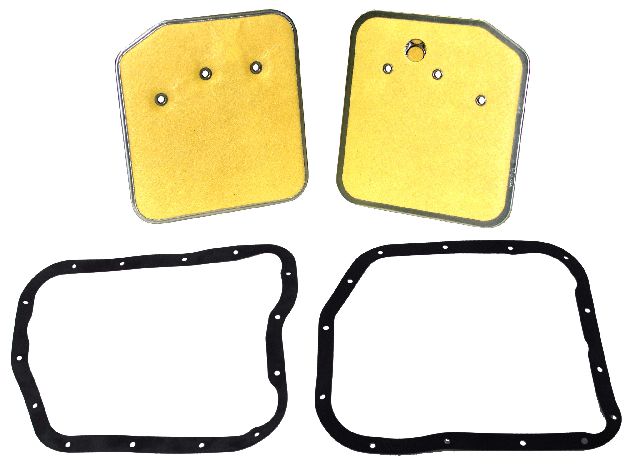
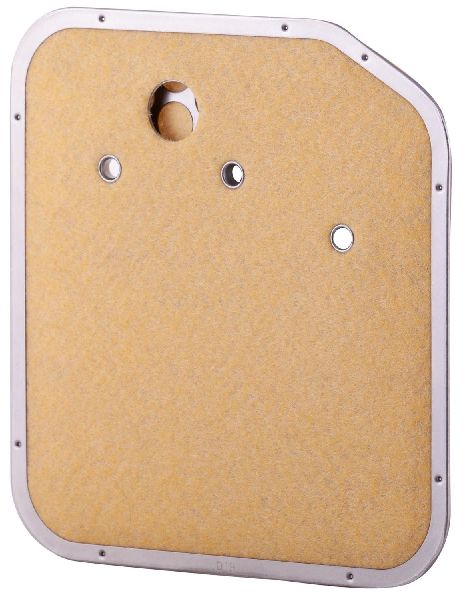
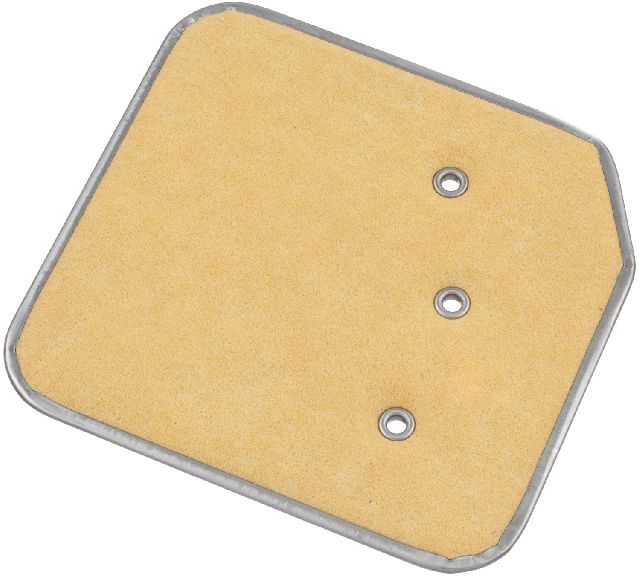
Kit typically includes one filter and one pan gasket. Gasket material may be cork, paper, or rubber. Filter type is a flat screen/felt design located inside the transmission pan. Pan bolt count is critical for identification (e.g., 14 bolts for A727).
We Have This Part in Stock


The information in this article is provided for general reference and educational purposes only. Vehicle specifications, procedures, and part compatibility can vary by production date, trim level, and region. Always consult your vehicle's factory service manual and verify part numbers before purchasing or performing repairs. Safety-critical components such as airbags, seat belts, and braking systems should be installed by a qualified professional.