

A Dodge W150 Owner's Guide to Ignition Coil Replacement (1977-1993)
Solve spark issues and choose the right aftermarket ignition coil for your classic Dodge W150 truck.
- A failing ignition coil can cause a no-start, stalling, or rough running condition.
- For carbureted models, always check the ballast resistor first, as its failure mimics a bad coil.
- For EFI models, check the ASD relay before replacing the coil.
- MSD is a trusted performance upgrade, while brands like Standard Ignition, Bosch, and Delphi offer reliable stock replacements.
Symptoms of a Failing Ignition Coil in a W150
A bad ignition coil on these classic Dodge trucks will usually make itself known quickly. Because the entire engine relies on this single coil, a failure is often a complete failure. Watch for these signs:
- No Start or Hard Starting: The engine cranks but won't fire up. This is the most common symptom of a dead coil.
- Engine Stalls Suddenly: The truck may run for a few minutes and then die unexpectedly as the coil heats up and fails internally. It might start again after cooling down, only to repeat the cycle.
- Rough Idle and Misfiring: A weak coil can produce a weak spark, leading to an engine that sputters, shakes, or misfires.
- Poor Acceleration: You may notice a significant loss of power, as the engine isn't getting the strong spark it needs to burn fuel efficiently.
- Engine Only Runs While Cranking: If your truck starts but dies the instant you let the key return to the 'run' position, it's a classic sign of a bad ballast resistor, a part that works directly with the coil on many of these trucks.
Pro Tip: Always Check the Ballast Resistor!
Many 1977-1993 W150s use a ballast resistor in the ignition circuit. This small ceramic block can fail and produce symptoms identical to a bad coil, specifically the engine dying after the key is released from the 'start' position. It's an inexpensive part and a common failure point. Always consider testing or replacing it when you are having ignition problems.
Choosing the Right Aftermarket Ignition Coil
For a vehicle of this age, original OEM coils are largely unavailable. The aftermarket is your primary source, offering a wide range of quality and performance. The brands available can be grouped into a few tiers.
Tier 1: Performance & Heavy-Duty Coils
These are for owners looking for a hotter spark, often to support other engine modifications or for heavy-duty use. They typically produce higher voltage than stock coils.
- MSD (MSD Ignition): Widely regarded as a reliable and high-quality performance option in forums. If you want an upgrade that is known to last, MSD is a solid choice.
- Accel: Offers high-voltage performance coils, but user reviews and forum discussions mention a higher failure rate compared to MSD. If you choose an Accel coil, many experienced owners recommend keeping your old coil in the truck as a spare.
Tier 2: OEM-Quality Standard Replacements
These brands are known for producing reliable parts that meet or exceed original factory specifications. They are an excellent choice for a daily driver or stock restoration.
- Standard Ignition (SMP): A long-standing leader in aftermarket ignition parts. While some users feel the quality has changed over the years, they remain a trusted and dependable choice for American-made vehicles like the W150.
- Bosch: A top-tier manufacturer with a strong reputation for quality electrical components. A Bosch coil is a safe bet for reliable, long-term performance.
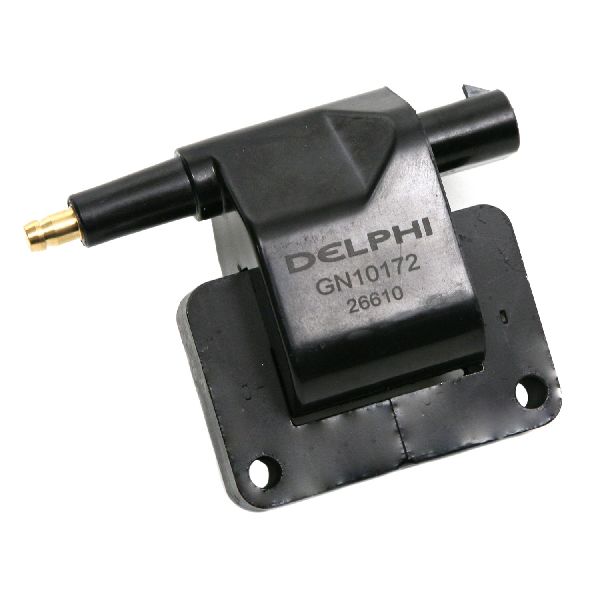
- Delphi: Another major OEM supplier, Delphi coils are engineered for durability and consistent performance.
- NGK: While famous for spark plugs, NGK's ignition components are also held in high regard for their quality and reliability.
Tier 3: Value-Priced Replacements
This category includes brands that offer a functional replacement at a lower price point. They are suitable for getting a vehicle back on the road on a budget.
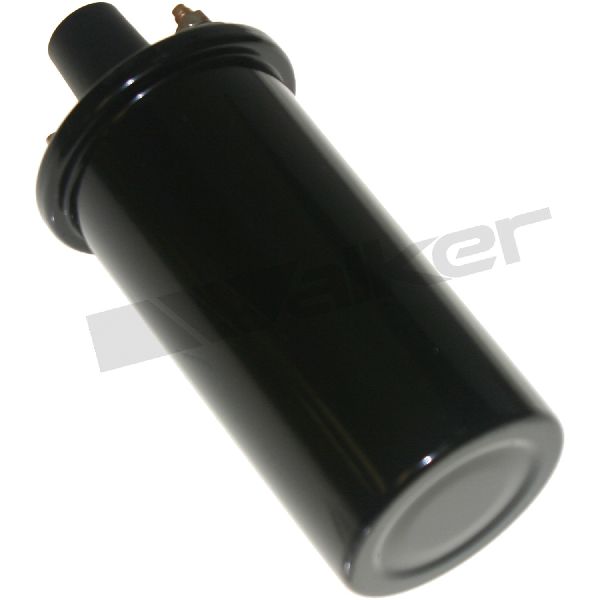
- DriveWire, Global Parts, WAI Global, Walker Products
| Part Type | Estimated Price Range | Notes |
|---|---|---|
| New Aftermarket (Standard) | $20.40 - $55.00 | Covers brands like Standard Ignition, Bosch, and value options. |
| New Aftermarket (Performance) | $60.00 - $106.07 | Covers brands like MSD and Accel. |
| New OEM | N/A | Generally not available; may be found as very expensive New Old Stock (NOS). |
| Shop Labor for Replacement | $50 - $100 | Typically less than one hour of labor. |
Important Note on Later Models (approx. 1988-1993)
Later model W150s with Electronic Fuel Injection (EFI) have a more complex system. While they still use a single coil, problems with the Auto Shutdown (ASD) relay or the Powertrain Control Module (PCM) can cut power to the coil, mimicking a coil failure. If you have a 'no spark' issue on an EFI truck, it's wise to check the ASD relay before replacing the coil.
Frequently Asked Questions (FAQ)
Is it difficult to replace the ignition coil on a W150?
No, this is one of the easiest repairs you can do. The coil is typically mounted on the firewall or the engine block with a simple bracket. It involves disconnecting the battery, unplugging a few electrical connectors, removing one or two bolts, and then swapping the new coil in. It requires basic hand tools and can usually be done in under 30 minutes.
Do I really need a performance coil?
For a stock engine in good condition, a quality standard replacement from a brand like Standard Ignition, Bosch, or Delphi is perfectly adequate. A performance coil like an MSD is only beneficial if you have other engine upgrades (like a performance carburetor, intake, or camshaft) or if you need the absolute most reliable and hottest spark for heavy towing or demanding use.
Are there any recalls on the W150 ignition coil?
No. Searches of the National Highway Traffic Safety Administration (NHTSA) database and other records show no recalls or technical service bulletins (TSBs) specifically for the ignition coil on the 1977-1993 Dodge W150. Any recalls found are for newer model years or different ignition components.
Can I test my old ignition coil?
Yes, you can test an ignition coil using a multimeter to check the resistance of its primary and secondary windings. However, a coil can sometimes test good when cold but fail when it heats up during operation. Given the low cost of a new standard coil, and the difficulty in diagnosing an intermittent failure, many owners choose to replace a suspect coil as a primary troubleshooting step, especially if it's old.
Technical Specifications
This vehicle uses a single, canister or E-core style ignition coil connected to a distributor. The specific coil type (e.g., with or without an external resistor) depends on the model year and ignition system (carbureted vs. EFI).
We Have This Part in Stock


The information in this article is provided for general reference and educational purposes only. Vehicle specifications, procedures, and part compatibility can vary by production date, trim level, and region. Always consult your vehicle's factory service manual and verify part numbers before purchasing or performing repairs. Safety-critical components such as airbags, seat belts, and braking systems should be installed by a qualified professional.
- 🛍️ Shop This Part
- Symptoms of a Failing Ignition Coil in a W150
- Pro Tip: Always Check the Ballast Resistor!
- Choosing the Right Aftermarket Ignition Coil
- Tier 1: Performance & Heavy-Duty Coils
- Tier 2: OEM-Quality Standard Replacements
- Tier 3: Value-Priced Replacements
- Important Note on Later Models (approx. 1988-1993)
- Frequently Asked Questions (FAQ)
- 🎟️ Get 5% Off