

A Guide to the Starter on Your 1977-1996 Ford Bronco
Solve common starting problems like the infamous 'click-no-crank' and get your classic Bronco turning over reliably.
- For a 'click-no-crank' symptom, always test and likely replace the inexpensive fender-mounted starter relay first.
- To combat 'hot-start' issues, ensure your battery cables are in excellent condition and consider upgrading to a modern, more efficient gear-reduction (PMGR) starter.
- Premium aftermarket brands like Bosch and Denso generally offer better reliability and longevity than budget or store brands.
- The top starter bolt is very difficult to access; a long socket extension with a swivel joint is almost essential for DIY replacement.
Is Your Bronco Starter Failing? Common Symptoms
When a starter system fails, it leaves you stranded. Recognizing the signs early can save you a headache. Pay attention to what your truck does when you turn the key.
- Single, Loud Click, But No Crank: This is the most common symptom for this generation of Bronco. You turn the key, hear one loud "CLICK" from the engine bay, but the engine doesn't turn over. This almost always points to a failed fender-mounted starter relay, not the starter motor itself.
- Slow Cranking, Especially When Hot (Heat Soak): The engine turns over very slowly, as if the battery is dead, but only after the truck has warmed up. This can be caused by an aging starter struggling with heat from the exhaust, or by old battery cables with high resistance.
- Grinding or Screeching Noise: A harsh grinding sound when you try to start the engine means the starter gear is not meshing correctly with the engine's flywheel. Continuing to crank can cause serious damage to the flywheel.
- Whirring or Spinning Noise: If you hear the starter motor spin freely but the engine doesn't crank, the starter's internal drive gear (the Bendix) has failed. The motor is working, but it's not engaging the engine.
- Intermittent Starting: The truck starts perfectly one day and then refuses to crank the next. This can be a sign of worn electrical contacts inside the starter solenoid or a dead spot on the motor itself.
A Word on the Fender-Mounted Starter Relay (Solenoid)
Before you buy a new starter, check the fender-mounted relay. It's a small, inexpensive part located on the passenger-side inner fender. If you experience the classic "single click, no crank" symptom, this relay is the most likely culprit. Many owners replace the entire starter only to find the problem persists because the issue was with the relay all along. Replacing the relay is a simple, 15-minute job and should be your first diagnostic step.
Choosing the Right Aftermarket Starter
Since original Ford starters for this era are scarce, the aftermarket is your go-to source. Quality can vary significantly between brands. For a truck like the Bronco, reliability is key.
Brand Quality Tiers
- Premium Brands (Bosch, Denso): These companies are often original equipment (OEM) manufacturers for many automakers and are known for high-quality engineering and materials. Both their new and remanufactured units are generally considered top-tier and reliable choices that meet or exceed factory specifications.
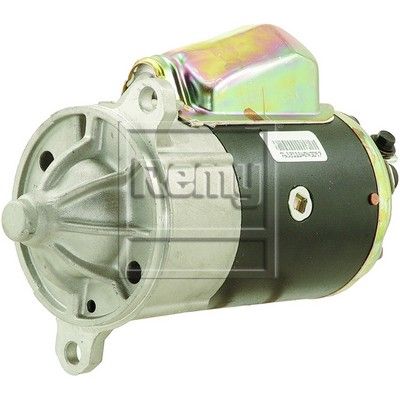
- Mid-Grade Brands (Remy): Remy (also known as Delco-Remy) has a long history in automotive electrics. While some users report a decline in the quality of their remanufactured parts recently, they remain a common choice. Some of their starters offer modern features like over-crank protection.
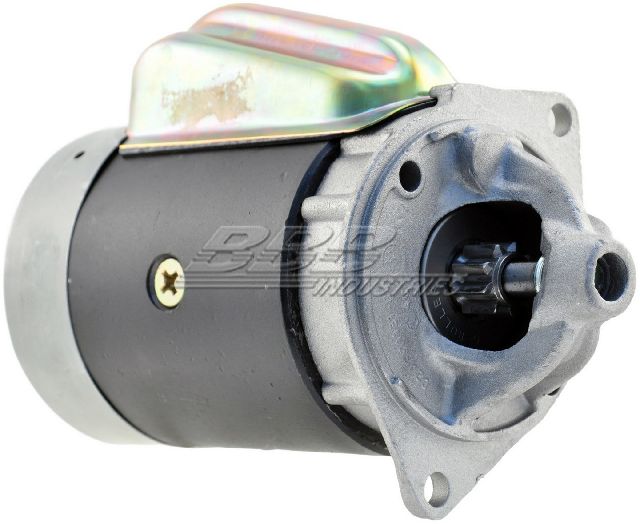
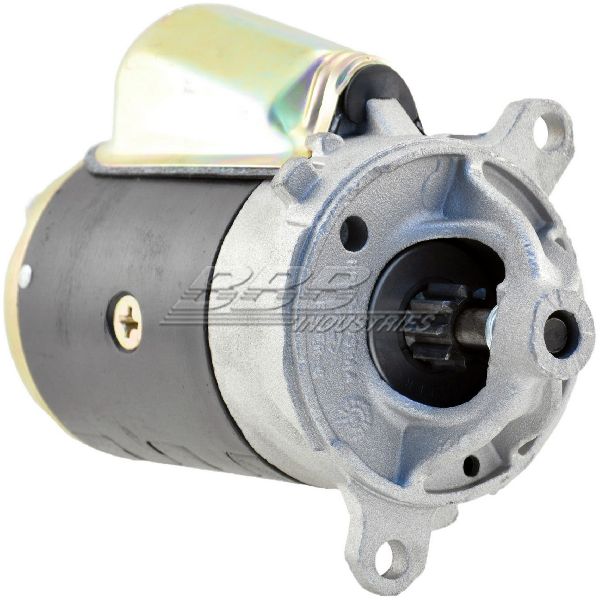
- Standard/Value Brands (WAI Global, BBB Industries): These brands offer a more budget-friendly price point. BBB Industries is a major remanufacturer that supplies parts for many store brands. WAI Global is another common value option. Reliability can be inconsistent with these brands; some units work for years, while others may fail prematurely. They often come with lifetime warranties, which can be a key selling point if you're willing to potentially do the labor more than once.
Pro Tip: Consider a PMGR Mini-Starter Upgrade
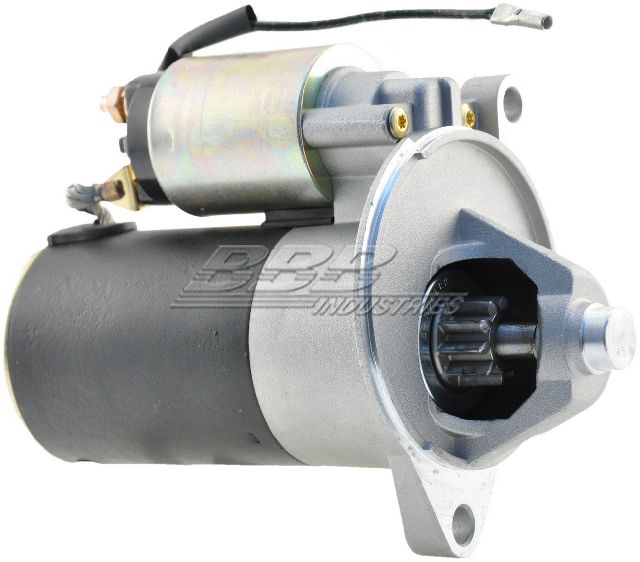
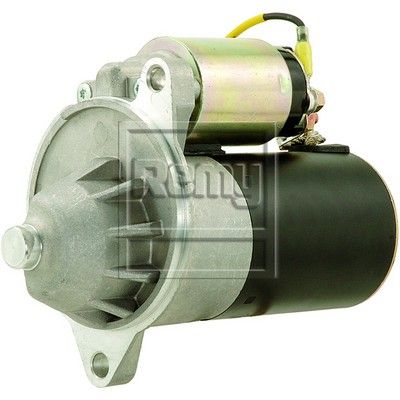
Many Bronco owners upgrade to a modern Permanent Magnet Gear Reduction (PMGR) starter, often listed for a 1990s Ford Mustang with a 5.0L engine. These starters are smaller, lighter, and more powerful than the original direct-drive units. Their higher torque and faster cranking speed can be a great solution for engines with high compression or those suffering from heat-soak problems.
New Aftermarket Starter Cost for 1977-1996 Ford Bronco
| Part Type | Estimated Cost |
|---|---|
| New Aftermarket Starter | $83 - $208 |
| Remanufactured Starter | $60 - $180 |
| Shop Labor for Installation | $125 - $250 |
Frequently Asked Questions
What is the "hot start" or "heat soak" problem?
This is when your Bronco starts fine when cold, but cranks very slowly or not at all after it has warmed up. It's often caused by the starter getting hot from the nearby exhaust manifold, which increases its electrical resistance and makes it harder to turn over. Old, corroded battery cables can make the problem worse. Upgrading to thicker gauge battery cables and/or installing a more efficient gear-reduction starter can often solve this issue.
Should I replace my fender solenoid at the same time as the starter?
Yes, it's highly recommended. The fender-mounted starter relay is an inexpensive part and a known weak point in the system. Since you're already working on the starting system, replacing it with a quality new unit is cheap insurance against future failure.
Is a remanufactured starter as good as a new one?
It depends on the rebuilder. A high-quality remanufactured unit from a top brand like Bosch or Denso can be just as reliable as a new one. However, mass-market remanufactured starters from store brands have a reputation for being inconsistent. For a vintage vehicle, having your original starter rebuilt by a local, trusted auto electric shop is often considered the best option for quality.
What tools do I need to replace the starter?
You will need a basic socket and ratchet set. The most important tool is a very long socket extension and a universal/swivel joint. The top starter bolt is notoriously difficult to reach, and this combination of tools is often necessary to access it from underneath the truck.
Technical Specifications
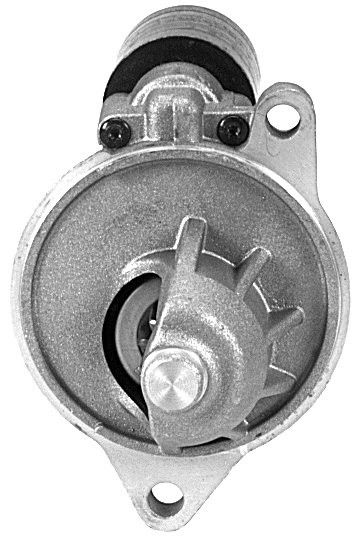
The 1977-1996 Ford Bronco uses an external, fender-mounted starter relay (solenoid) and a direct-drive style starter motor. A popular upgrade is a Permanent Magnet Gear Reduction (PMGR) starter, often sourced from a 1990s 5.0L Ford Mustang, which provides higher torque in a smaller package.
We Have This Part in Stock

The information in this article is provided for general reference and educational purposes only. Vehicle specifications, procedures, and part compatibility can vary by production date, trim level, and region. Always consult your vehicle's factory service manual and verify part numbers before purchasing or performing repairs. Safety-critical components such as airbags, seat belts, and braking systems should be installed by a qualified professional.
- 🛍️ Shop This Part
- Is Your Bronco Starter Failing? Common Symptoms
- A Word on the Fender-Mounted Starter Relay (Solenoid)
- Choosing the Right Aftermarket Starter
- Brand Quality Tiers
- Pro Tip: Consider a PMGR Mini-Starter Upgrade
- New Aftermarket Starter Cost for 1977-1996 Ford Bronco
- Frequently Asked Questions
- 🎟️ Get 5% Off