

Guide to Replacing the Carburetor on a 1978 Dodge D400
Get your classic heavy-duty Dodge running right by understanding your new aftermarket carburetor options.
- Common failure signs include hard starting, rough idle, hesitation, and black exhaust smoke.
- Your main options are new performance carburetors from brands like Holley or remanufactured stock replacements from Uremco.
- Uremco offers a direct-fit, remanufactured option, while Holley is known for performance and tunability.
- Replacing the carburetor is a feasible DIY job for those with mechanical experience, but fine-tuning may be needed.
Is Your 1978 D400 Carburetor Failing?
The original carburetors on these heavy-duty trucks are now decades old. Gaskets can dry out, internal parts wear down, and tiny passages get clogged with fuel deposits. If your truck is showing signs of trouble, the carburetor is a common culprit. Watch for these classic symptoms:
- Hard Starting: The engine cranks for a long time before it starts, especially when cold. This often points to a problem with the choke.
- Rough Idle: The truck shakes or idles unevenly at stop signs, and may even stall.
- Hesitation or Stumbling: When you step on the gas, the truck bogs down or hesitates before picking up speed. This can be caused by a worn accelerator pump.
- Black Smoke from Exhaust: This indicates the engine is running "rich," meaning it's getting too much fuel. This wastes gas and can foul your spark plugs.
- Poor Fuel Economy: If you're making more trips to the gas station, an inefficient or leaking carburetor could be the reason.
- Smell of Fuel or Visible Leaks: A strong gasoline smell or seeing fuel on the engine is a serious fire hazard and must be addressed immediately.
Choosing the Right Aftermarket Carburetor
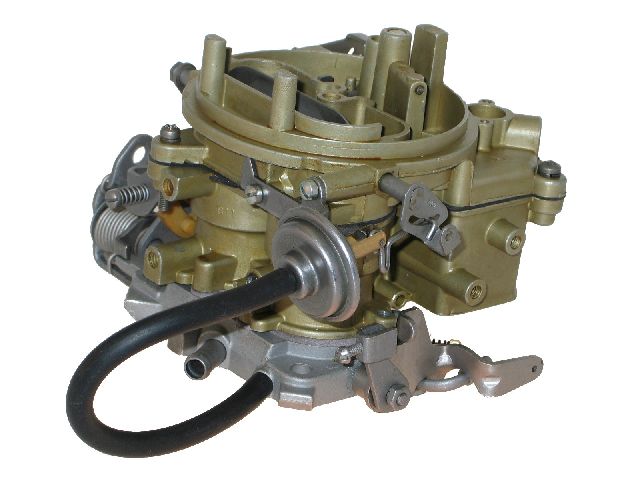
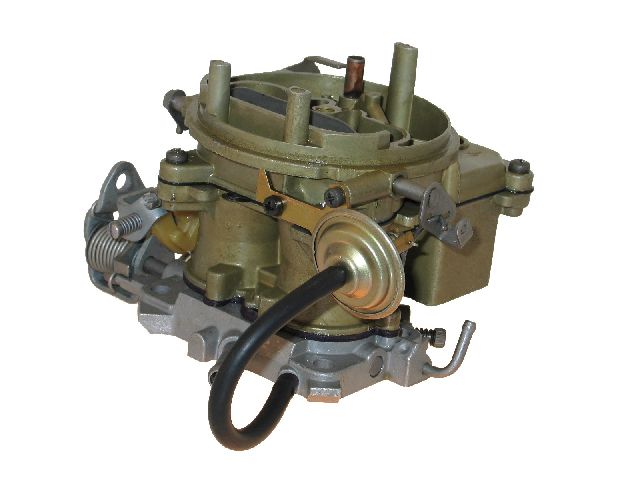
For a 1978 Dodge D400, finding a brand-new Original Equipment Manufacturer (OEM) carburetor is highly unlikely. Your main choices will be new aftermarket units or remanufactured carburetors. The original carburetors were often 2-barrel models from brands like Holley or Carter.
Aftermarket Brand Overview
| Brand | Type | Best For | Notes |
|---|---|---|---|
| Holley | New Aftermarket | Performance / Customization | Holley is a legendary name in performance carburetors. They offer excellent tunability and are a popular upgrade for Dodge trucks. Models like the classic 2-barrel 2245 or 4-barrel 4160 are common choices. Keep in mind that upgrading to a 4-barrel carburetor often requires a new intake manifold. |
| Uremco | Remanufactured | Stock Replacement | Uremco (United Remanufacturing Company) specializes in remanufactured carburetors designed to be a direct, bolt-on replacement for the factory unit. They disassemble, clean, and rebuild original carburetors with new internal components to meet OEM specifications. This is a cost-effective choice if you want to maintain originality. While many users have success, some have reported occasional quality control issues, like missing parts. |
Known Issues, Recalls, and Bulletins
A search of the National Highway Traffic Safety Administration (NHTSA) database did not show any recalls specifically for the carburetor on the 1978 Dodge D400. However, owners of similar-era Dodge trucks have noted common issues with the entire electrical system, which can sometimes be misdiagnosed as a carburetor problem. It's always wise to ensure your truck has good grounds and a healthy ignition system before replacing the carburetor.
A Note on Ethanol Fuel
Today's gasoline often contains ethanol, which can damage the rubber and gasket materials found in older, original carburetors. When choosing a replacement, whether it's a new Holley or a remanufactured Uremco, ensure it is built with modern materials compatible with ethanol-blended fuels.
Cost of Replacing a 1978 Dodge D400 Carburetor
The cost can vary depending on the brand you choose and whether you do the work yourself.
| Part Type | Estimated Cost |
|---|---|
| New Aftermarket (e.g., Holley) | $308.16 - $699.99+ |
| Remanufactured (e.g., Uremco) | $308.16 - $315.50 |
| Shop Labor | $150 - $300 |
Pro Tip: Rebuild or Replace?
If you are mechanically inclined, you can purchase a carburetor rebuild kit for a fraction of the cost of a new unit. This involves disassembling, cleaning, and replacing all the gaskets, seals, and small internal parts. However, if the carburetor body is warped or the throttle shafts are worn, replacement is the better option.
Frequently Asked Questions (FAQ)
Should I get a 2-barrel or 4-barrel carburetor?
A 2-barrel carburetor is a direct replacement for most stock D400 engines and is perfectly suitable for normal driving and hauling. A 4-barrel carburetor, like many Holley models, can provide a significant power increase, but it will use more fuel and requires a matching 4-barrel intake manifold to be installed.
What does CFM mean and why does it matter?
CFM stands for Cubic Feet per Minute and it measures how much air the carburetor can flow into the engine. For a stock or mildly modified V8 engine in a D400, a carburetor in the 500-650 CFM range is generally a good match. Using a carburetor that is too large can actually hurt performance and drivability.
What is the difference between a manual and an electric choke?
The choke is a plate that restricts air when starting a cold engine, creating a richer fuel mixture. A manual choke is controlled by a cable in the cab. An electric choke, which is common on most modern aftermarket carburetors, operates automatically using a heat-sensitive spring. Electric chokes are more convenient for most drivers.
Is replacing the carburetor a difficult job?
For someone with basic mechanic's tools and some experience, replacing a carburetor is a manageable DIY job that can take a couple of hours. It involves disconnecting the fuel line, throttle linkage, and vacuum hoses, unbolting the old carburetor, and installing the new one with a fresh gasket. However, fine-tuning adjustments may be required for optimal performance.
Technical Specifications
Common original carburetors were 2-barrel models, such as the Holley 2245 or Carter BBD. Aftermarket options are available in both 2-barrel and 4-barrel configurations, typically with an electric choke.
We Have This Part in Stock

The information in this article is provided for general reference and educational purposes only. Vehicle specifications, procedures, and part compatibility can vary by production date, trim level, and region. Always consult your vehicle's factory service manual and verify part numbers before purchasing or performing repairs. Safety-critical components such as airbags, seat belts, and braking systems should be installed by a qualified professional.
- 🛍️ Shop This Part
- Is Your 1978 D400 Carburetor Failing?
- Choosing the Right Aftermarket Carburetor
- Aftermarket Brand Overview
- Known Issues, Recalls, and Bulletins
- A Note on Ethanol Fuel
- Cost of Replacing a 1978 Dodge D400 Carburetor
- Pro Tip: Rebuild or Replace?
- Frequently Asked Questions (FAQ)
- 🎟️ Get 5% Off