

A Practical Guide to Carburetors for the 1978-1979 Dodge RD200
Solve running problems and restore power to your classic Dodge truck with the right carburetor.
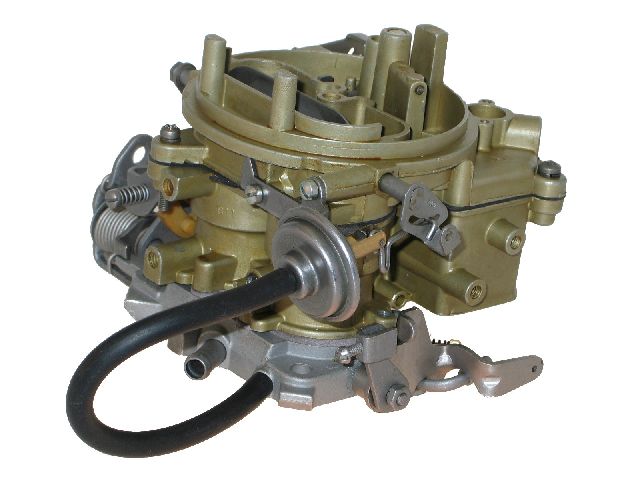
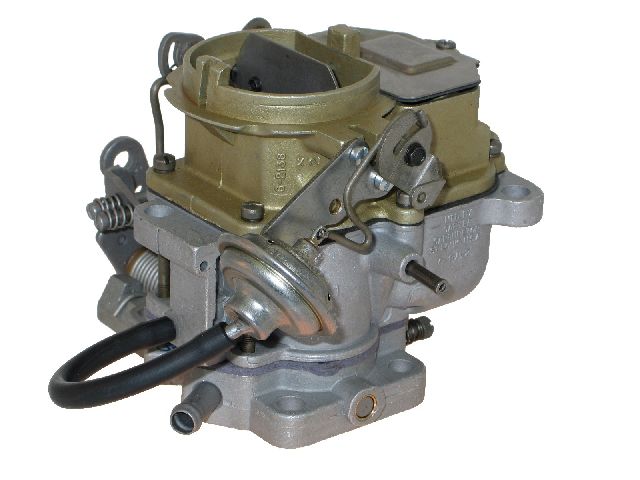
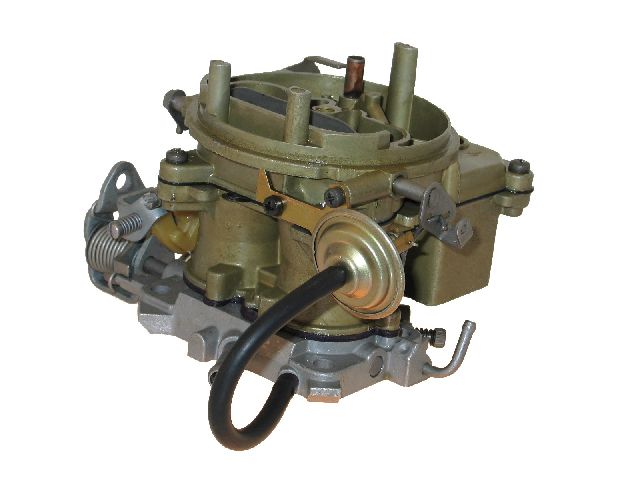
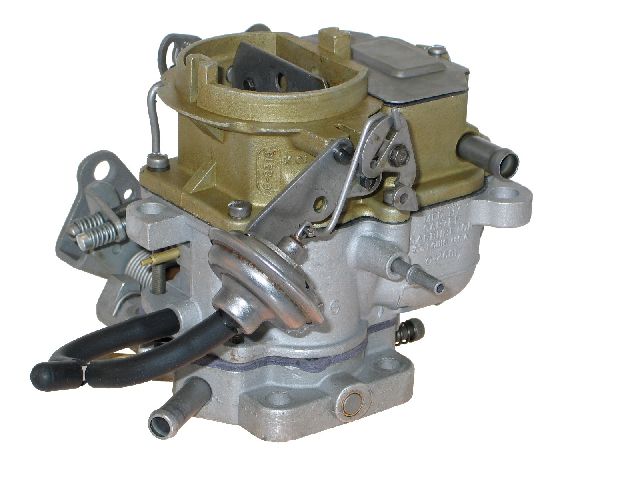
- For a stock truck, a remanufactured 2-barrel carburetor from a brand like Uremco is the easiest, most direct replacement.
- For a performance upgrade, a new Edelbrock 500-600 CFM carburetor is a popular and reliable choice, but may require other modifications.
- Before replacing the carburetor, always check for simple fixes like vacuum leaks or a new fuel filter.
- Expect to perform minor idle and mixture adjustments after installation to perfectly tune the new carburetor to your specific engine.
Is it Time for a New Carburetor?
If your Dodge RD200 is struggling to start, idling roughly, or hesitating when you press the gas, your carburetor is a likely suspect. After decades of service, the internal passages can get clogged with fuel deposits, gaskets can dry out, and moving parts can wear down. While rebuilding is an option for some, installing a new or professionally remanufactured carburetor is often a faster and more reliable fix, especially since original factory parts are no longer made.
Check for Vacuum Leaks First!
Many carburetor-like symptoms, such as a high or rough idle, are actually caused by vacuum leaks. Before replacing your carb, carefully inspect all vacuum hoses for cracks and ensure the carburetor is bolted down securely with a good gasket. An old, cracked hose is a cheap fix that could save you hundreds.
Signs of a Failing Carburetor
- Hard Starting: The engine cranks for a long time before it starts, especially when cold. This often points to a problem with the choke.
- Rough or High Idle: The engine shakes at a stop, or the idle speed is much higher than normal and won't come down.
- Stumbling and Hesitation: When you step on the gas, the truck bogs down or stumbles before picking up speed. This can indicate a bad accelerator pump or clogged jets.
- Black Smoke from Exhaust: Puffs of black smoke mean the engine is running "rich," getting too much fuel and not enough air.
- Backfiring: A pop or bang from the engine bay or exhaust can be caused by a "lean" condition, where the carburetor isn't supplying enough fuel.
- Fuel Leaks: Visible gasoline on the outside of the carburetor is a fire hazard and a clear sign that internal seals have failed.
Choosing the Right Aftermarket Carburetor
For your 1978-1979 RD200, you have two main choices: a remanufactured OEM-style carburetor or a new universal-fit performance carburetor.
Tier 1: Remanufactured OEM-Style (Uremco)
A remanufactured carburetor is an original factory carb that has been completely disassembled, cleaned, and rebuilt with new gaskets, seals, and wearable parts. Brands like Uremco specialize in this process.
- Pros: Direct bolt-on replacement with no modifications needed. It keeps your truck's engine bay looking original. They are often pre-adjusted and run well out of the box.
- Cons: As with any remanufactured part, quality can sometimes be inconsistent. While rare, issues like missing minor screws have been reported in forums.
Tier 2: New Performance Carburetor (Edelbrock)
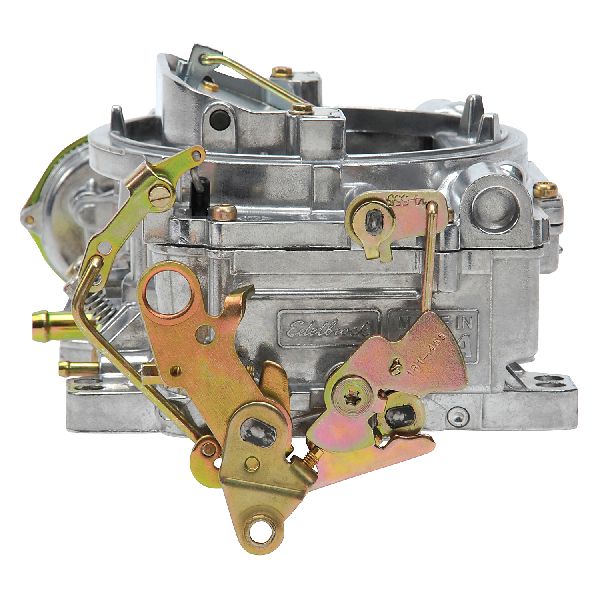
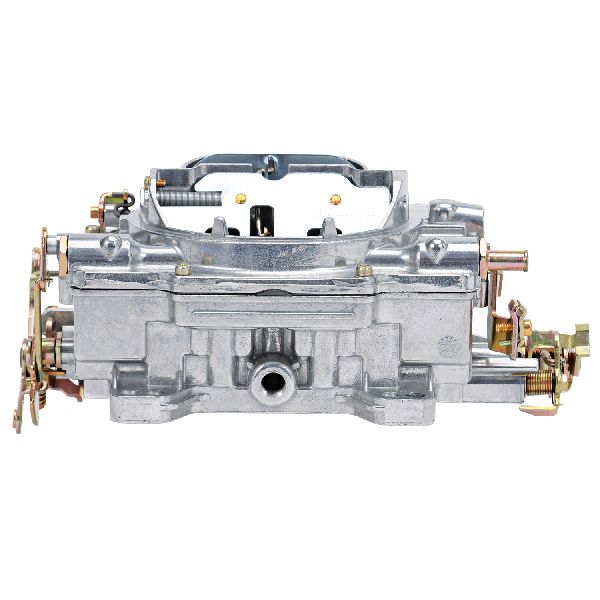
A new performance carburetor from a brand like Edelbrock is a popular upgrade. These are newly manufactured and often designed for improved performance and easier tuning.
- Pros: Known for reliability and simple tuning with rods and jets. An Edelbrock Performer Series 500 or 600 CFM carb is a common, effective upgrade for the Dodge 318 or 360 V8 engines.
- Cons: May require an adapter plate or a new 4-barrel intake manifold if you are upgrading from the stock 2-barrel carburetor. It will also alter the original look of the engine.
2-Barrel vs. 4-Barrel
Your RD200 likely came with a 2-barrel carburetor. This is fine for stock performance. Upgrading to a 4-barrel carburetor (like most Edelbrock models) along with a 4-barrel intake manifold can increase horsepower, but it's a more involved and expensive job. For a daily driver, a quality 2-barrel replacement is often the most practical choice.
Cost Comparison for a New Carburetor
| Part Type | Estimated Cost |
|---|---|
| New Aftermarket (Edelbrock, etc.) | $308.16 - $519.95 |
| Remanufactured (Uremco) | $250 - $450 |
| Shop Labor for Installation | $150 - $300 |
Frequently Asked Questions (FAQ)
Should I rebuild my old carburetor or buy a new one?
Rebuilding a carburetor requires patience, special cleaning solutions, and a clean workspace. A rebuild kit is inexpensive, but if the carburetor's main body is warped or internal passages are permanently clogged, a rebuild won't fix it. For most owners, buying a professionally remanufactured or new unit is a more reliable and time-saving solution.
Will a new carburetor be ready to go out of the box?
Usually, but not always. Remanufactured and new carburetors are preset to run on a typical engine. However, every engine is different. You should expect to make minor adjustments to the idle speed and air/fuel mixture screws to get your specific truck running perfectly.
What else should I replace with the carburetor?
It is highly recommended to replace the fuel filter anytime you install a new carburetor to prevent debris from clogging it immediately. Also, use a new carburetor base gasket to prevent vacuum leaks. Inspect the fuel line for cracks and replace it if it looks old and brittle.
Are there any recalls for the 1978-1979 Dodge RD200 carburetor?
No, there are no active recalls or technical service bulletins (TSBs) from the NHTSA specifically for the carburetor on the 1978-1979 Dodge RD200.
Technical Specifications
OEM Part Numbers: 6410S 6457S 9017S 6324S 6456S 9015S 6446S 9014S 6321S
Original equipment was typically a 2-barrel (2BBL) carburetor from Carter or Holley. Common aftermarket upgrades are 4-barrel (4BBL) carburetors with a 500-600 CFM (Cubic Feet per Minute) rating.
We Have This Part in Stock

The information in this article is provided for general reference and educational purposes only. Vehicle specifications, procedures, and part compatibility can vary by production date, trim level, and region. Always consult your vehicle's factory service manual and verify part numbers before purchasing or performing repairs. Safety-critical components such as airbags, seat belts, and braking systems should be installed by a qualified professional.
- 🛍️ Shop This Part
- Is it Time for a New Carburetor?
- Check for Vacuum Leaks First!
- Signs of a Failing Carburetor
- Choosing the Right Aftermarket Carburetor
- Tier 1: Remanufactured OEM-Style (Uremco)
- Tier 2: New Performance Carburetor (Edelbrock)
- 2-Barrel vs. 4-Barrel
- Cost Comparison for a New Carburetor
- Frequently Asked Questions (FAQ)
- 🎟️ Get 5% Off