

Dodge B100 Front Disc Brake Caliper Guide (1978-1980)
Everything you need to know before replacing the front brake calipers on your classic Dodge van.
- You must choose between new aftermarket calipers (like Dynamic Friction) or more common remanufactured ones (like Cardone or BBB Industries).
- Remanufactured calipers require a core charge, which is a refundable deposit you pay until you return your old part.
- Always replace calipers in pairs (both front wheels) to ensure even braking and safety.
- Replacing a caliper is an intermediate-level job; bleeding the brakes correctly is the most critical step for safety.
Symptoms of a Failing Brake Caliper
On a heavy-duty van like the B100, a bad caliper isn't just an inconvenience—it's a major safety issue. Because these vans have simple, non-ABS brake systems, you'll feel problems directly. Look out for these signs:
- Pulling to One Side: If the van sharply pulls left or right when you brake, it often means one caliper is seized or not applying pressure correctly.
- Spongy or Soft Pedal: A caliper seal leak can let air into the brake lines, making the pedal feel soft and reducing stopping power. You might also see brake fluid on the inside of your wheel.
- Brake Dragging: A caliper that doesn't release properly will cause the brake pads to drag on the rotor. You might notice a burning smell, excessive heat from one wheel, or poor fuel economy.
- Grinding or Squealing: While often caused by worn pads, these noises can also happen if a caliper is stuck, causing uneven and rapid pad wear.
Brake Fluid is a Red Flag
Never ignore brake fluid leaks. A leak in a caliper seal means the system is losing pressure and gaining air, which can lead to sudden brake failure. This is a critical safety repair.
Choosing the Right Aftermarket Caliper
Original Mopar calipers for a 1978-1980 B100 are long gone. The good news is that the aftermarket offers several solid options. Your main choice will be between new and remanufactured calipers.
Brand Tiers: New vs. Remanufactured
Tier 1: New Calipers (e.g., Dynamic Friction)
New calipers are manufactured from scratch with all-new materials. They are designed to match original equipment (OEM) form and function.
- Pros: No old parts, no core charge, consistent quality. You get a brand-new part with new seals, pistons, and hardware.
- Cons: Usually the most expensive option.
Tier 2: Remanufactured Calipers (e.g., Cardone, BBB Industries)
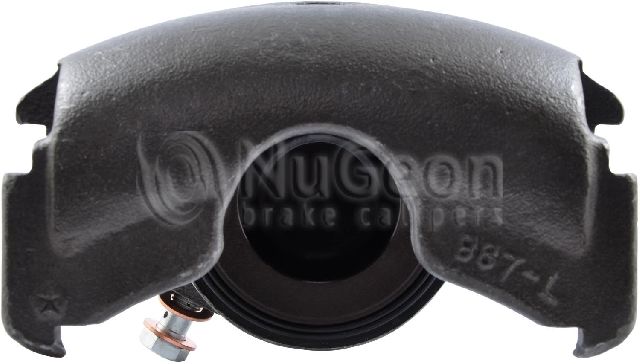
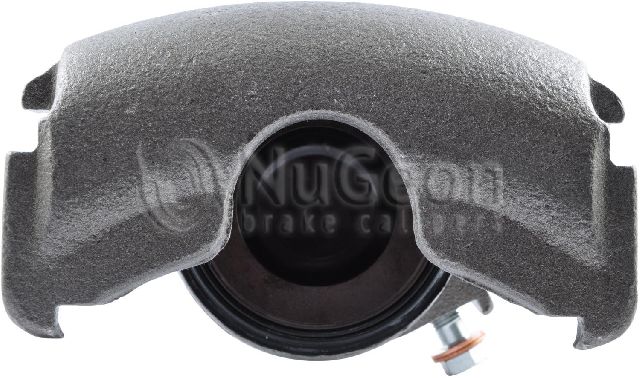
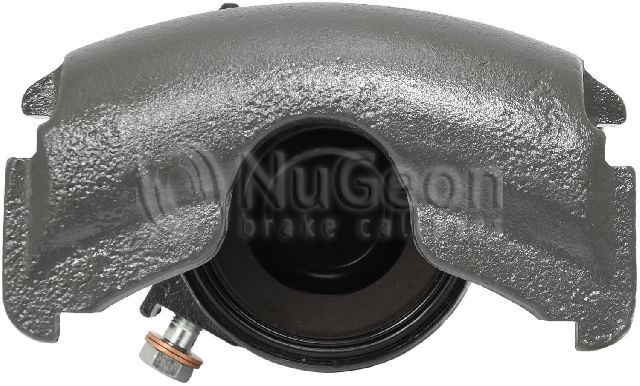
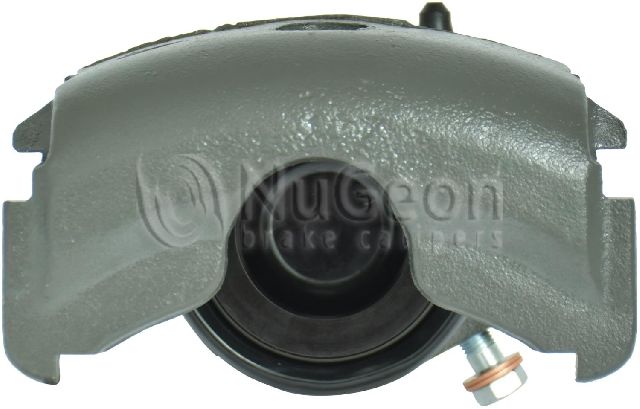
Remanufactured calipers are used OEM caliper cores that have been disassembled, cleaned, and rebuilt with new seals and other wear items. They are a cost-effective and common solution for older vehicles.
- Pros: More affordable, environmentally friendly.
- Cons: Quality can be inconsistent. Some reviews mention issues with reused hardware or cosmetic blemishes. You will almost always have to pay a "core charge," which is a deposit you get back when you return your old caliper.
Check the Hardware
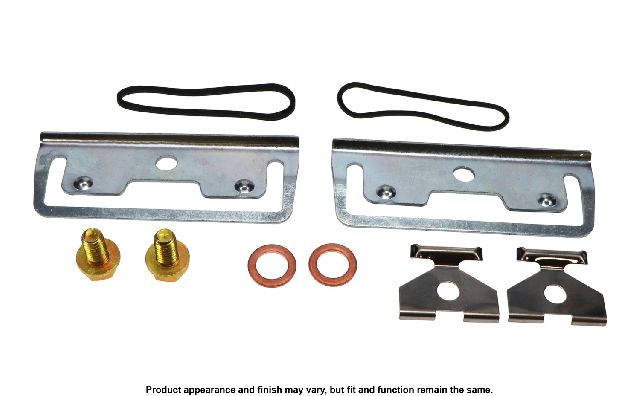
When buying calipers, check if they come with new mounting hardware (bolts, clips) and copper washers for the brake line. If not, you may need to purchase them separately. Reusing old hardware, especially crush washers, can lead to leaks.
Estimated Costs for Caliper Replacement
| Part/Service | Estimated Cost |
|---|---|
| New Aftermarket Caliper (Single) | $39.65 - $118.58 |
| Shop Labor (Per Caliper) | $120 - $300 |
| Total Per Caliper (Parts + Labor) | $160 - $420 |
Costs are estimates and can vary based on your location and the specific parts chosen. This does not include the cost of new brake pads, rotors, or a brake fluid flush, which are often recommended at the same time.
Frequently Asked Questions (FAQ)
Should I replace brake calipers in pairs?
Yes, it is highly recommended. Calipers are wear items. If one has failed, the other on the same axle is likely near the end of its life. Replacing them in pairs ensures even braking performance and prevents the van from pulling to one side.
What is a core charge?
A core charge is a deposit you pay when buying a remanufactured part like a caliper. You get this deposit back when you return your old, used part to the seller. This allows the manufacturer to rebuild it for the next customer. New calipers, like those from Dynamic Friction, do not have a core charge.
Can I reuse my old brake pads with a new caliper?
It is not recommended. A failing caliper often causes uneven wear on the brake pads. Installing old, unevenly worn pads with a new caliper will reduce braking performance and cause premature wear on your new parts. Always install new pads with new or remanufactured calipers.
Is bleeding the brakes necessary after replacing a caliper?
Absolutely. When you disconnect the brake line to change the caliper, air enters the hydraulic system. Air in the lines is compressible and will result in a spongy pedal and severely reduced braking power. The system must be properly bled to remove all air before the vehicle is safe to drive.
Are there any recalls for 1978-1980 Dodge B100 brake calipers?
No, searches of the NHTSA database and other records found no specific recalls or technical service bulletins (TSBs) for the disc brake calipers on the 1978-1980 Dodge B100.
Technical Specifications
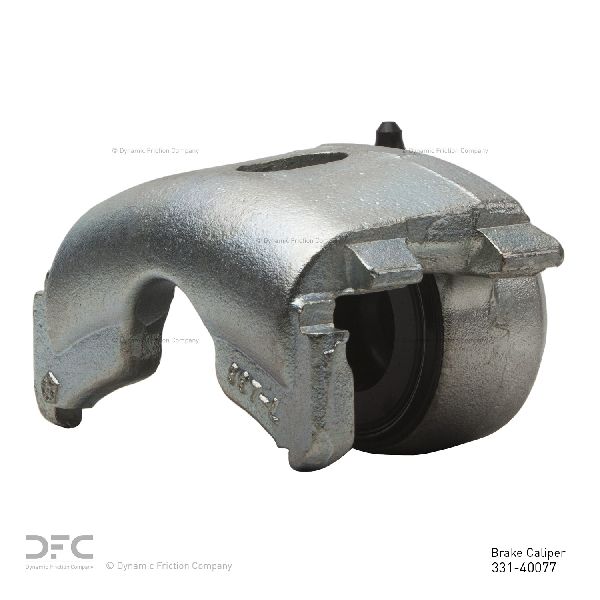
The 1978-1980 Dodge B100 uses a single-piston floating caliper for its front disc brakes.
We Have This Part in Stock

The information in this article is provided for general reference and educational purposes only. Vehicle specifications, procedures, and part compatibility can vary by production date, trim level, and region. Always consult your vehicle's factory service manual and verify part numbers before purchasing or performing repairs. Safety-critical components such as airbags, seat belts, and braking systems should be installed by a qualified professional.