

A Practical Guide to Replacing Your 1978-1980 Dodge B300 Disc Brake Calipers
Keep your classic Dodge van stopping safely and reliably by choosing the right front disc brake calipers.
- Calipers on the 1978-1980 B300 are prone to seizing from age and rust; symptoms include pulling, dragging, and burning smells.
- Always replace calipers in pairs (both fronts) to ensure safe, even braking.
- Choose between new aftermarket calipers (like Dynamic Friction) for higher quality or remanufactured calipers (like Cardone) for a lower cost.
- While replacing calipers, it is critical to also inspect brake hoses for cracks and swelling and to bleed the entire brake system with fresh fluid.
Common Caliper Problems on a 1978-1980 Dodge B300
Due to the age of these vans, brake caliper failure is common. The single-piston calipers used on these models are prone to seizing from rust and inactivity. The rubber seals can dry out and crack, allowing moisture to corrode the piston or slide pins. When a caliper seizes, it can either fail to apply pressure, reducing your stopping power, or get stuck clamped against the rotor, causing a dangerous dragging situation.
Symptoms of a Failing Brake Caliper
- Pulling to One Side: When you brake, the van may pull sharply to the left or right. If the caliper is stuck, it can also pull to one side even when you're not braking.
- Spongy or Soft Brake Pedal: If a caliper seal is leaking fluid, you may lose hydraulic pressure, causing the pedal to feel soft.
- Dragging Sensation: A seized caliper that doesn't release will feel like the brakes are always on, making the van feel sluggish.
- Burning Smell: A constantly dragging brake pad will overheat, creating a distinct and acrid burning smell from the wheel well. This can be a fire hazard.
- Uneven Brake Pad Wear: When you inspect your brake pads, you may notice that the pads on one wheel are much more worn than the other side.
Choosing the Right Aftermarket Caliper
Original OEM calipers for a vehicle this age are no longer produced. The market consists of remanufactured calipers and a few brands offering newly manufactured units. All options for this vehicle are "semi-loaded," meaning they come without brake pads, so you will need to purchase those separately.
Aftermarket Brand Tiers
| Tier | Brands | Description |
|---|---|---|
| Premium New | Dynamic Friction | Dynamic Friction offers brand new calipers that are designed to meet or exceed original specifications. The main advantages are that you get a 100% new part with no wear and tear, and there is no core charge or need to return your old part. User reviews are generally positive, citing good quality and performance. |
| Standard Remanufactured | Cardone, BBB Industries | These are the most common and affordable options. Brands like Cardone and BBB Industries take original caliper castings, clean them, and rebuild them with new seals and hardware. Quality can be inconsistent; some users report issues with reused components or machining on remanufactured parts. However, they offer a cost-effective solution and are widely available. These parts require you to return your old caliper (the "core") to get a refund on the core deposit. |
A Note on Remanufactured Part Quality
While remanufactured calipers provide great value, quality can vary. It is critical to inspect the part before installation. Check that the bleeder screw threads are clean, the piston boot is new and properly seated, and the slide pin bores are clean. Many store brands are often remanufactured by companies like Cardone.
Frequently Asked Questions (FAQ)
Should I replace my brake calipers in pairs?
Yes. It is always recommended to replace calipers on the same axle (both front calipers at the same time). This ensures even braking performance and prevents the vehicle from pulling to one side. An old caliper will not perform the same as a new or newly remanufactured one.
What is a core charge?
A core charge is a deposit you pay when buying a remanufactured part. You get this deposit back when you return your old, rebuildable caliper to the store. New calipers, like those from Dynamic Friction, do not have a core charge.
Do I need special tools to replace a brake caliper?
You will need a standard set of mechanic's tools (sockets, wrenches), a C-clamp to compress the piston (on the old caliper), and brake bleeding equipment (a bleeder wrench and either a vacuum pump, pressure bleeder, or a helper to pump the pedal). Because of the age of the vehicle, a torch and penetrating oil may be needed for rusted bolts.
What are phenolic pistons and are they good?
The calipers for this van use phenolic (a type of resin composite) pistons. Phenolic pistons are lightweight and do not transfer heat as much as steel pistons, which helps keep the brake fluid cooler. They also cannot rust in the caliper bore, which is a major cause of seizure. They are a reliable and effective original-spec material for this application.
Were there any recalls for 1978-1980 B300 brake calipers?
No specific recalls or Technical Service Bulletins (TSBs) for the front disc brake calipers on the 1978-1980 Dodge B300 were found in searches of the NHTSA database. Due to the vehicle's age, records are limited and many issues are addressed through standard repairs rather than official bulletins.
Technical Specifications
OEM Part Numbers: P-1188200
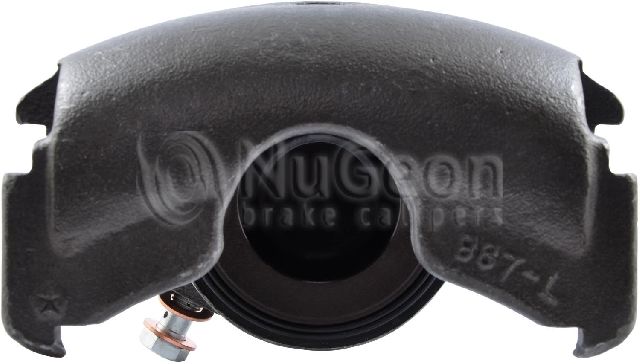
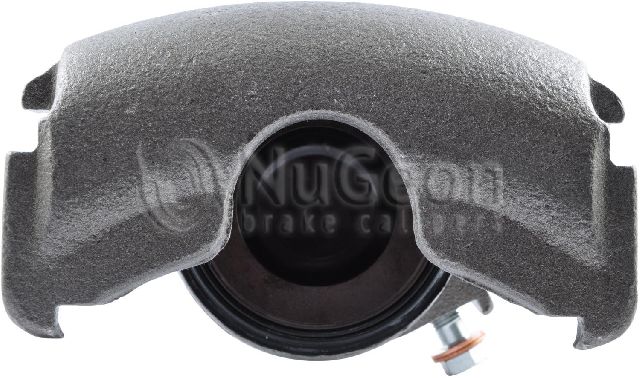
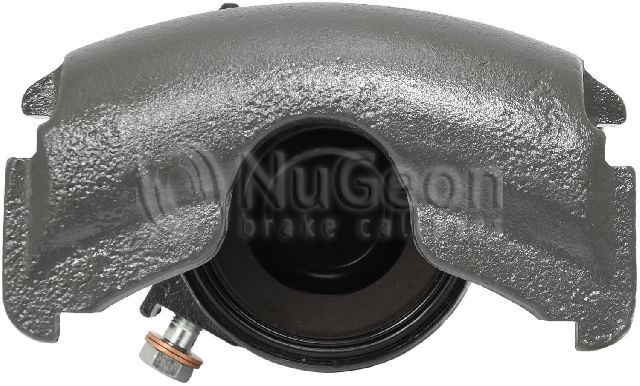
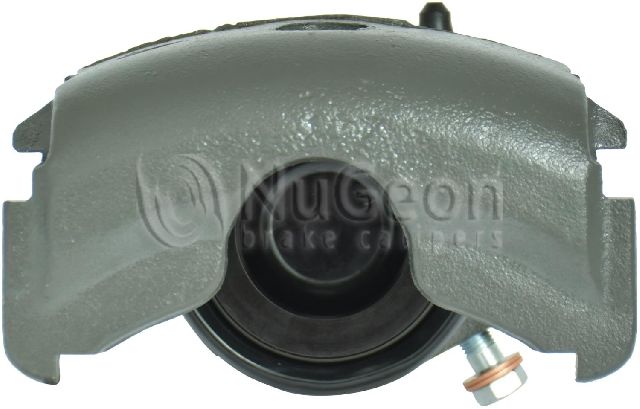
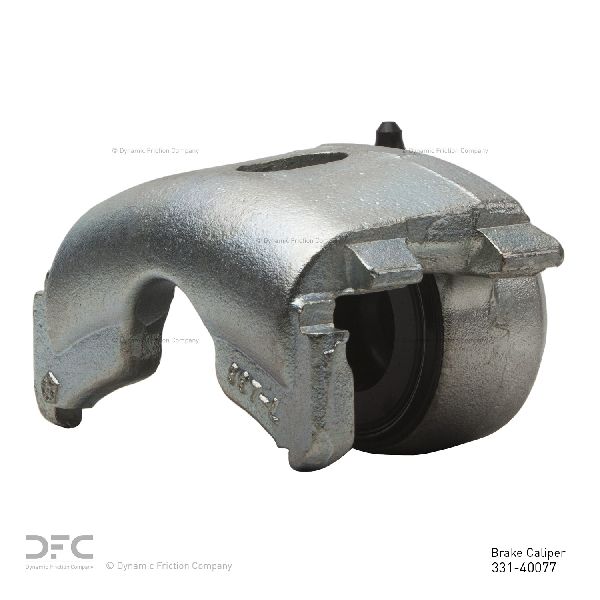
The 1978-1980 Dodge B300 uses a single-piston front disc brake caliper. The original and most common aftermarket replacements feature a phenolic piston. These are sold as semi-loaded calipers, meaning brake pads are not included.
We Have This Part in Stock

The information in this article is provided for general reference and educational purposes only. Vehicle specifications, procedures, and part compatibility can vary by production date, trim level, and region. Always consult your vehicle's factory service manual and verify part numbers before purchasing or performing repairs. Safety-critical components such as airbags, seat belts, and braking systems should be installed by a qualified professional.