

1978-1980 Dodge D200 Disc Brake Caliper Replacement and Upgrade Guide
Address common brake pulling and sticking issues by choosing the right replacement calipers for your classic Dodge truck.
- Sticking or seized calipers are a common problem on the 1978-1980 D200, often causing the truck to pull to one side when braking.
- Always replace calipers in pairs to ensure even and safe braking performance.
- Consider calipers with phenolic pistons as an upgrade to prevent future seizing from rust.
- Plan on replacing the flexible rubber brake hoses at the same time, as they can degrade internally and cause calipers to stick.
Signs of a Failing Brake Caliper on Your D200
Brake calipers on these classic Dodge trucks are prone to sticking or seizing over time. Rust, corrosion, and old, contaminated brake fluid are the usual culprits. If you notice any of these symptoms, it's time to inspect your calipers.
- Vehicle Pulling to One Side: When one caliper applies more force than the other, your truck will pull to the left or right during braking. This is a classic sign of a sticking caliper.
- Brakes Dragging: A seized caliper piston may not retract properly, causing the brake pads to stay in contact with the rotor. You might feel like you're driving with the parking brake partially on and may notice excessive heat or a burning smell from one of the wheels.
- Brake Fluid Leaks: Puddles of fluid near your wheels or a constantly dropping fluid level in the master cylinder point to a leak. A leaking caliper will have fluid around the piston boot or the bleeder screw.
- Spongy or Soft Brake Pedal: While this can also be caused by air in the lines or a failing master cylinder, a caliper issue can contribute to a poor pedal feel.
Safety First: Brake Issues are Serious
Brake system failures are a critical safety risk. If your D200 is exhibiting severe symptoms like pulling, fluid loss, or a soft pedal, it is not safe to drive. Have the vehicle inspected and repaired immediately.
Choosing the Right Aftermarket Caliper
For a 1978-1980 D200, finding brand-new OEM calipers is nearly impossible. The market consists of remanufactured units, where the original caliper body is cleaned, inspected, and rebuilt with new seals, boots, and pistons. The quality can vary, so it's important to know what you're buying.
Brand Tiers & Quality
The available brands like Cardone, BBB Industries, and Dynamic Friction all offer remanufactured calipers that meet original equipment (OE) specifications.
- Cardone: One of the most common remanufacturers. User reviews are mixed; some receive perfectly good parts, while others report issues with quality control, such as twisted boots or surface rust on arrival. Buying locally can be an advantage for easy inspection and returns.
- BBB Industries: A well-known remanufacturer that supplies parts for many store brands. They are considered a standard, reliable option in the aftermarket.
- Dynamic Friction: Often marketed as new, these are also typically remanufactured calipers for older applications. They are another standard choice, but user reviews specific to this vintage truck are limited.
Pro Tip: Steel vs. Phenolic Pistons
When choosing a caliper, you may see an option for a steel or phenolic piston. For a heavy truck like the D200, this is an important choice.
- Steel pistons are strong but can rust over time, leading to a seized caliper—a common issue on these trucks.
- Phenolic pistons are made from a composite resin. They do not rust and are better at insulating brake fluid from heat, which helps prevent brake fade under heavy use. Given the tendency for old calipers to seize from corrosion, phenolic pistons are an excellent upgrade for longevity and reliability.
Estimated Costs for Caliper Replacement
| Part/Service | Estimated Cost | Notes |
|---|---|---|
| Aftermarket Remanufactured Caliper | $40 - $120 per caliper | Price depends on brand and piston material. A core charge is almost always required. |
| Shop Labor | $100 - $250 per caliper | Includes installation and bleeding the brake system. |
| Total Professional Replacement | $140 - $370 per caliper | Always replace calipers in pairs (both front or both rear) for balanced braking. |
Frequently Asked Questions (FAQ)
Should I replace my brake calipers in pairs?
Yes. It is highly recommended to replace both the left and right calipers at the same time. This ensures even braking force and response from both sides of the vehicle, preventing pulling and ensuring predictable stopping. A new caliper will behave differently than a 40-year-old one.
What is a core charge?
Since aftermarket calipers for your D200 are remanufactured, a core charge is added to the price. This is a deposit that you get back when you return your old, worn-out caliper to the seller. The old caliper body (the "core") is then sent back to be rebuilt.
Do new calipers come with brake pads and hardware?
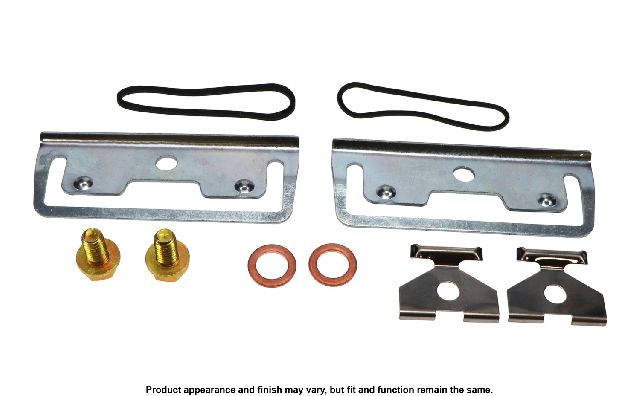
It depends. A "semi-loaded" caliper typically includes new guide pins and boots but does not include brake pads. A "loaded" caliper comes complete with new pads and all necessary hardware pre-installed. Always check the product description to see what is included.
Should I replace my brake hoses at the same time?
It's a very good idea. Old rubber brake hoses can degrade from the inside, swell, and act like a one-way valve, trapping pressure and causing a caliper to stick. Since you are already opening the hydraulic system, replacing the flexible hoses is a smart and inexpensive preventative measure. There was even a recall in 1979 for front brake hoses on some 1978 models that could rub against the wheel.
Technical Specifications
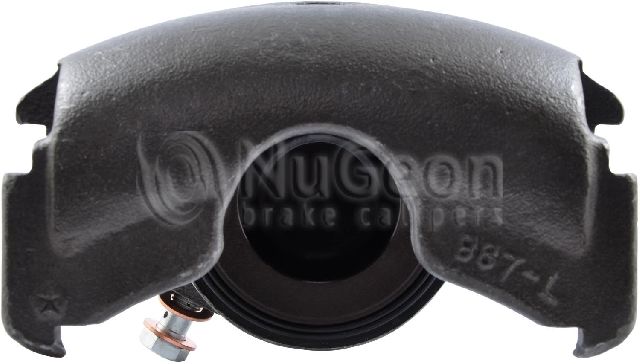
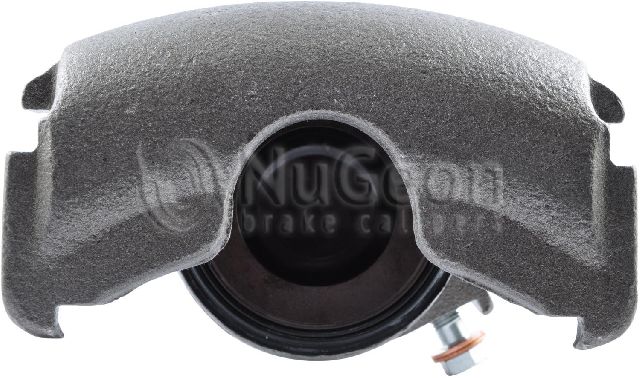
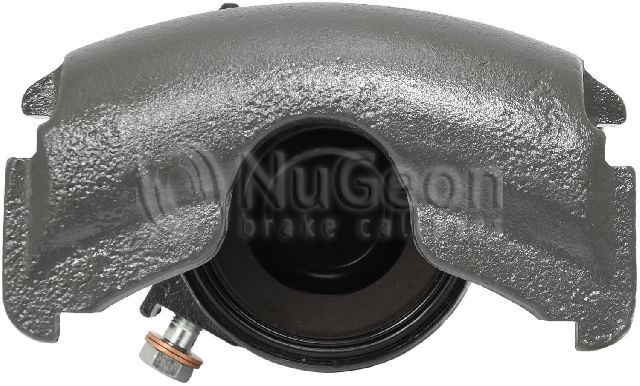
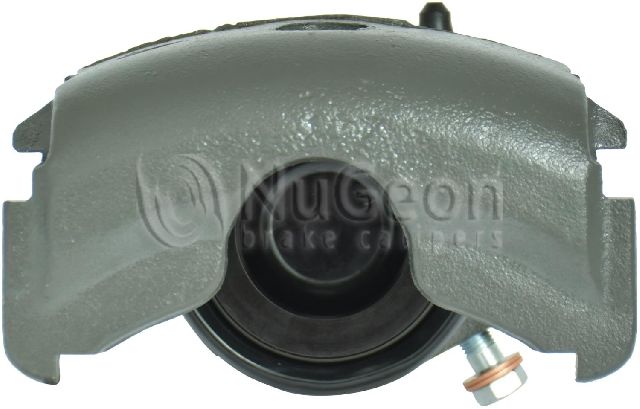
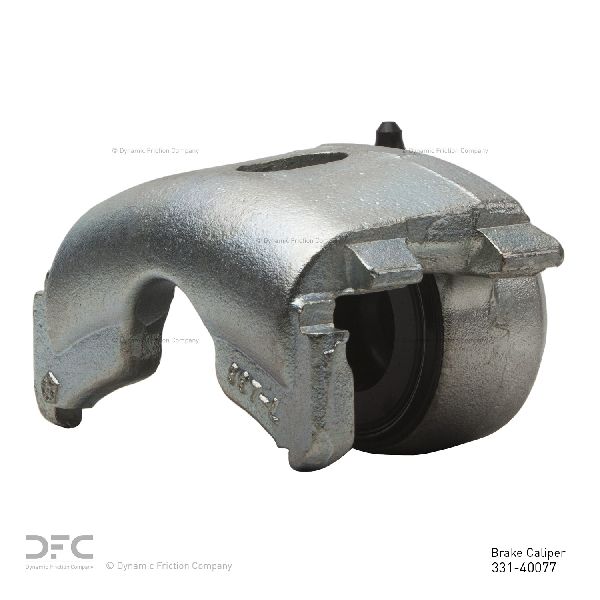
The 1978-1980 Dodge D200 uses a single-piston, floating caliper design for the front disc brakes. Replacement calipers are available with either steel or phenolic pistons.
We Have This Part in Stock

The information in this article is provided for general reference and educational purposes only. Vehicle specifications, procedures, and part compatibility can vary by production date, trim level, and region. Always consult your vehicle's factory service manual and verify part numbers before purchasing or performing repairs. Safety-critical components such as airbags, seat belts, and braking systems should be installed by a qualified professional.