

Dodge D400 Automatic Transmission Cooler: 1978-1981 Replacement Guide
Keep your classic Dodge D400's transmission cool and protected from expensive damage.
- For a 1978-1981 Dodge D400, a new aftermarket cooler is the only practical option and a significant upgrade.
- Symptoms of failure include overheating, fluid leaks, a burnt smell, and poor shifting performance.
- Heat is the primary cause of transmission failure; a functional cooler is essential, especially when towing.
- Brands like Hayden are well-regarded in the aftermarket for their reliability and performance.
Is Your Transmission Overheating?
For a heavy-duty truck like the Dodge D400, the automatic transmission works hard and creates a lot of heat. The transmission oil cooler is the key to managing this heat. When it fails, the transmission is at risk. Because of the age of these trucks, the original cooler may be clogged with debris, rusted, or simply not as efficient as modern designs. An aftermarket cooler is often a necessary and worthwhile upgrade.
Heat is the #1 Killer of Transmissions
Driving with a bad transmission cooler can quickly lead to transmission failure, a repair that can cost thousands of dollars. Pay close attention to any warning signs.
Symptoms of a Failing Transmission Cooler
If you notice any of these signs, your transmission cooler may need to be replaced:
- Transmission Overheating: This is the most direct symptom. On some trucks, a warning light may appear on the dash, but on older vehicles like the D400, you may first notice a burning smell.
- Fluid Leaks: Red or brownish fluid puddles under the front of your truck can indicate a leak from the cooler or its lines. The cooler sits in front of the radiator and is vulnerable to damage from road debris.
- Poor Shifting Performance: When transmission fluid gets too hot, it loses its ability to work properly. This can cause the transmission to shift roughly, slip between gears, or hesitate.
- Burnt Smell: A sweet, burnt odor is a sign that your transmission fluid is overheating and burning. This indicates a serious problem that needs immediate attention.
Choosing a New Aftermarket Cooler
For a 1978-1981 Dodge D400, finding a new OEM (Original Equipment Manufacturer) transmission cooler is highly unlikely. Aftermarket parts are the go-to option and often provide better performance than the original factory part.
Brand Tiers: Hayden vs. Four Seasons
When shopping for a new cooler, you'll likely see brands like Hayden and Four Seasons. Both are well-known in the aftermarket industry.
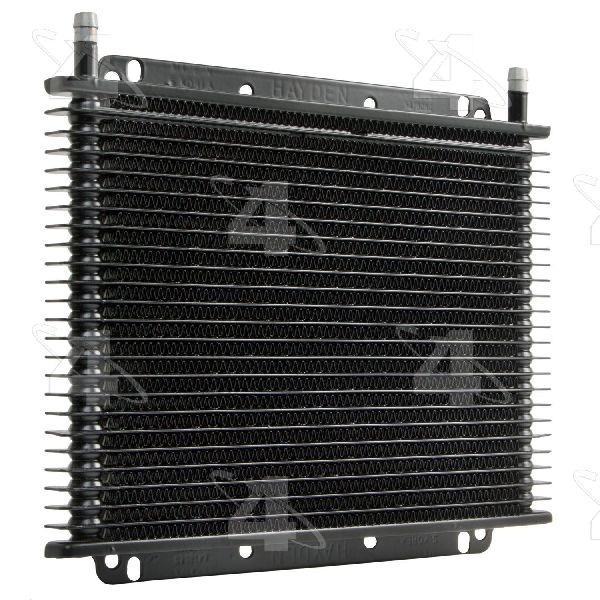
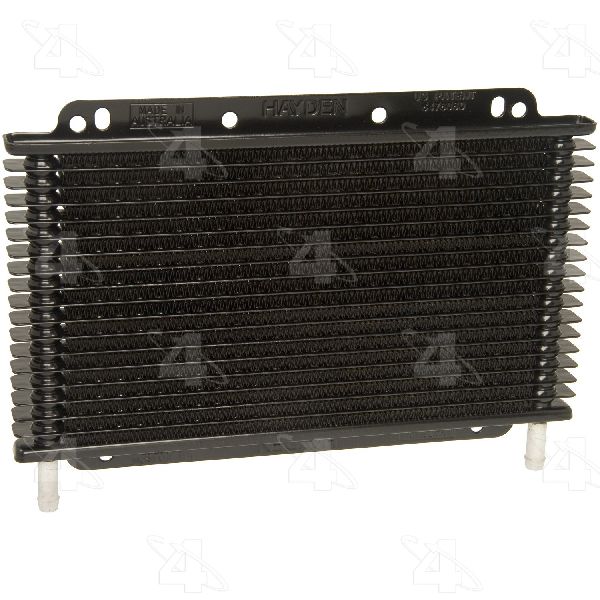
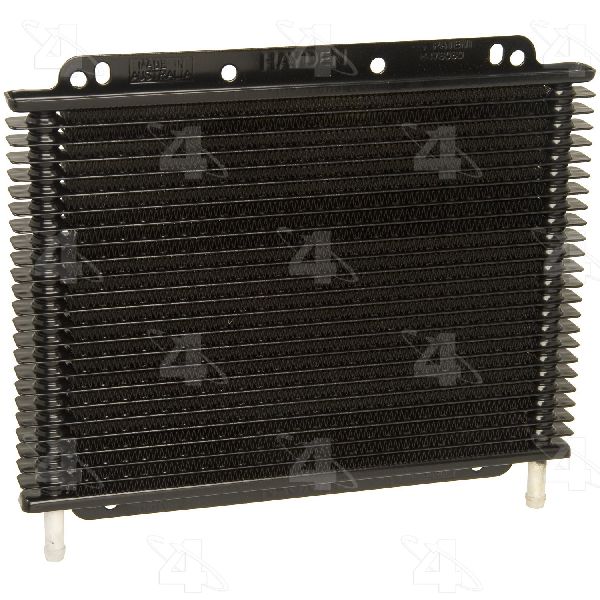
- Hayden: This is a very popular and trusted brand for transmission coolers. Many mechanics and DIYers use Hayden coolers and report good results and reliability. They offer a range of sizes, allowing you to select a cooler that fits your needs, especially if you tow or carry heavy loads.
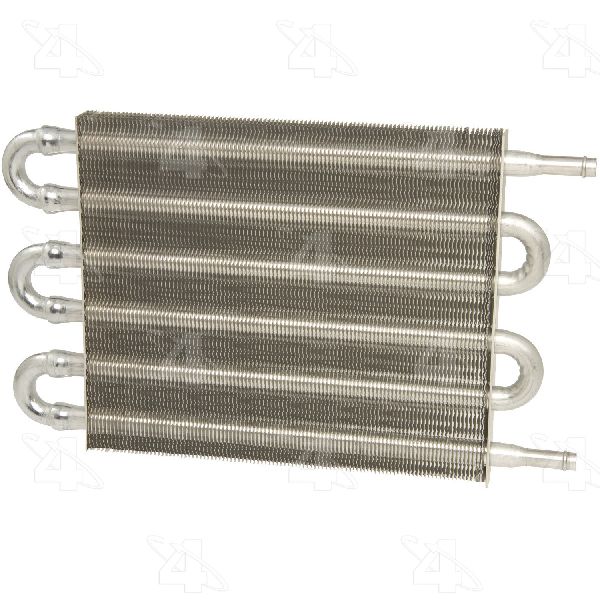
- Four Seasons: While also a major aftermarket brand, Four Seasons is often associated with a wider range of climate control and cooling system parts. Their coolers are considered a solid, standard replacement option.
Pro Tip: For a heavy-duty truck like the D400, consider getting the largest cooler that will reasonably fit. More cooling capacity is always better for transmission health, especially if you use your truck for work.
Cost to Replace a Transmission Cooler
The prices below are estimates for the 1978-1981 Dodge D400. Aftermarket parts are the most common and practical choice.
| Part Type | Estimated Cost |
|---|---|
| New Aftermarket Cooler | $57.92 - $160.04 |
| Shop Labor | $100 - $250 |
| Total Cost | $158 - $411 |
Frequently Asked Questions (FAQ)
Can I replace the transmission cooler myself?
Yes, this is a job that a DIY mechanic can typically handle. It involves draining some fluid, disconnecting the old lines and cooler, mounting the new cooler, and reconnecting everything. The main challenges are dealing with potential rust on an older truck and avoiding a mess with the transmission fluid.
Are there any recalls for the D400 transmission cooler?
Our search of the NHTSA database and other records found no specific recalls or technical service bulletins (TSBs) for the automatic transmission oil cooler on the 1978-1981 Dodge D400. Recalls for D-series trucks of this era were typically for other issues like steering.
Should I bypass the radiator cooler or run the new cooler in-line?
For best performance, you should run the transmission fluid through the factory radiator cooler first, and then through the new auxiliary cooler. This setup uses both coolers to provide maximum heat dissipation, which is ideal for a hard-working truck.
What type of transmission fluid should I use to top it off?
Always check your owner's manual or a service guide for the correct type of automatic transmission fluid (ATF). Using the wrong fluid can cause shifting problems and damage the transmission. After installing the new cooler, you will need to add some fluid to account for the larger capacity of the new part.
Technical Specifications
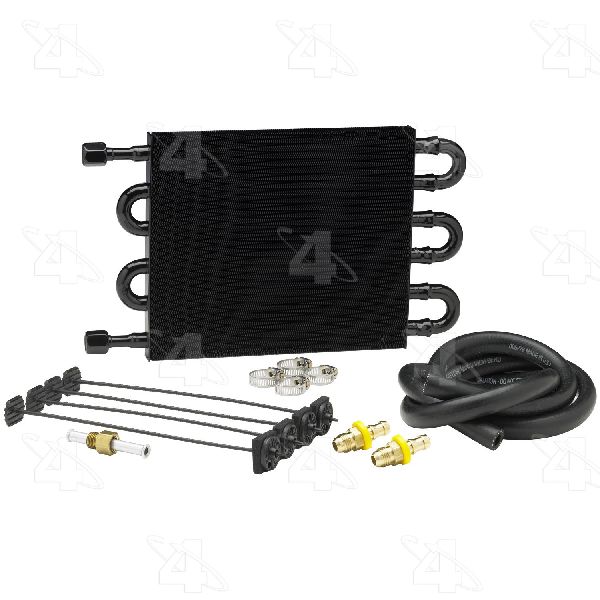
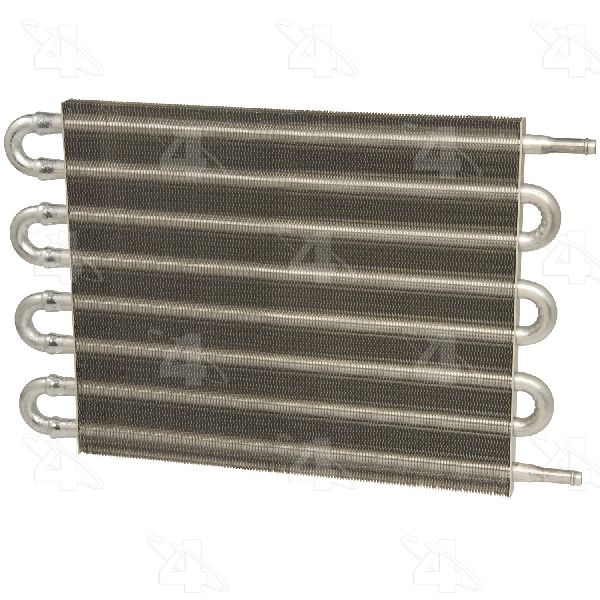
The primary specification is the physical size and the type of fittings (barbed for rubber hoses or threaded). Plate-and-fin style coolers are generally more efficient than older tube-and-fin designs. Choose the largest size that can be securely mounted in front of the radiator.
We Have This Part in Stock

The information in this article is provided for general reference and educational purposes only. Vehicle specifications, procedures, and part compatibility can vary by production date, trim level, and region. Always consult your vehicle's factory service manual and verify part numbers before purchasing or performing repairs. Safety-critical components such as airbags, seat belts, and braking systems should be installed by a qualified professional.