

1978-1982 Buick Century Torque Converter Clutch Solenoid Explained
If your Century is stalling at stop signs or getting poor gas mileage, the transmission's lock-up solenoid could be the problem.
- Stalling when you stop is a classic sign the TCC solenoid is stuck on.
- Poor highway MPG and higher engine RPMs mean the solenoid may be stuck off.
- This is a common problem on GM automatic transmissions from this era.
- Replacing the solenoid involves dropping the transmission pan and is a messy but DIY-friendly job.
Is Your Buick Century Stalling When You Stop?
One of the most common and alarming signs of a failed Torque Converter Clutch (TCC) solenoid is when the engine chugs or stalls completely as you brake to a stop. This happens when the solenoid gets stuck in the 'on' position. The torque converter stays locked, meaning the engine is still directly connected to the wheels. As the car stops, it drags the engine down with it, just like forgetting to press the clutch on a manual transmission car.
Symptoms of a Failing TCC Solenoid
Besides stalling, there are other signs that your TCC solenoid is failing. If the solenoid is stuck 'off' and never engages, you will notice:
- Poor Fuel Economy: Your gas mileage, especially on the highway, will drop. You might lose between 1 to 4 miles per gallon because the engine has to run at a higher RPM to maintain speed.
- High Engine RPM: While cruising on the highway, you'll see the engine speed is about 300-400 RPM higher than it used to be.
- Transmission Overheating: A converter that never locks up will constantly slip, which generates a lot of extra heat in the transmission fluid. Heat is the number one enemy of an automatic transmission.
If the solenoid is failing intermittently, you might experience:
- Shuddering or Vibration: At steady highway speeds (around 40-55 mph), you may feel a vibration that feels like you're driving over rumble strips. This is the clutch trying to engage and disengage rapidly.
- RPM Fluctuations: You might see the tachometer needle bounce up and down by a couple hundred RPM while cruising.
Known Issues for This Vehicle
No specific recalls or Technical Service Bulletins (TSBs) have been issued by the NHTSA for the TCC solenoid on the 1978-1982 Buick Century. However, problems with the early GM TCC systems were common across many models from this era. The symptoms described are well-documented for GM's Turbo Hydra-Matic transmissions.
Choosing the Right Aftermarket Solenoid
Since original GM parts for this solenoid are likely long discontinued, you will be choosing from aftermarket brands. For your Buick Century, brands like ATP, Pioneer, and Standard Ignition are available. Here’s an honest breakdown:
- Standard Ignition (Standard Motor Products): Generally considered a top-tier aftermarket brand. They have a strong reputation for electrical components and often supply parts directly to car manufacturers. This is often the safest bet for reliability.
- ATP (Automatic Transmission Parts): This brand specializes in transmission components. While they are a focused company, some forum users have reported mixed quality on other types of parts like cables.
- Pioneer Cable: Similar to ATP, Pioneer is a known aftermarket supplier, but some users have noted concerns about the durability of their components in online forums.
Pro Tip: Given the options, spending a little more on a reputable brand like Standard Ignition is wise. The labor to replace this part (whether your own or a shop's) is the biggest part of the job, so you don't want to have to do it twice.
Typical Replacement Costs
The cost for a new aftermarket TCC solenoid for your Century is very reasonable. The installation is straightforward for a mechanic or an experienced DIYer.
| Item | Estimated Cost |
|---|---|
| New Aftermarket TCC Solenoid | $46.76 - $120.19 |
| Shop Labor | $100 - $250 |
| Total Estimated Cost | $147 - $370 |
Frequently Asked Questions
Can I replace the TCC solenoid myself?
Yes, if you are comfortable working under your car and dealing with transmission fluid. The job requires draining the transmission, removing the oil pan, unplugging and unbolting the old solenoid, installing the new one, and then reinstalling the pan with a new gasket and refilling with the correct type and amount of transmission fluid. It is a messy but manageable job.
What transmission fluid should I use?
For this era of GM transmission, you will most likely need DEXRON-III/MERCON automatic transmission fluid (ATF). Always check your owner's manual or a service manual to be certain, as using the wrong fluid can cause serious damage.
Will a bad solenoid damage my transmission?
It can. If the solenoid fails to lock up, the transmission will run hotter than normal, which can shorten the life of the fluid and internal components. If it's stuck on and causing stalling, it puts a lot of stress on the engine and drivetrain. It is best to fix the issue as soon as it is diagnosed.
Could something else cause my car to stall when stopping?
Yes. While a stuck TCC solenoid is a classic cause, other issues like a faulty Idle Air Control (IAC) valve, vacuum leaks, or fuel delivery problems can also cause stalling at idle. However, the key difference with a TCC issue is the harsh shudder or chugging that feels like the engine is being forced to stop.
Technical Specifications
OEM Part Numbers: 14032087 8639900
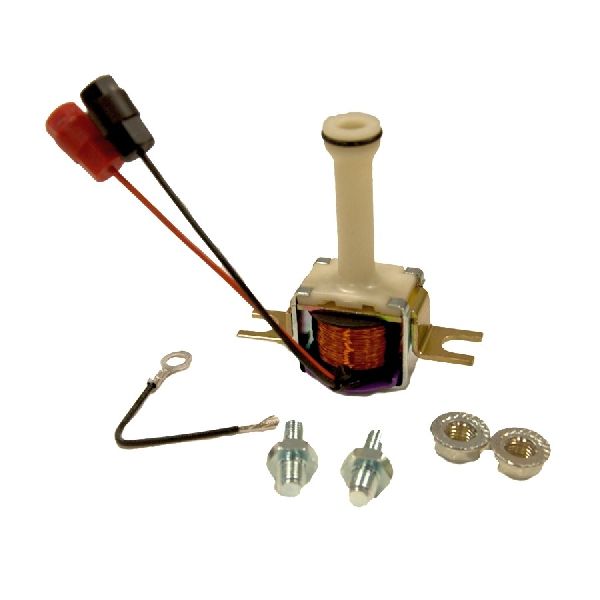
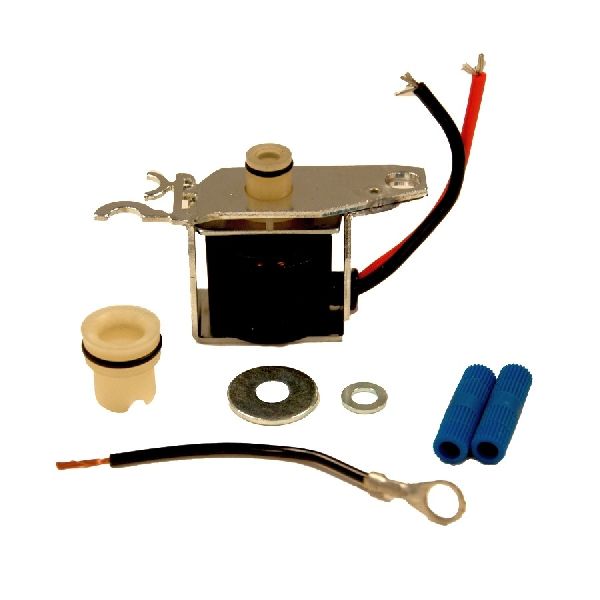
This is a 2-prong, electro-hydraulic solenoid located inside the transmission on the valve body. It controls the lock-up function for the torque converter clutch in Turbo Hydra-Matic transmissions like the THM200C and THM350C.
We Have This Part in Stock


The information in this article is provided for general reference and educational purposes only. Vehicle specifications, procedures, and part compatibility can vary by production date, trim level, and region. Always consult your vehicle's factory service manual and verify part numbers before purchasing or performing repairs. Safety-critical components such as airbags, seat belts, and braking systems should be installed by a qualified professional.