

1978-1982 Buick Century Suspension Stabilizer Bar Bushing Replacement Guide
Eliminate front-end clunks and restore handling by choosing the right stabilizer bar bushings for your Century.
- The most common symptom of failure is a clunking noise from the front end when going over bumps.
- This is a DIY-friendly repair; you can save over $100 in labor by doing it yourself.
- For a performance upgrade, choose polyurethane bushings; for an original-style quiet ride, choose rubber.
- Premium aftermarket brands like Moog and Delphi offer excellent durability for this 40+ year old vehicle.
Is Your Century Making Clunking Noises?
The most common sign of a bad stabilizer bar bushing is a clunking, rattling, or popping sound coming from the front of your car. You'll likely hear it most when driving over bumps, uneven roads, or when turning. This noise happens because the original rubber bushing has worn out, creating a gap that allows the metal stabilizer bar to move and hit against the vehicle's frame or other suspension parts. Other symptoms include a feeling of looseness in the steering, excessive body lean in corners, and generally poor handling.
Known Suspension Recall for 1978-1981 Models
While there are no specific recalls for the stabilizer bar bushings, a notable recall was issued for many 1978-1981 GM vehicles, including the Buick Century (NHTSA Campaign ID: 81V025000). This recall concerned bolts on the rear lower control arm that could fracture, potentially causing a loss of vehicle control. When inspecting your suspension, it's wise to check the condition of all suspension components, not just the part you are replacing.
Choosing the Right Aftermarket Bushings
For a vehicle from this era, new original equipment (OEM) parts are generally not available. Aftermarket parts are the practical and often superior choice, as modern materials can outperform the original 1970s rubber. The main choice you'll make is between standard rubber and performance polyurethane bushings.
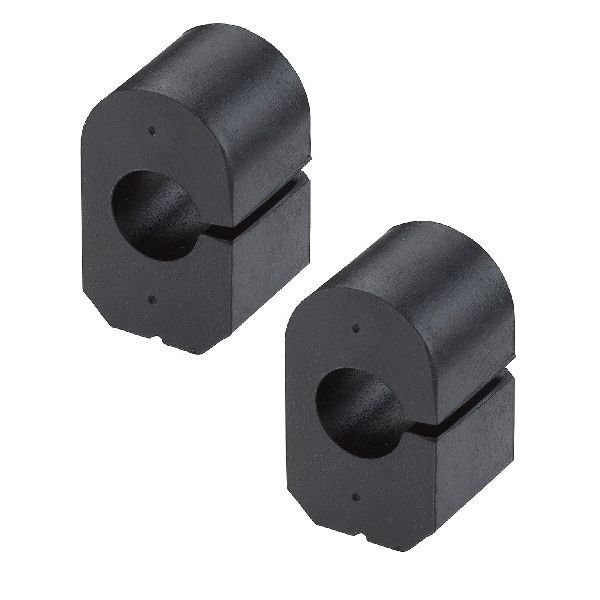
- Rubber Bushings: These offer a ride similar to the original factory feel. They are soft, quiet, and good at absorbing road vibrations. This is the best choice if you want to maintain the car's original quiet, comfortable ride.
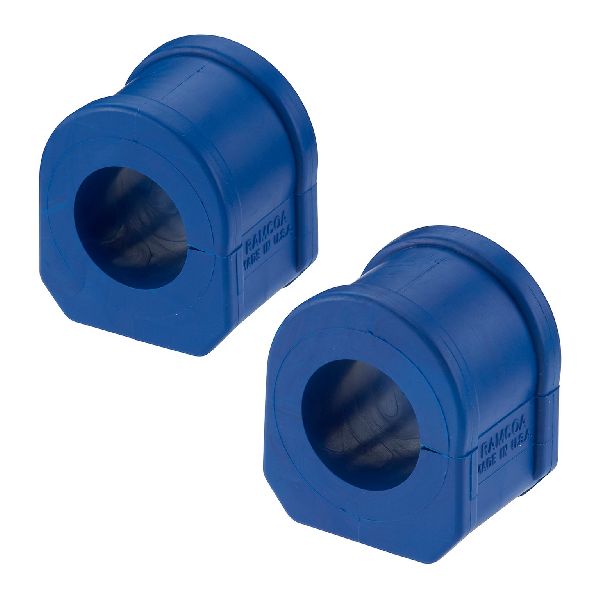
- Polyurethane Bushings: These are a popular upgrade. They are much stiffer and more durable than rubber. This stiffness improves handling by reducing body roll even further, making the car feel more responsive in turns. The downside is they can sometimes transmit more road noise and may squeak if not lubricated properly during installation.
Brand Tiers for Your Buick Century
Several brands offer kits for your vehicle. They generally fall into a few quality tiers:
- Premium Brands (Moog, Delphi): Moog is well-known for high-quality aftermarket parts that often include design improvements over the original. Delphi has a strong reputation as an original equipment manufacturer for many car brands, and their parts are known for reliable, OE-level performance. These brands are an excellent choice for durability and fit.
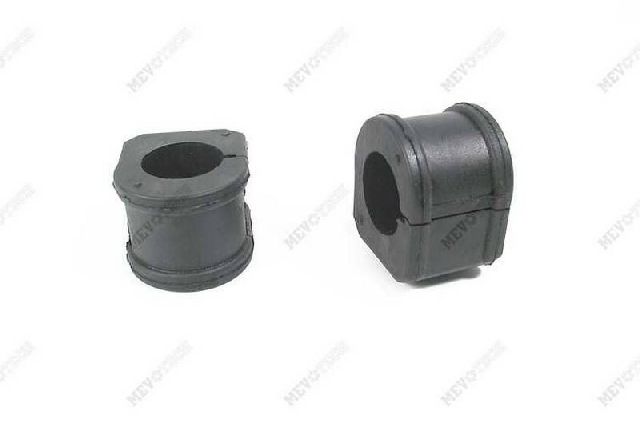
- Standard/Mid-Grade (Mevotech): Mevotech offers a good balance of quality and price. They are a solid choice for a daily driver, providing reliable performance without the premium price tag.
- Economy (Dorman, QuickSteer): These brands provide functional, cost-effective solutions. Dorman is known for making a huge variety of replacement parts and can be a good budget-friendly option. They are suitable for getting the job done, especially if cost is the primary concern.
Cost to Replace Stabilizer Bar Bushings (1978-1982 Buick Century)
| Item | Estimated Cost |
|---|---|
| New Aftermarket Bushing Kit | $6.60 - $26.88 |
| Shop Labor | $80 - $200 |
| Total (Professional Installation) | $87 - $227 |
| Total (DIY) | $6.60 - $26.88 |
Cost estimates are based on national averages and may vary by location and shop labor rates ($80-$200/hr).
Frequently Asked Questions
Can I replace the bushings myself?
Yes, this is a very DIY-friendly job for someone with basic tools. You will need a socket set, a pry bar, and a way to safely lift and support the front of the vehicle, like jack stands. The process involves unbolting the two brackets that hold the bushings, prying the old bushings off the bar, and installing the new ones.
Should I choose rubber or polyurethane bushings?
If you want the original quiet, comfortable ride, choose rubber. If you want improved handling, a more connected road feel, and a longer-lasting part, choose polyurethane. For sway bar bushings specifically, the potential for added noise from polyurethane is minimal, making it a worthwhile performance upgrade for many drivers.
Do I need to replace the sway bar links at the same time?
It's a good idea to inspect the sway bar links when you replace the bushings. The links connect the ends of the sway bar to the suspension and have their own bushings that can wear out. If they look cracked, loose, or damaged, you should replace them at the same time. Since you are already working in that area, it saves you from having to do a similar job twice.
Do I need to get a wheel alignment after replacing the bushings?
No, a wheel alignment is not typically necessary after replacing only the stabilizer bar bushings. These parts do not affect the vehicle's alignment angles like camber, caster, or toe.
Technical Specifications
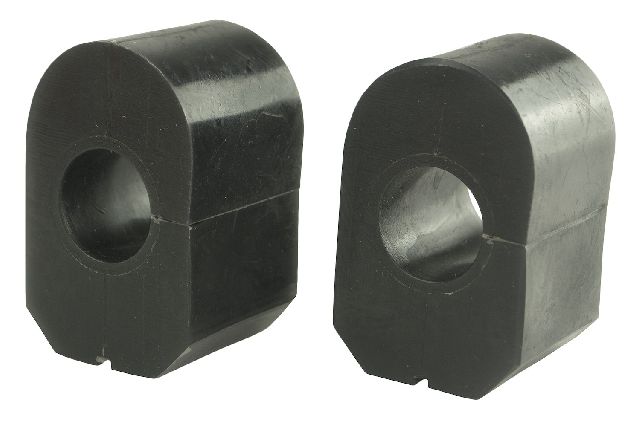
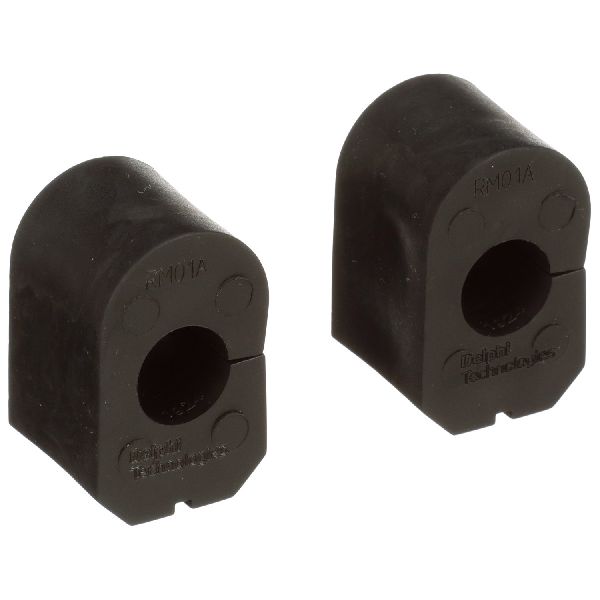
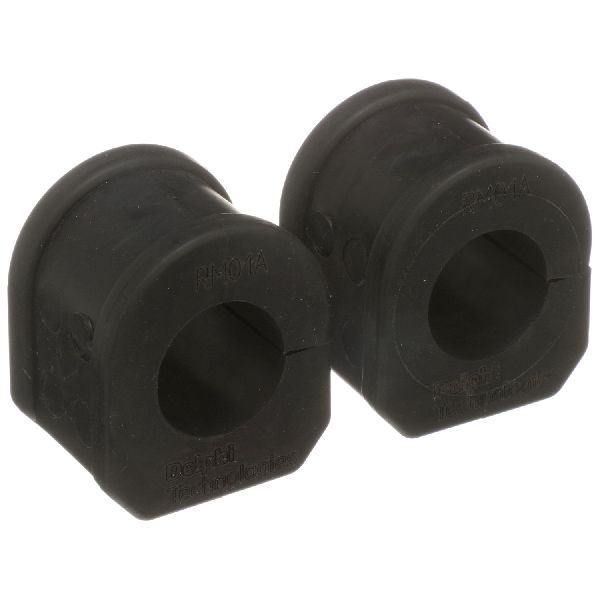
Bushings are specific to the diameter of your vehicle's stabilizer bar. Always verify the bar diameter before purchasing a kit, as different options may have been available from the factory.
We Have This Part in Stock

The information in this article is provided for general reference and educational purposes only. Vehicle specifications, procedures, and part compatibility can vary by production date, trim level, and region. Always consult your vehicle's factory service manual and verify part numbers before purchasing or performing repairs. Safety-critical components such as airbags, seat belts, and braking systems should be installed by a qualified professional.