

1978-1982 Ford Thunderbird Brake Master Cylinder Replacement and Info
If your Thunderbird's brake pedal feels spongy or sinks to the floor, your master cylinder is the likely culprit.
- A spongy or sinking pedal means you should stop driving the car immediately and inspect the brake system.
- When replacing the master cylinder, always inspect the brake booster for signs of fluid leaks; you may need to replace both.
- Always bench bleed a new master cylinder before installing it to ensure a firm pedal and proper brake function.
- For a critical safety part on a classic car, choosing a new, quality aftermarket part is a better investment than a remanufactured one.
Signs of a Failing Brake Master Cylinder
A bad master cylinder is a serious safety issue. The most common sign is a change in your brake pedal feel. It might feel soft, "spongy," or sink slowly toward the floor when you hold it down. You might also notice the brake warning light on your dashboard is on.
A common and serious problem on these Thunderbirds is for the master cylinder to leak brake fluid from its rear seal, directly into the brake booster it's bolted to. You may not see an external leak, but the fluid is still being lost. This fluid can destroy the diaphragm inside the booster, causing you to lose power assist and making the brake pedal extremely hard to press. If you hear a hissing sound when you press the brakes, your booster may already be damaged.
Choosing the Right Aftermarket Master Cylinder
Original Ford (OEM) new master cylinders for a car of this age are no longer produced. The market is made up of new aftermarket parts and remanufactured units. For a critical safety component like this, it is highly recommended to choose a new aftermarket part over a remanufactured one to ensure reliability.
Here is an honest breakdown of the available brands:
- Centric: Generally considered a high-quality aftermarket brand that produces parts matching original specifications. Forum users and mechanics often view Centric as a reliable choice for brake components. If you want a part that is well-regarded for quality and fitment, Centric is a solid option.
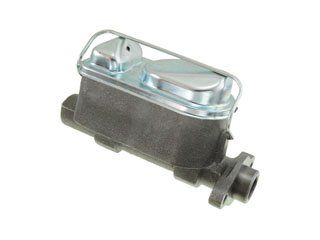
- Dorman: Dorman is one of the most widely available aftermarket brands. Their parts are typically designed as direct replacements. However, customer reviews are mixed; some users have no issues, while others have reported quality control problems. Dorman can be a suitable standard replacement, but inspect the part carefully before installation.
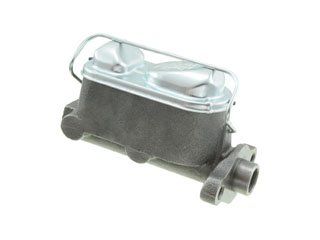
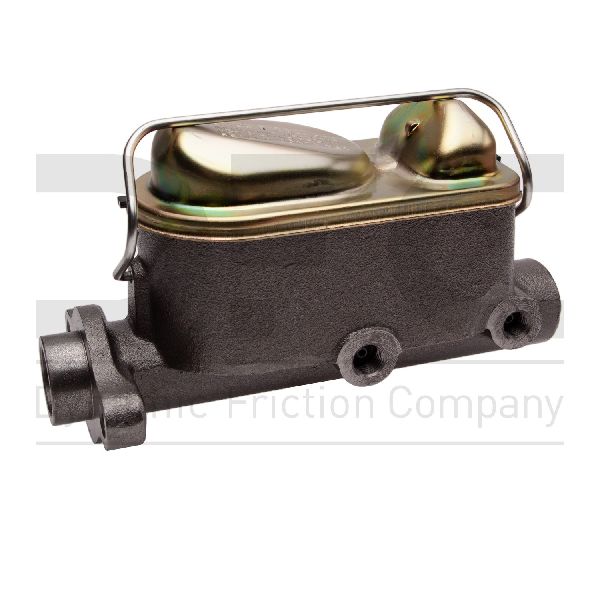
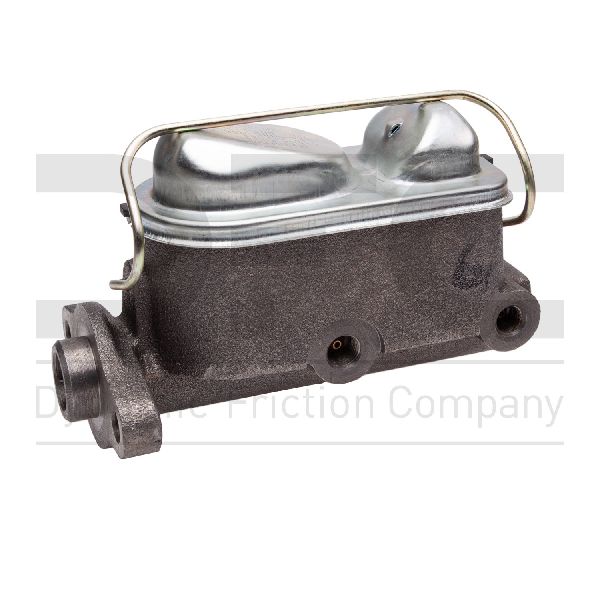
- Dynamic Friction (DFC): This brand offers a budget-friendly alternative. They state their parts are 100% pressure tested and meet OEM specifications. Some users consider them a step below premium brands but suitable for normal driving.
Typical Replacement Costs
The cost for a new aftermarket brake master cylinder for a 1978-1982 Thunderbird is very reasonable. The price you pay will depend on the brand and the retailer.
| Part Type | Estimated Cost |
|---|---|
| New Aftermarket Master Cylinder | $60 - $95 |
| Shop Labor | $150 - $250 |
Frequently Asked Questions (FAQ)
My master cylinder is leaking. Do I need to replace the brake booster too?
If you find brake fluid in the vacuum hose or between the master cylinder and the booster, you should replace the booster as well. Brake fluid is corrosive and will destroy the rubber diaphragm inside the booster, causing it to fail. Replacing both at the same time is a wise preventative measure.
Is replacing the master cylinder a DIY job?
Yes, for a mechanic with some experience, this is a manageable job. It requires careful removal of the brake lines (using a flare nut wrench is recommended), bench bleeding the new cylinder before installation, and then bleeding the entire brake system. The most difficult part can be accessing the nuts that hold the booster to the firewall from under the dashboard.
What does "bench bleeding" mean and is it necessary?
Bench bleeding is the process of removing air from the new master cylinder *before* you install it in the car. It involves mounting the cylinder in a vise, filling it with fluid, and using a tool to push the internal piston until no more air bubbles come out of the ports. This step is absolutely critical. Skipping it will make it nearly impossible to get all the air out of your brake system later.
What kind of brake fluid should I use?
Always check your vehicle's specifications, but these Thunderbirds typically use standard DOT 3 brake fluid. New master cylinders are designed to be compatible with it. Never use any other fluid, like power steering fluid or oil, in the brake system.
Technical Specifications
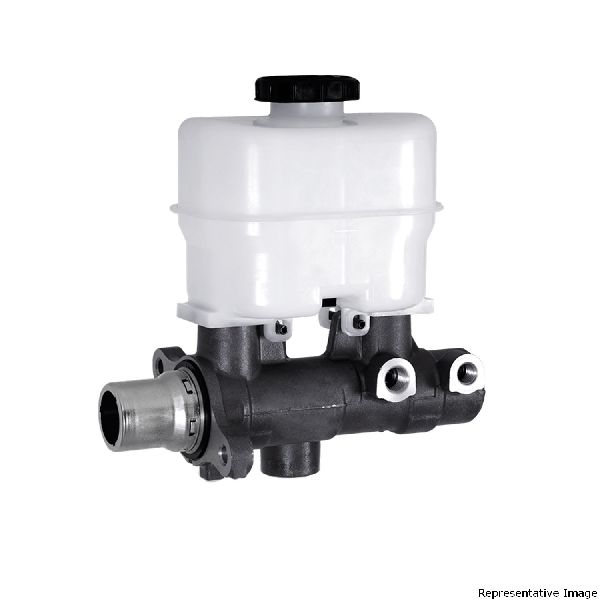
Dual-circuit hydraulic master cylinder, typically with a cast iron body. Designed for disc/drum or all-wheel disc brake systems without ABS.
We Have This Part in Stock

The information in this article is provided for general reference and educational purposes only. Vehicle specifications, procedures, and part compatibility can vary by production date, trim level, and region. Always consult your vehicle's factory service manual and verify part numbers before purchasing or performing repairs. Safety-critical components such as airbags, seat belts, and braking systems should be installed by a qualified professional.