

Ford Thunderbird Starter Solenoid Guide: 1978-1982
If your Thunderbird just clicks or won't crank, the starter solenoid is a likely and easy-to-fix problem.
- A single click with no crank is the most common sign of a bad solenoid on your Thunderbird.
- This is an easy and inexpensive DIY repair; the solenoid is located on the inner fender, not on the starter.
- Always disconnect the negative battery cable before starting work.
- A new aftermarket solenoid from a brand like Standard Ignition is the standard, reliable replacement part.
Symptoms of a Failing Starter Solenoid
A bad starter solenoid on your Thunderbird will prevent the engine from starting, but the signs can vary. Being able to spot them can save you from a misdiagnosis.
- Single Loud Click: The most common symptom is a single, sharp "click" sound from the engine bay when you turn the key, but the engine doesn't crank. This usually means the solenoid is receiving power from the ignition but is failing to send the high current to the starter motor.
- No Sound at All: You turn the key and nothing happens. The dashboard lights may come on, but there is no click and no cranking. This can indicate a complete failure of the solenoid or a problem in the low-current ignition circuit that activates it.
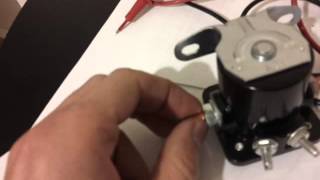
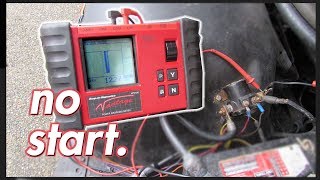
- Intermittent Starting: The car starts fine one day but refuses to crank the next. This suggests the internal contacts of the solenoid are worn and only making a connection sometimes. Wiggling the solenoid or its wires might temporarily solve the problem, pointing directly to the solenoid as the culprit. 🎬 Watch: How to diagnose and test your Ford solenoid.
- Starter Remains Engaged: In rare cases, the solenoid's internal switch can get stuck in the 'on' position. This will cause the starter motor to continue running even after the engine has started and you've released the key, which can cause serious damage to the starter.
Is It the Solenoid or the Battery?
Rapid, repeated clicking sounds often point to a weak or dead battery, not a bad solenoid. Always ensure your battery is fully charged and the terminals are clean and tight before replacing the solenoid.
Choosing the Right Aftermarket Solenoid
For a vehicle like the 1978-1982 Thunderbird, finding a new original equipment (OEM) Ford starter solenoid is nearly impossible. The standard repair is to use a new aftermarket part. Fortunately, this is a simple component that aftermarket brands have been producing for decades.
Standard Ignition is a widely available brand for this part. Their solenoids are built to meet or exceed original specifications, often featuring heavy-duty copper contacts and more copper windings to create a strong magnetic field for reliable starting. While some long-time mechanics feel modern replacements don't have the same lifespan as the original 1970s parts, a new Standard Ignition solenoid is a reliable and cost-effective choice that is expected to perform well for years.
Typical Replacement Costs
Replacing the starter solenoid on this Thunderbird is one of the more affordable repairs you can make. The part itself is inexpensive, and its location on the fender makes for a quick job.
| Part Type | Part Cost | Estimated Labor Cost | Total Estimated Cost |
|---|---|---|---|
| New Aftermarket (Standard Ignition) | $58.17 | $50 - $75 | $108 - $133 |
| New OEM | Not Available | - | - |
Pro Tip: Because the solenoid is a junction point for several important wires, take a picture with your phone before disconnecting anything. This will make sure you put all the wires back on the correct terminals of the new part.
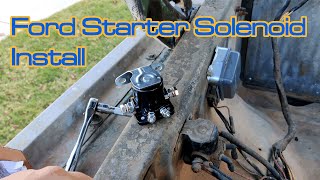
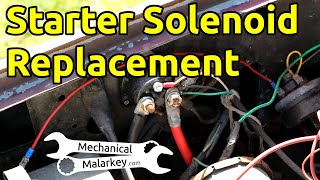
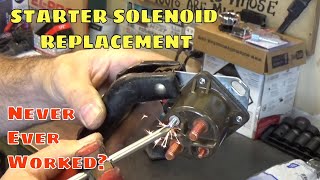
🎬 See this easy walkthrough for replacing the solenoid.Frequently Asked Questions
Where is the starter solenoid located on a 1978-1982 Thunderbird?
The starter solenoid is not on the starter motor itself. It is located in the engine bay, mounted to the inner fender wall, usually on the passenger side. It's a small box-like component with two large posts and one or two smaller ones for wires.
Is a starter relay the same as a starter solenoid?
For this generation of Ford, the terms are often used interchangeably. The fender-mounted part is technically a relay, but it is commonly sold and referred to as the starter solenoid. It performs the same function of using a small current to switch a large one.
Can I replace the starter solenoid myself?
Yes, this is a very DIY-friendly job. The solenoid is easy to access on the fender and is typically held on by two small bolts. The only tools needed are basic wrenches. 🎬 Watch: A step-by-step guide to replacing a starter solenoid. The entire process usually takes less than 30 minutes. Just be sure to disconnect the negative battery terminal before you begin to avoid short circuits.
What does a single click when I turn the key mean?
A single, solid click is the classic sign of a bad starter solenoid. It means the solenoid is getting the signal from your key but is failing to make the internal connection needed to send power to the starter motor.
Helpful Videos

Technical Specifications
OEM Part Numbers: 2C11450A 3225624
Voltage: 12V, Terminal Quantity: 4, Continuous Duty: No, Amperage Rating: 250A
We Have This Part in Stock


The information in this article is provided for general reference and educational purposes only. Vehicle specifications, procedures, and part compatibility can vary by production date, trim level, and region. Always consult your vehicle's factory service manual and verify part numbers before purchasing or performing repairs. Safety-critical components such as airbags, seat belts, and braking systems should be installed by a qualified professional.