

Suspension Stabilizer Bar Bushing Replacement for 1978-1982 Oldsmobile Cutlass
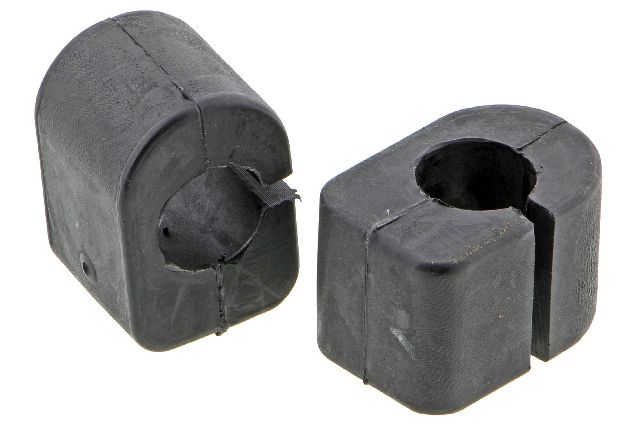
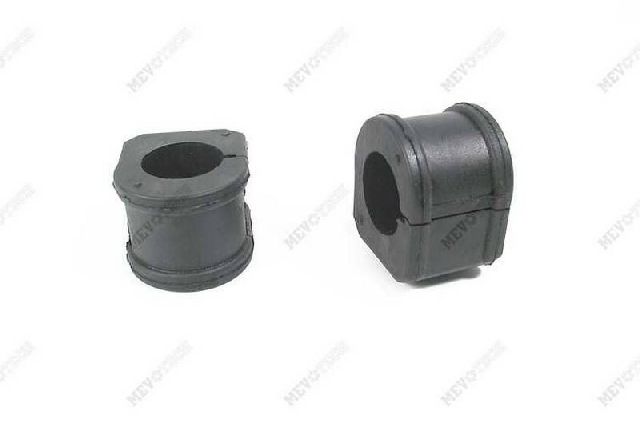
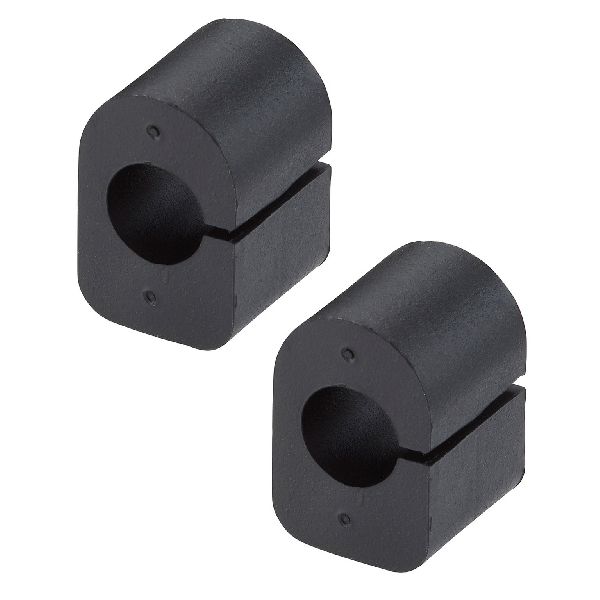
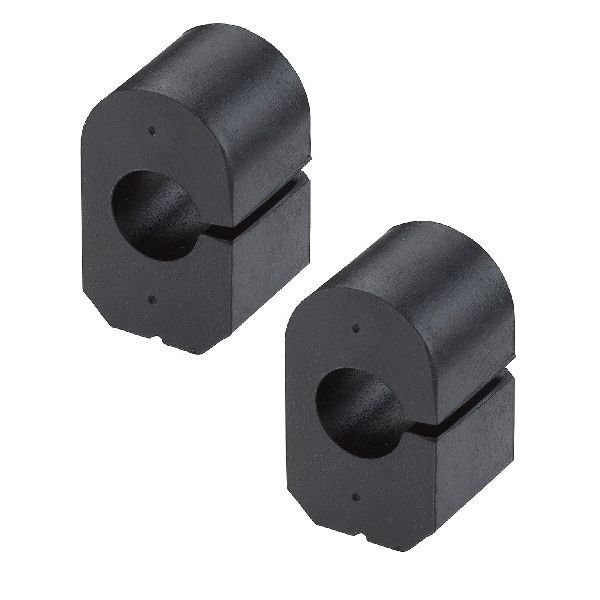
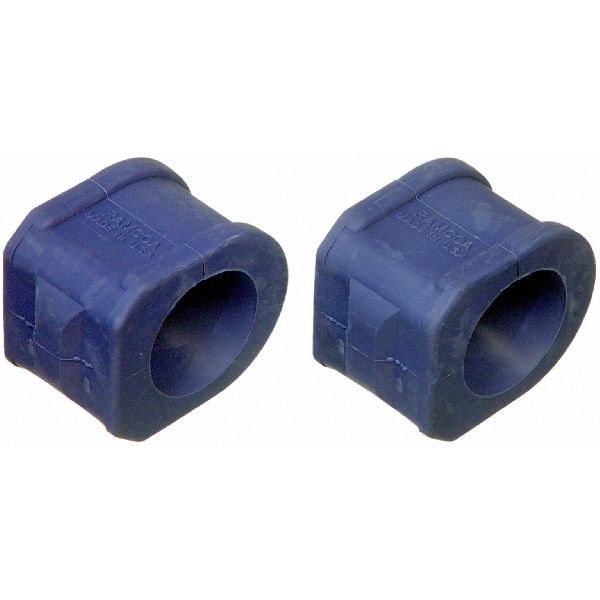
Eliminate front-end clunks and tighten up the handling on your G-Body Cutlass by replacing worn stabilizer bar bushings.
- You must measure your stabilizer bar's diameter before ordering to ensure you get the correct size bushing.
- Worn bushings are a very common cause of clunking noises from the front suspension on a G-Body Cutlass.
- Choose rubber bushings for a quiet, factory-like ride or polyurethane for improved handling and durability.
- It is highly recommended to replace the sway bar end links at the same time as the frame bushings for a complete repair.
Is Your Cutlass Making Noise Over Bumps?
If you hear a clunking or rattling sound from the front of your 1978-1982 Cutlass, especially when driving over bumps or uneven roads, there's a good chance your stabilizer bar bushings are worn out. These rubber parts dry out, crack, and shrink over time, allowing the heavy steel stabilizer bar to move and knock against the frame. Other signs include a loose or less responsive steering feel and increased body lean in turns. A visual inspection can often confirm the problem; look for cracked, flattened, or missing pieces of rubber where the stabilizer bar is mounted to the frame under the engine.
Choosing the Right Aftermarket Bushing Kit
Since Original Equipment Manufacturer (OEM) parts for this generation of Cutlass are generally no longer available from dealers, the aftermarket is your go-to source. You have a few key choices to make.
Material: Rubber vs. Polyurethane
Your main decision is between standard rubber and firmer polyurethane bushings.
- Rubber Bushings: These provide a ride quality similar to the original factory feel. They are excellent at absorbing vibrations and are generally quieter than polyurethane. If you want to maintain the classic, smooth ride of your Cutlass, rubber is the right choice.
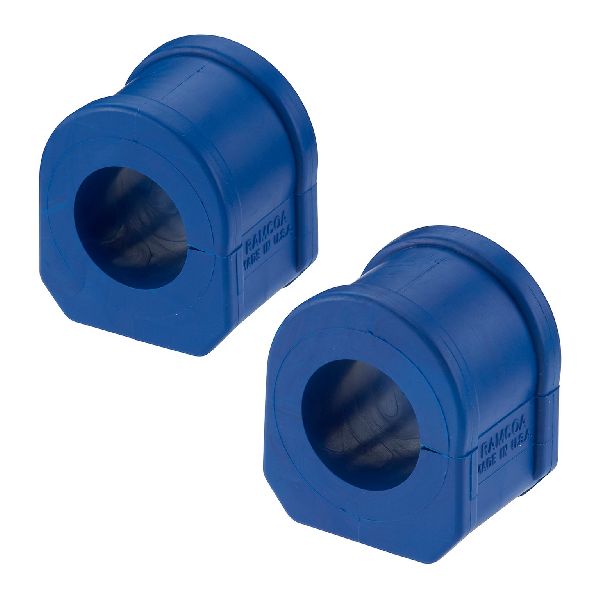
- Polyurethane Bushings: This is a performance upgrade. Polyurethane is a much stiffer and more durable material. It reduces deflection and holds the sway bar more securely, resulting in quicker steering response and less body roll. The trade-off can be a slightly firmer ride and the potential for squeaking if not lubricated properly during installation with silicone-based grease.
Pro Tip: Measure Before You Order!
The single most important step is to measure the diameter of your stabilizer bar before buying new bushings. The 1978-1982 Cutlass was available with different suspension packages, and bar diameters can vary. Common sizes range from around 1 inch to 1.25 inches. Ordering the wrong size will result in a poor fit and continued noise. Use a caliper or an adjustable wrench to get an accurate measurement.
Aftermarket Brand Quality
For your G-Body Cutlass, several brands offer kits. Here’s an honest breakdown based on owner feedback and general reputation:
- Moog: Historically a top choice, Moog's "Problem Solver" line is well-regarded. However, some users feel their quality has become less consistent in recent years. They often offer both rubber and polyurethane options.
- Delphi: As a major OEM supplier for GM, Delphi parts are generally considered to be of reliable, stock-replacement quality. They are a safe bet for restoring original performance.
- Mevotech: Mevotech offers multiple tiers, with their "Supreme" and "TTX" lines being higher quality options that often compete with Moog. They are a solid choice and sometimes offer design improvements over the original.
- Dorman: Often seen as a budget-friendly option, Dorman provides a wide range of replacement parts. While some of their products are considered standard quality, they can be a viable choice for a daily driver.
- QuickSteer: This is typically a value-oriented brand, offering basic replacements that meet minimum requirements.
Common Ordering Mistake
Many owners order bushings based only on their car's year and model, assuming a standard size. This often leads to receiving parts that are too large or too small for their specific sway bar. Always confirm your bar's diameter before purchasing.
Cost of Aftermarket Stabilizer Bar Bushing Kits
| Part Type | Estimated Cost |
|---|---|
| New Aftermarket Bushing Kit (Rubber or Poly) | $6.60 - $26.88 |
| Shop Labor for Installation | $90 - $180 |
Frequently Asked Questions
Should I replace the sway bar end links at the same time?
Yes, it is highly recommended. The end links connect the ends of the stabilizer bar to the lower control arms and have their own bushings that wear out. Replacing the frame bushings and the end links together ensures a complete and quiet repair.
Is this a difficult job to do myself?
No, this is a great DIY project for a beginner. It requires basic hand tools, a jack, and jack stands. The process involves unbolting the two brackets that hold the bar to the frame, swapping the bushings, and bolting everything back together.
Do I need to use grease on the new bushings?
Yes, especially with polyurethane bushings. Use a silicone-based, waterproof grease on the inside surface of the new bushings. This allows the bar to rotate smoothly without squeaking and protects the bushing material. Petroleum-based grease can damage rubber bushings.
Are there any recalls for the 1978-1982 Cutlass suspension?
Searches of the NHTSA database show recalls for this generation, including one for rear control arms on some 1981 models and front wheel bearings on 1979 models, but none specifically for the front stabilizer bar or its bushings. No relevant Technical Service Bulletins (TSBs) were found for this specific part and year range.
Technical Specifications
Fitment is determined by the stabilizer bar diameter. Common aftermarket sizes for the 1978-1982 Oldsmobile Cutlass include 24mm (0.94"), 25.5mm (1"), and 30.5mm (1.20"). Bushings are available in rubber or polyurethane compounds.
We Have This Part in Stock

The information in this article is provided for general reference and educational purposes only. Vehicle specifications, procedures, and part compatibility can vary by production date, trim level, and region. Always consult your vehicle's factory service manual and verify part numbers before purchasing or performing repairs. Safety-critical components such as airbags, seat belts, and braking systems should be installed by a qualified professional.
- 🛍️ Shop This Part
- Is Your Cutlass Making Noise Over Bumps?
- Choosing the Right Aftermarket Bushing Kit
- Material: Rubber vs. Polyurethane
- Pro Tip: Measure Before You Order!
- Aftermarket Brand Quality
- Common Ordering Mistake
- Cost of Aftermarket Stabilizer Bar Bushing Kits
- Frequently Asked Questions
- 🎟️ Get 5% Off