

A Practical Guide to Replacing Disc Brake Calipers on Your 1978-1982 Pontiac Firebird
Keep your classic Firebird stopping safely and reliably by choosing the right brake calipers.
- Confirm if your Firebird has rear drum brakes or the rarer 4-wheel disc brakes before ordering parts.
- Always replace brake calipers in pairs (both front or both rear) to ensure even braking.
- Plan on replacing your old rubber brake hoses at the same time to prevent future issues with sticking.
- After installation, you must bleed the brake system with fresh DOT 3 or DOT 4 fluid to remove all air.
Is Your Firebird Telling You It Needs New Calipers?
A 40-year-old caliper has seen a lot of heat and moisture. Rust and corrosion are their biggest enemies. A failing caliper isn't just an inconvenience; it's a major safety risk. Pay attention to these warning signs.
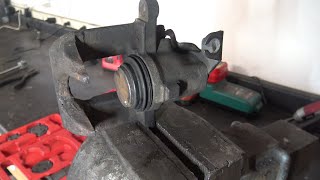
🎬 Watch: How to tell if your caliper is bad- Pulling to One Side: When you hit the brakes, does the car veer left or right? This often points to a seized caliper on one side that's either not applying pressure or is stuck on.
- Spongy or Soft Brake Pedal: If the pedal feels mushy or goes closer to the floor than it used to, it could be a sign of a fluid leak from a failing caliper seal.
- Brake Fluid Leaks: Notice a puddle of clear or brownish fluid near your wheel? This is a serious sign of a hydraulic leak that needs immediate attention.
- Dragging Sensation or Burning Smell: A caliper that doesn't release properly will cause the brake pads to constantly drag on the rotor. This creates a dragging feeling, poor fuel economy, and a distinct burning smell from the excessive heat. You might also notice one wheel is significantly hotter than the others after a drive.
- Uneven Brake Pad Wear: When you inspect your brake pads, if one pad on the same wheel is worn down much more than the other, it's a classic symptom of a sticking caliper piston or seized slide pins.
Check Before You Buy: Front Disc/Rear Drum or 4-Wheel Disc?
This is the most common ordering mistake. Before adding anything to your cart, verify what braking system your Firebird has. Most had front disc brakes and rear drum brakes. However, the WS6 Special Performance Package, offered from 1979 onwards, included a 4-wheel disc brake setup. The 1978 WS6 package still used rear drums. Look at your rear wheels; if you see a flat, round drum, you only need front calipers. If you see a caliper and rotor, you have 4-wheel discs.
Choosing the Right Aftermarket Caliper for Your Firebird
For a classic car like the 1978-1982 Firebird, "New Old Stock" (NOS) OEM calipers are practically non-existent. The aftermarket is your primary source, which consists of new and remanufactured units. Remanufactured calipers are original cores that have been cleaned, inspected, and rebuilt with new seals, boots, and pistons as needed. They are a cost-effective and reliable option.
Brand Tiers
- Daily Driver / Standard Replacement (Good): Brands like Cardone, BBB Industries, and other store-brands offer remanufactured calipers at a very attractive price. While they are functional, quality can sometimes be inconsistent, with forum users occasionally reporting cosmetic issues or needing to swap hardware. They are a budget-friendly choice for a standard restoration or daily driver.
- OEM-Quality Replacement (Better): Centric and Raybestos are widely regarded in forums as providing a higher-quality, more consistent product. They often feature better finishes and more thorough quality control. ACDelco also falls in this category, though for a vehicle this age, their parts are often re-boxed components from other quality manufacturers. These are an excellent choice for a reliable, long-lasting repair.
- Performance / Aesthetic Upgrade (Best): Powerstop offers calipers that are typically powder-coated (often in red) and sold as performance upgrades. While they may not provide a massive performance jump on a stock Firebird, they offer a custom look and are built to high standards. Be aware that some users have noted the powder coating can discolor under extreme (track) heat.
Known Issues for This Generation
A recall was issued by GM (NHTSA Campaign ID 91V055000) for the parking brake on models equipped with rear disc brakes. The adjuster mechanism within the caliper could fail to compensate for pad wear, potentially allowing a parked car to roll away. When replacing rear calipers, ensure the parking brake mechanism is functioning correctly.
Pro Tip: Replace in Pairs
Brake calipers should always be replaced in pairs (both front calipers or both rear calipers). Replacing only one can lead to uneven braking, pulling, and unpredictable performance. It ensures that both sides of the axle have identical clamping force and response.
Estimated Costs for Brake Caliper Replacement
| Part Type | Estimated Cost |
|---|---|
| New Aftermarket Caliper (per side) | $33 - $186 |
| Remanufactured Caliper (per side) | $35 - $120 (often includes a 'core charge') |
| Shop Labor (per pair) | $200 - $350 |
Frequently Asked Questions
What is a 'core charge'?
Many remanufactured calipers have a core charge. This is a deposit you pay when you buy the part. You get the deposit back when you return your old, worn-out caliper. This ensures a steady supply of old parts (cores) for the remanufacturers to rebuild.
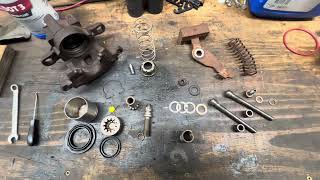
Should I rebuild my original calipers? 🎬 See this walkthrough on rebuilding rear disc brake calipers
While rebuilding kits are available, it can be a messy and time-consuming job. For a car this age, the piston or caliper bore is often pitted with rust, making a simple seal replacement ineffective. Given the low cost of high-quality remanufactured calipers, replacement is often the faster and more reliable option for most owners.
Do I need new brake hoses?
It is highly recommended. The original rubber brake hoses on your Firebird are over 40 years old. They can degrade from the inside, swell, and act like a one-way valve, keeping a caliper from releasing properly. Replacing them when you replace your calipers is cheap insurance against brake drag.
What kind of brake fluid should I use?
Your Firebird originally used DOT 3 brake fluid. You can continue to use DOT 3 or upgrade to DOT 4, which has a higher boiling point. Never use DOT 5, as it is silicone-based and not compatible with your system. Always use fresh fluid from a sealed container and bleed the entire system after replacing calipers.
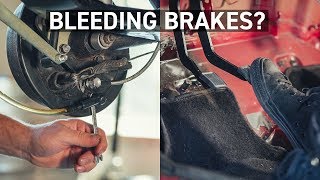
🎬 Watch: How to bleed brakes using the easy two-person methodHelpful Videos
Technical Specifications
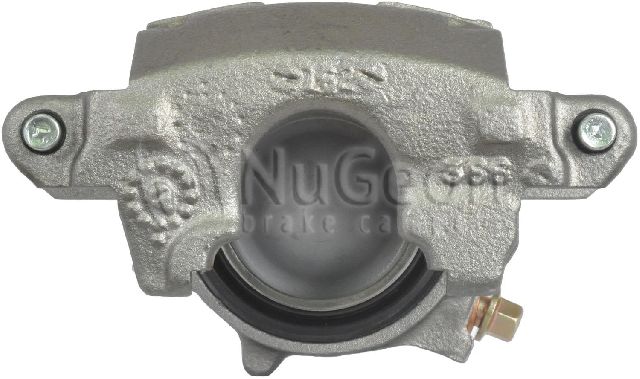
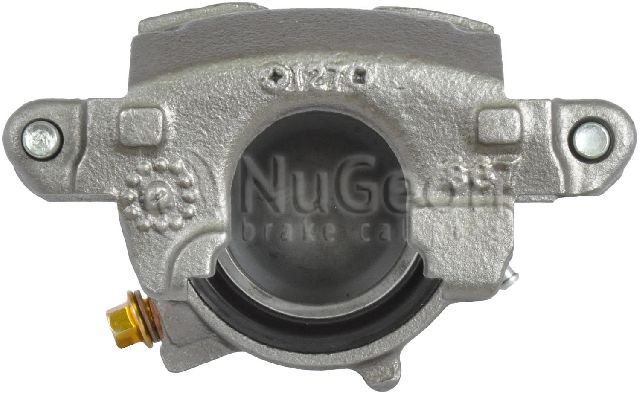
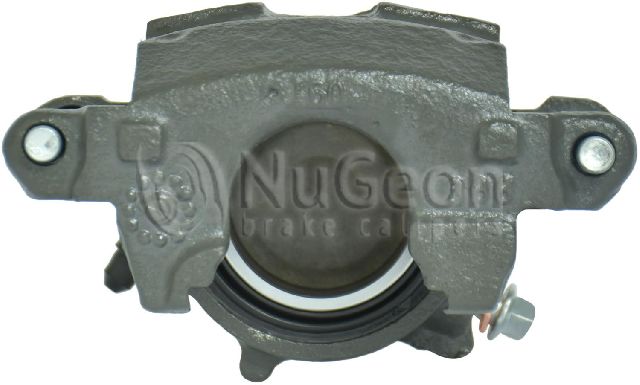
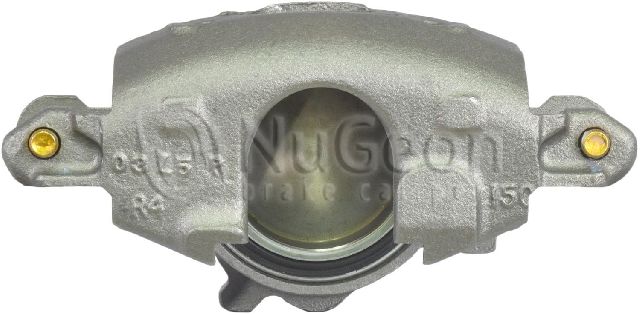
The 1978-1982 Firebird uses single-piston floating calipers. The key specification difference is whether the caliper is for the standard front-disc/rear-drum system or the optional 4-wheel-disc system, which requires different rear calipers, some with an integrated parking brake mechanism.
We Have This Part in Stock



The information in this article is provided for general reference and educational purposes only. Vehicle specifications, procedures, and part compatibility can vary by production date, trim level, and region. Always consult your vehicle's factory service manual and verify part numbers before purchasing or performing repairs. Safety-critical components such as airbags, seat belts, and braking systems should be installed by a qualified professional.
- 🎬 Helpful Videos
- 🛍️ Shop This Part
- Is Your Firebird Telling You It Needs New Calipers?
- Check Before You Buy: Front Disc/Rear Drum or 4-Wheel Disc?
- Choosing the Right Aftermarket Caliper for Your Firebird
- Brand Tiers
- Known Issues for This Generation
- Pro Tip: Replace in Pairs
- Estimated Costs for Brake Caliper Replacement
- Frequently Asked Questions
- 🎟️ Get 5% Off