

Choosing the Right Engine Intake Manifold Gasket for Your 1978-1983 Buick LeSabre
A leaking intake gasket can cause serious engine problems; here’s how to pick the right replacement for your classic LeSabre.
- You MUST correctly identify your LeSabre's engine (3.8L V6, 350 V8, 307 V8, etc.) before ordering a gasket set.
- Symptoms include overheating, coolant leaks, milky oil, rough running, and hissing sounds from the engine.
- For V8 models, using RTV sealant on the block end rails instead of the supplied rubber seals is a common and effective practice.
- If your oil looks milky, do not drive the vehicle. Driving with coolant in the oil can quickly destroy the engine.
Is Your LeSabre's Intake Gasket Failing?
A bad intake manifold gasket can cause problems that seem minor at first but can lead to serious engine damage if ignored. Because these gaskets seal both air and coolant, a leak can show up in several ways. Be on the lookout for these common symptoms.
- Engine Overheating: A coolant leak from the gasket can lower your coolant level, causing the engine to run hot.
- Coolant Leaks: You might see puddles of green or orange coolant under your car or notice a sweet smell after driving. The leak is often visible where the intake manifold meets the cylinder heads.
- Milky Engine Oil: If the gasket fails internally, coolant can mix with your engine oil. Pull the oil dipstick; if the oil looks like a chocolate milkshake or has a foamy, light-brown appearance, you have a serious internal leak and should not drive the car.
- Rough Idle and Poor Performance: A vacuum leak from a bad gasket throws off the air-fuel mixture, leading to a shaky idle, hesitation when you accelerate, and a general loss of power.
- Hissing Sounds: You may hear a distinct sucking or hissing noise coming from the top of the engine, especially when it's running. This is often the sound of a vacuum leak.
First Step: Identify Your Engine!
The single most important step before buying a gasket set is to know which engine is in your LeSabre. From 1978 to 1983, Buick used several different engines, including a 3.8L V6 and various V8s like the Buick 350, Oldsmobile 307, or Pontiac 301. Each engine requires a specific gasket set. Check the emissions label under the hood or the engine block casting numbers to confirm your engine type.
Choosing the Right Aftermarket Gasket Set
For a vehicle of this age, a quality aftermarket gasket can be as good or even better than the original part. Brands often improve on the original designs. Here’s a breakdown of available brands to help you choose.
Brand Quality Tiers
- Premium Performance (e.g., Cometic): Cometic is known for high-performance, multi-layer steel (MLS) gaskets. These are top-of-the-line and offer superior durability, but they are often overkill for a stock, daily-driven engine. If you have a high-compression or heavily modified engine, this is the best choice.
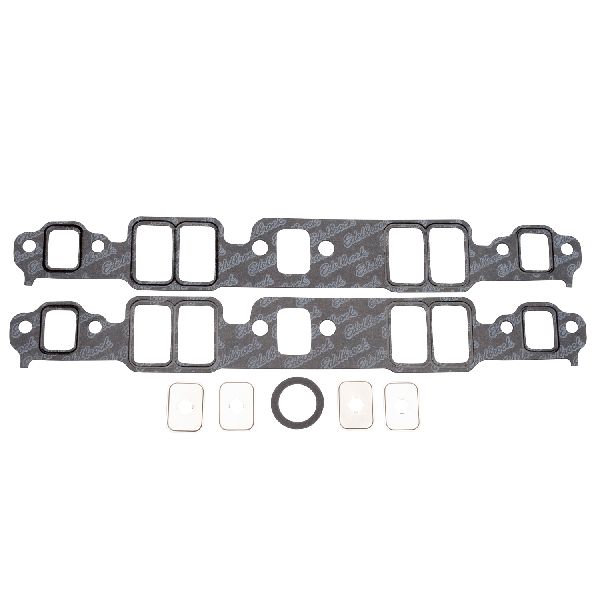
- Quality Aftermarket (e.g., Victor Gaskets, Edelbrock): Victor Gaskets (also known as Victor Reinz) is a well-regarded brand that often manufactures parts for original equipment suppliers. They are a reliable choice for a standard engine rebuild. Edelbrock gaskets are also a solid option, especially if you are using one of their aftermarket intake manifolds.
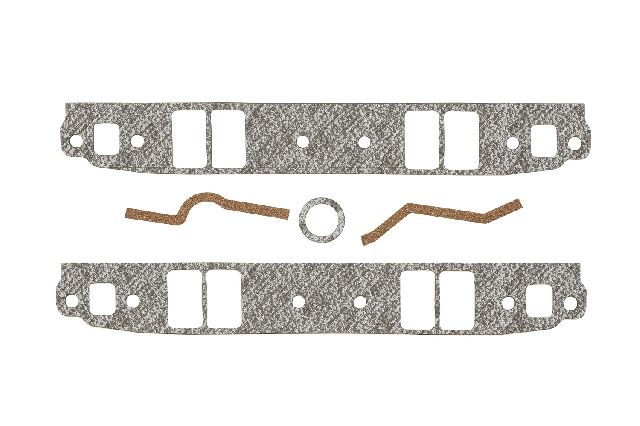
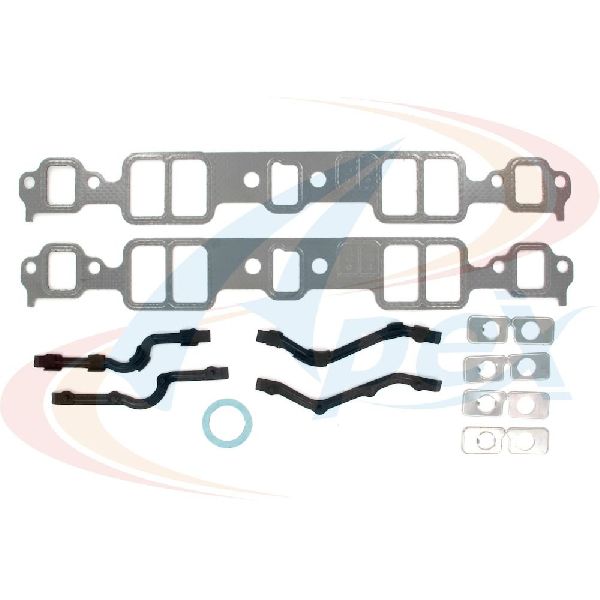
- Standard & Value (e.g., Mr. Gasket, Apex): Mr. Gasket is a classic brand in the aftermarket world. While some builders have good experiences, others have reported issues, so quality can be inconsistent. There is less owner feedback available for the Apex brand. These can be a good value option, but careful installation is key.
Pro Tip for V8 Engines
Many experienced mechanics throw away the rubber or cork end seals that come in V8 gasket kits for sealing the front and back of the engine block. Instead, they apply a thick, 1/4-inch bead of high-quality RTV silicone sealant. This method often provides a more reliable, leak-free seal on older engines.
Aftermarket Engine Intake Manifold Gasket Set Costs
| Part Type | Price Range |
|---|---|
| New Aftermarket Gasket Set | $17.44 - $72.59 |
| Shop Labor | $350 - $600 |
(Pricing is an estimate and may vary by engine type, location, and supplier.)
Frequently Asked Questions
Do I need to replace anything else at the same time?
While you have the intake manifold off, it's a great time to replace the thermostat and consider replacing old vacuum lines and coolant hoses that are hard to reach. It's also wise to change the engine oil and filter after the job is done to remove any coolant that may have contaminated the oil.
What's the most common mistake when replacing this gasket?
The most common mistake is improper surface preparation. Both the cylinder head and intake manifold surfaces must be perfectly clean and free of old gasket material, oil, and dirt. Use a plastic scraper or razor blade carefully to avoid gouging the aluminum or iron surfaces.
Can I reuse my old intake manifold bolts?
It is generally recommended to use new bolts, especially if the old ones are torque-to-yield (TTY) bolts, which are designed to stretch and should not be reused. For these older engines, if the original bolts are in good condition and not TTY, they can sometimes be reused, but check a service manual for your specific engine. Cleaning the threads thoroughly is essential.
Are there any recalls for this part on my LeSabre?
No, there are no specific recalls or technical service bulletins (TSBs) from the NHTSA for intake manifold gasket failures on the 1978-1983 Buick LeSabre. Any issues are typically due to age and normal wear of the gasket materials.
Technical Specifications
Gasket materials vary by brand and engine application. Common materials include paper, cork-rubber composites, and steel-core composites. Some performance gaskets are multi-layer steel (MLS).
We Have This Part in Stock


The information in this article is provided for general reference and educational purposes only. Vehicle specifications, procedures, and part compatibility can vary by production date, trim level, and region. Always consult your vehicle's factory service manual and verify part numbers before purchasing or performing repairs. Safety-critical components such as airbags, seat belts, and braking systems should be installed by a qualified professional.