

A Comprehensive Guide to the 1978-1983 Buick Regal Radiator
Keep your classic Regal's engine cool and running strong by understanding its radiator.
- The most common radiator problems are age-related leaks from cracked plastic tanks and internal corrosion.
- Upgrading to an all-aluminum radiator from a brand like Frostbite or Champion is a popular and effective modification for improved cooling.
- Always measure your core width before ordering a replacement to ensure correct fitment for your G-Body Regal.
- When replacing the radiator, it is best practice to also replace the radiator hoses and cap.
Is Your Regal's Radiator Failing?
A bad radiator can lead to serious engine damage if ignored. For a classic car like the 1978-1983 Buick Regal, it's important to spot the warning signs early. These cars are more prone to radiator issues compared to modern vehicles. Look for these common symptoms:
- Engine Overheating: The most obvious sign. If your temperature gauge is creeping into the red, your radiator isn't doing its job.
- Coolant Leaks: Finding puddles of green, yellow, or red fluid under the front of your car is a clear sign of a leak. The plastic tanks on original-style radiators can become brittle and crack over time.
- Sludge or Rusty Coolant: Your coolant should be brightly colored. If you look in the overflow tank and see a rusty, oily, or sludgy mess, it indicates internal corrosion in the radiator.
- Low Coolant Levels: If you have to add coolant frequently but don't see a visible leak, the radiator could have a small crack or internal issue.
- Heater Not Working: The car's interior heater uses hot coolant to warm the cabin. If the radiator is clogged or leaking, you might not get warm air from your vents.
Choosing the Right Aftermarket Radiator
Finding an original OEM radiator for a classic G-Body Regal is nearly impossible. The good news is that the aftermarket offers a wide range of options, from budget-friendly replacements to high-performance upgrades. Aftermarket radiators often use modern materials like aluminum, which can be lighter and more efficient than the original copper/brass units.
Brand Tiers for Your Consideration
| Tier | Brands | Description |
|---|---|---|
| Economy | APDI, Onix, One Stop Solutions, Global Parts | These brands offer direct-fit replacement radiators at a low price point. They are a good choice for a stock vehicle under normal driving conditions. Quality can be inconsistent, and they may use plastic tanks similar to the original design. |
| Standard / OEM-Quality | Spectra, ACDelco | Spectra is a very common and generally reliable choice for OEM-style replacements. They are known for providing factory-equivalent performance at a good price. ACDelco is GM's official parts brand, offering parts that meet original specifications. |
| Performance / Heavy-Duty | Frostbite, Mishimoto | These brands specialize in all-aluminum radiators that offer superior cooling, which is ideal for modified engines or use in hot climates. Brands like Frostbite offer radiators with multiple rows (2, 3, or 4-row) for increased cooling capacity. While Mishimoto is a popular performance brand, some users in forums have reported mixed long-term reliability. |
Pro Tip: Check Your Core Width
The 1978-1983 Buick Regal, as part of the GM G-Body family, came with different radiator core widths (e.g., 26-1/4"). Always measure your original radiator or check your vehicle's specifications before ordering to ensure a perfect drop-in fit.
Known Issues, Recalls, and Service Bulletins
Searches of the National Highway Traffic Safety Administration (NHTSA) database did not reveal any specific radiator-related recalls for the 1978-1983 Buick Regal. Recalls found for "Buick Regal" are typically for much newer model years and unrelated issues. The most common issues for these classic cars are age-related failures like cracked plastic tanks and corrosion leading to leaks.
Frequently Asked Questions
Can I install a new radiator myself?
Yes, for someone with basic mechanical skills, replacing the radiator on a 1978-1983 Regal is a manageable DIY job. The process involves draining the coolant, disconnecting hoses and transmission lines, unbolting the old radiator, and installing the new one in the reverse order. However, if you are not comfortable working with automotive fluids or don't have the right tools, professional installation is recommended.
Should I upgrade to an aluminum radiator?
Upgrading to an all-aluminum radiator from a brand like Frostbite can be a great investment. They are lighter, more durable, and significantly more efficient at cooling than the original copper/brass units. This is especially beneficial if you have a higher-horsepower engine, live in a hot climate, or simply want peace of mind.
What's the difference between a 2-row, 3-row, and 4-row radiator?
The number of rows refers to the number of tubes the coolant flows through within the radiator's core. More rows mean a larger surface area for cooling. A 2-row radiator is sufficient for a stock engine, while 3-row or 4-row radiators provide heavy-duty cooling for high-performance applications with 500-1000 horsepower.
Do I need to replace my radiator cap and hoses?
Yes, it is highly recommended. Hoses can become brittle and weak over time, and a new radiator deserves new hoses. A radiator cap holds pressure in the system, and a faulty cap can cause overheating issues. Since you're already draining the system, it's the perfect time to replace these inexpensive but crucial components.
Technical Specifications
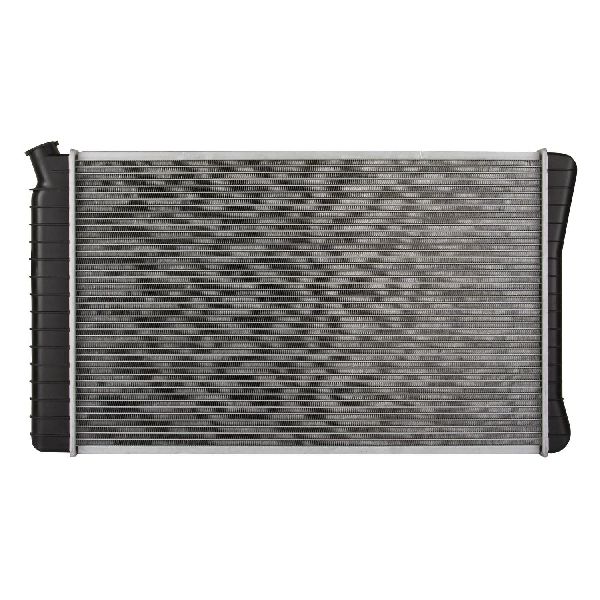
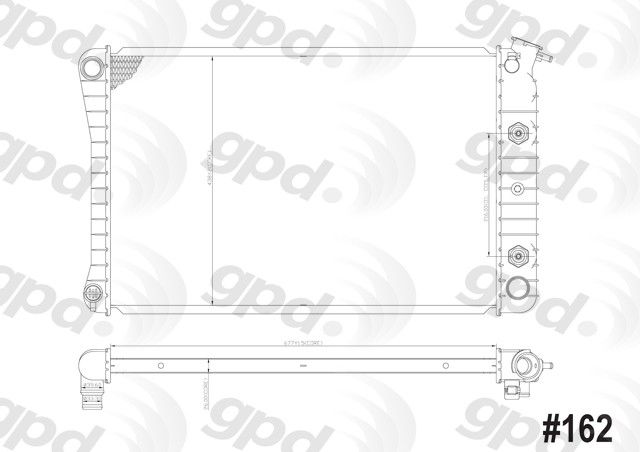
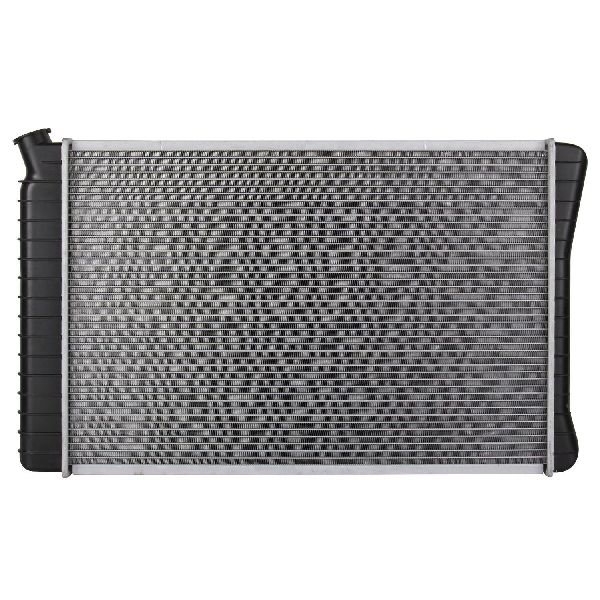
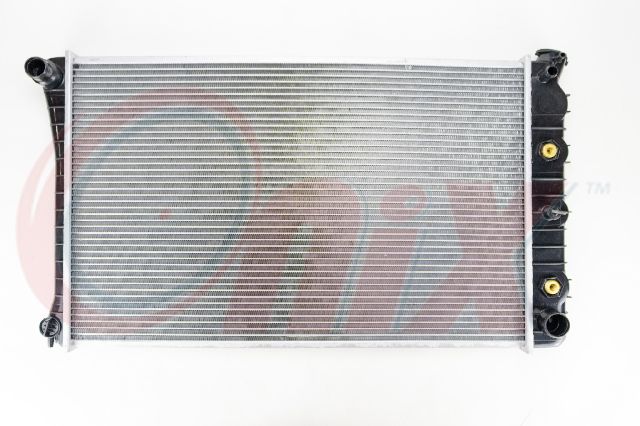
The 1978-1983 Buick Regal typically uses a cross-flow radiator with a core width around 26-1/4 inches. Inlet and outlet locations vary by engine type. Aftermarket options are available in standard 2-row configurations, as well as performance 3-row and 4-row all-aluminum designs.
We Have This Part in Stock


The information in this article is provided for general reference and educational purposes only. Vehicle specifications, procedures, and part compatibility can vary by production date, trim level, and region. Always consult your vehicle's factory service manual and verify part numbers before purchasing or performing repairs. Safety-critical components such as airbags, seat belts, and braking systems should be installed by a qualified professional.