

Steering Tie Rod End Replacement Guide for the 1978-1983 Dodge Colt
Restore tight, responsive steering in your classic Dodge Colt by understanding and replacing worn tie rod ends.
- You must verify your Colt's year and drivetrain (RWD vs. FWD) to get the correct part.
- A wheel alignment is mandatory after replacing any tie rod end to prevent tire damage and ensure safety.
- It is best practice to replace outer tie rod ends in pairs for balanced steering performance.
- Symptoms like a shaky steering wheel, clunking noises, or loose steering feel should be inspected immediately.
Symptoms of a Failing Tie Rod End
A worn tie rod end on your Dodge Colt will make its presence known through changes in steering feel and sound. Because the joint becomes loose, it can no longer hold the wheel steady. Pay attention to these common signs:
- Loose or Shaky Steering: You may feel excessive play or a dead zone in the steering wheel, where small movements don't change the car's direction. The steering can feel vague or unresponsive, especially during turns.
- Vibrations: A shaky steering wheel that gets worse as you speed up or go around a corner is a classic symptom. This is caused by the wheel wobbling due to the loose joint.
- Clunking or Popping Noises: You might hear a distinct clunk or pop from the front end when turning at low speeds, like in a parking lot, or when going over bumps. This is the sound of the worn joint moving around excessively.
- Uneven Tire Wear: Inspect your front tires. If the inside or outside edge is wearing down much faster than the rest of the tread, it's a strong indicator of a bad tie rod end that has thrown off the wheel alignment.
Common Ordering Mistakes for This Vehicle
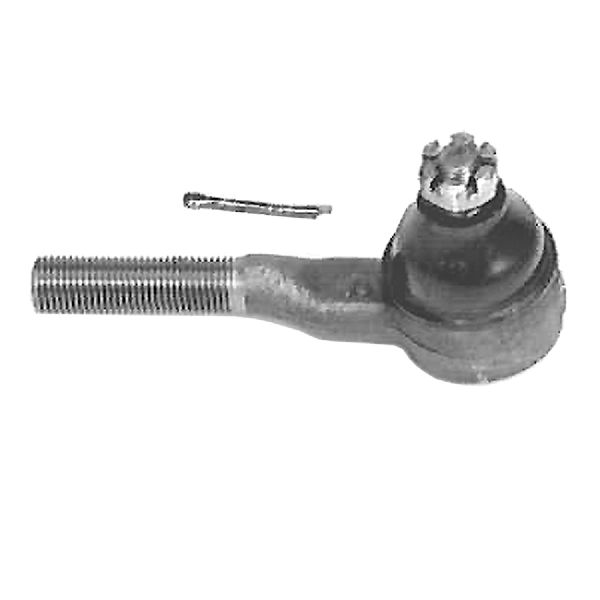
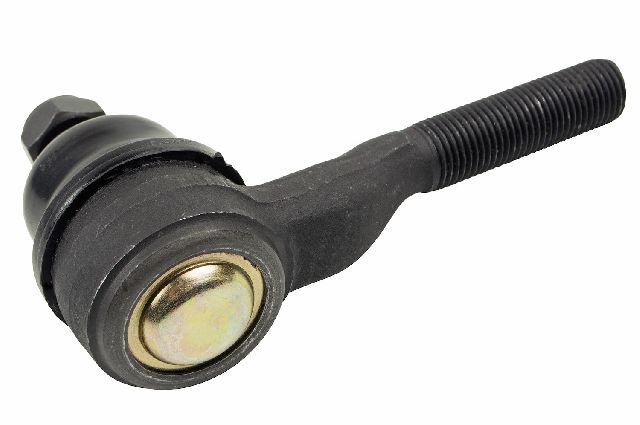
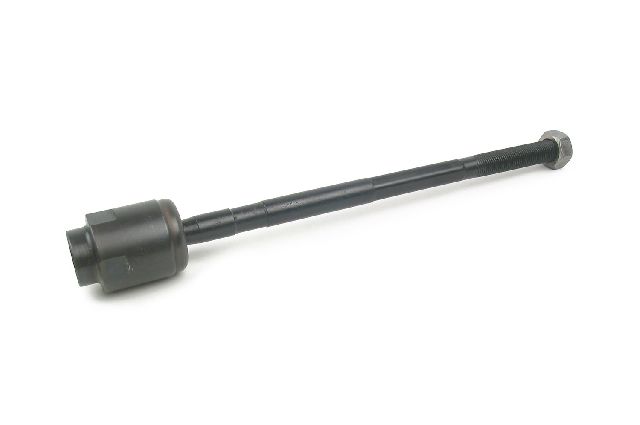
The 1978-1983 Dodge Colt was produced in both Rear-Wheel Drive (RWD) and Front-Wheel Drive (FWD) configurations, and steering parts are not interchangeable. The switch happened around 1979. Always verify your Colt's specific year and drivetrain (RWD or FWD) before ordering. Part numbers like Moog ES2198R are listed for 1978-1980 RWD models, while different parts are required for later FWD models. Also, be sure to order the correct side (driver/left or passenger/right) and position (inner or outer) if they are sold individually.
Choosing the Right Aftermarket Tie Rod End
For a vehicle from this era, finding original equipment (OEM) parts from a dealer is nearly impossible. The aftermarket is your only realistic source. Modern aftermarket parts often meet or exceed the quality of the original parts from the 1970s and 80s. Your choice comes down to balancing price, durability, and brand reputation.
Brand Quality Tiers
- Premium (e.g., Delphi): Brands like Delphi are often original equipment suppliers to major automakers. Their aftermarket parts are known for high quality and engineering that meets or exceeds OE standards. They are a dependable choice for longevity and performance, typically at a higher price point.
- Standard / Value (e.g., Dorman, Mevotech): Dorman offers a huge range of parts and is a cost-effective option for a daily driver. Mevotech is another brand that balances affordability and quality, with some users having good experiences, especially with their higher-tier "Supreme" or "TTX" lines which may feature improvements like grease fittings. While general user reviews for these brands can be mixed, they are popular and widely available choices.
Pro Tip: Some aftermarket tie rod ends are greasable, meaning they have a zerk fitting that allows you to add fresh grease periodically. Non-greasable, or sealed, units are maintenance-free. For a classic car that may not be driven daily, a greasable joint can offer a longer service life if maintained properly.
Estimated Costs for Replacement
Replacing a tie rod end is a common repair. The part itself is inexpensive, but you must factor in the cost of labor and the essential wheel alignment that follows.
| Item | Estimated Cost |
|---|---|
| New Aftermarket Tie Rod End (Single) | $6.45 - $44.25 |
| Shop Labor (Per Side) | $100 - $200 |
| Wheel Alignment (Required) | $80 - $150 |
| Total Estimated Cost (One Side) | $186 - $395 |
Frequently Asked Questions (FAQ)
Do I need a wheel alignment after replacing a tie rod end?
Yes, absolutely. Replacing a tie rod end will always change the toe angle of your wheel alignment. Skipping the alignment will cause poor handling and rapid, uneven tire wear. A shop should set the alignment to the factory's preferred settings.
Should I replace tie rod ends in pairs?
It is highly recommended. If the tie rod end on one side has failed due to age and wear, the other side is likely not far behind. Replacing them in pairs ensures balanced steering and saves you the cost of a second alignment down the road.
Is this a difficult DIY job?
For a DIY mechanic with the right tools, it's manageable. You will need a jack and jack stands, a good socket set, and a special tool called a tie rod end puller or pickle fork to separate the joint from the steering knuckle. The hardest part is often breaking the old, rusted parts free. Remember, a wheel alignment is still required afterward.
Were there any recalls for the 1978-1983 Dodge Colt steering?
Searches of the National Highway Traffic Safety Administration (NHTSA) database and other sources did not find any steering-related recalls or technical service bulletins (TSBs) specific to the 1978-1983 Dodge Colt. Any issues found today are related to the age and wear of the components.
Technical Specifications
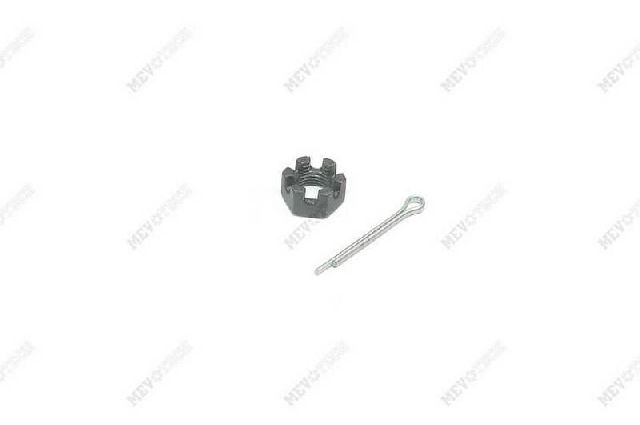
Fitment varies significantly between Rear-Wheel Drive (RWD) and Front-Wheel Drive (FWD) models. Example part numbers for RWD models include Moog ES2198R and Dorman 532-415. Always confirm the part number against your specific vehicle's year and model before purchasing.
We Have This Part in Stock
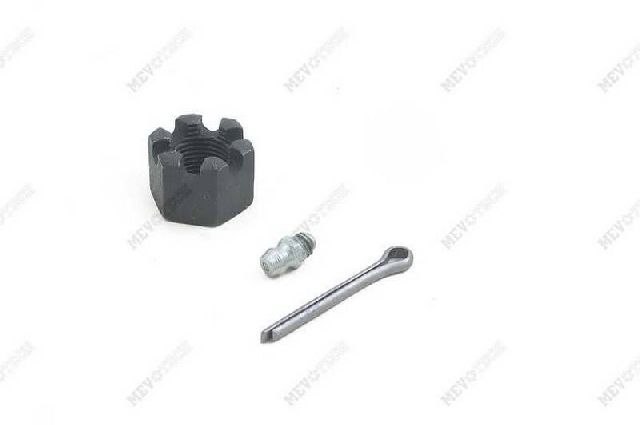
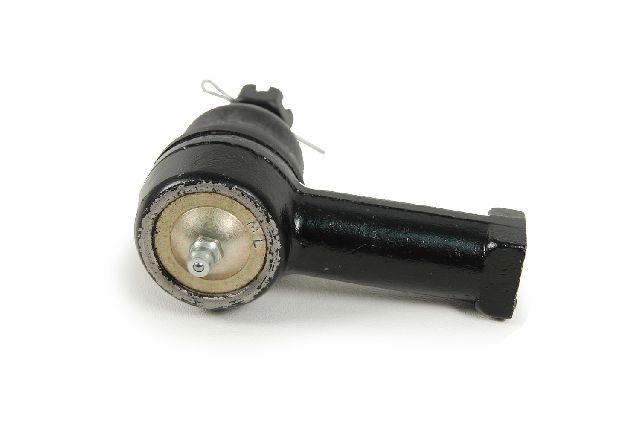

The information in this article is provided for general reference and educational purposes only. Vehicle specifications, procedures, and part compatibility can vary by production date, trim level, and region. Always consult your vehicle's factory service manual and verify part numbers before purchasing or performing repairs. Safety-critical components such as airbags, seat belts, and braking systems should be installed by a qualified professional.